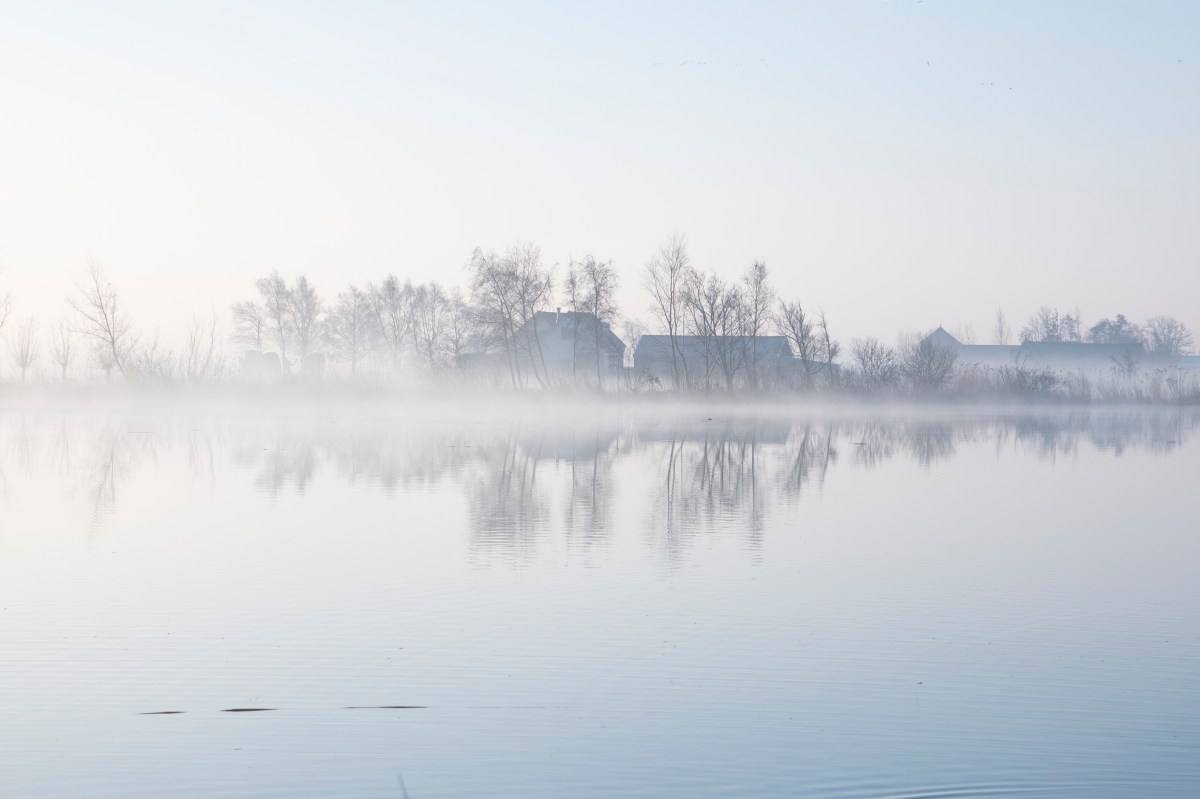
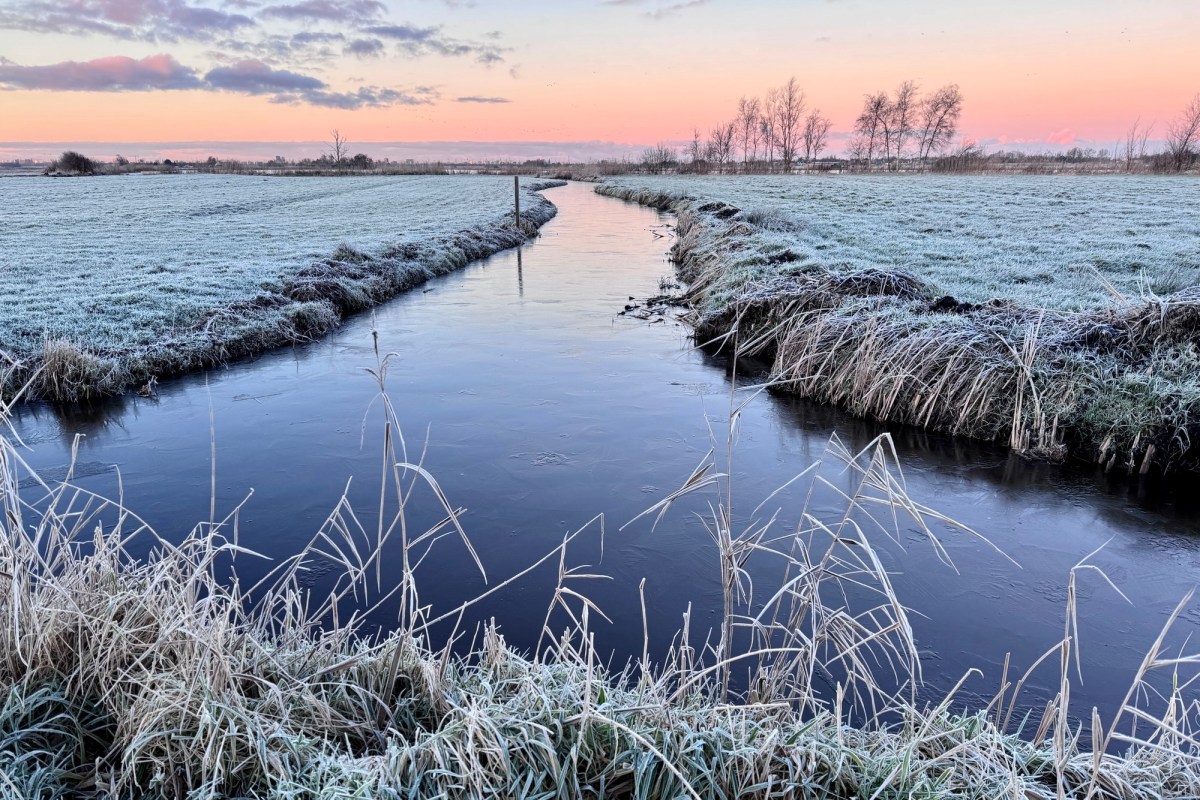
Finally had time to edit some photos I made two weeks ago when it was very cold and a blanket of mist lay over the water and fields. Beautiful!
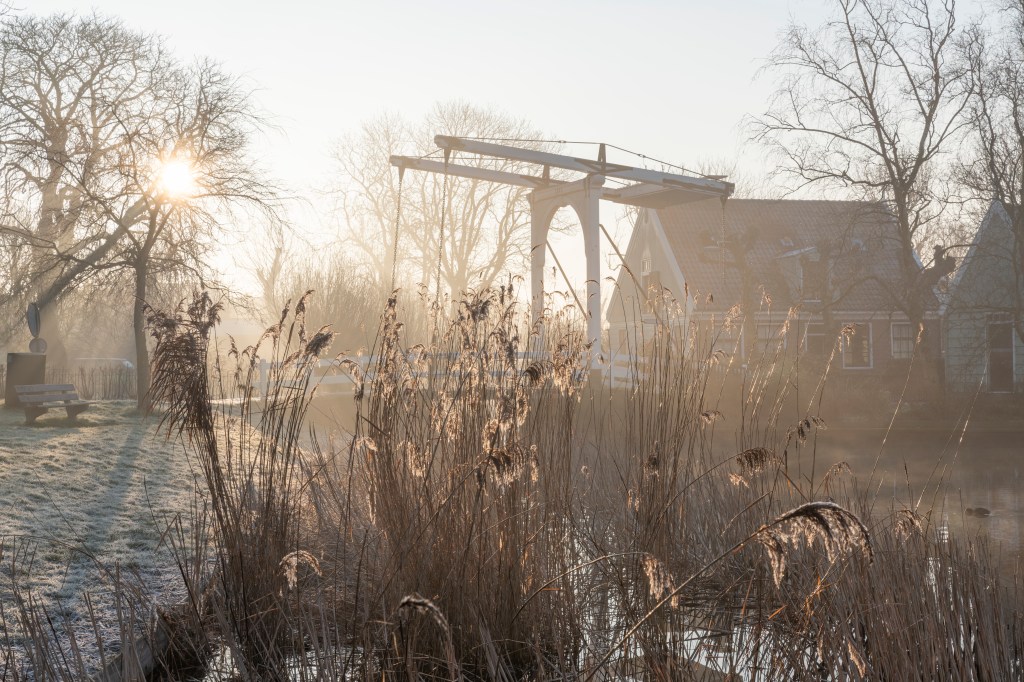
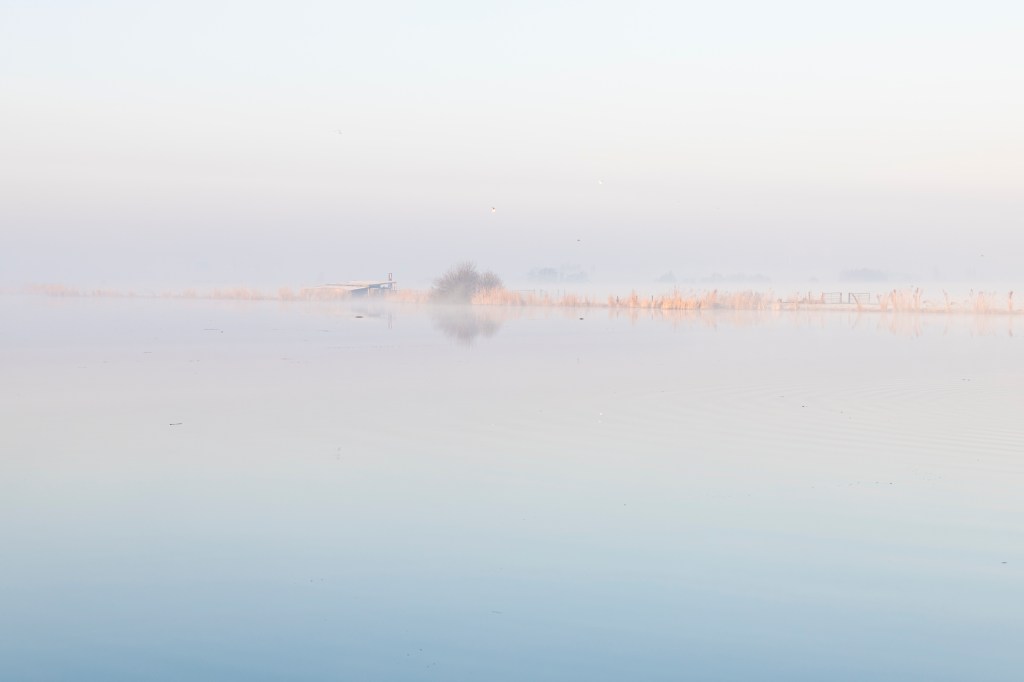
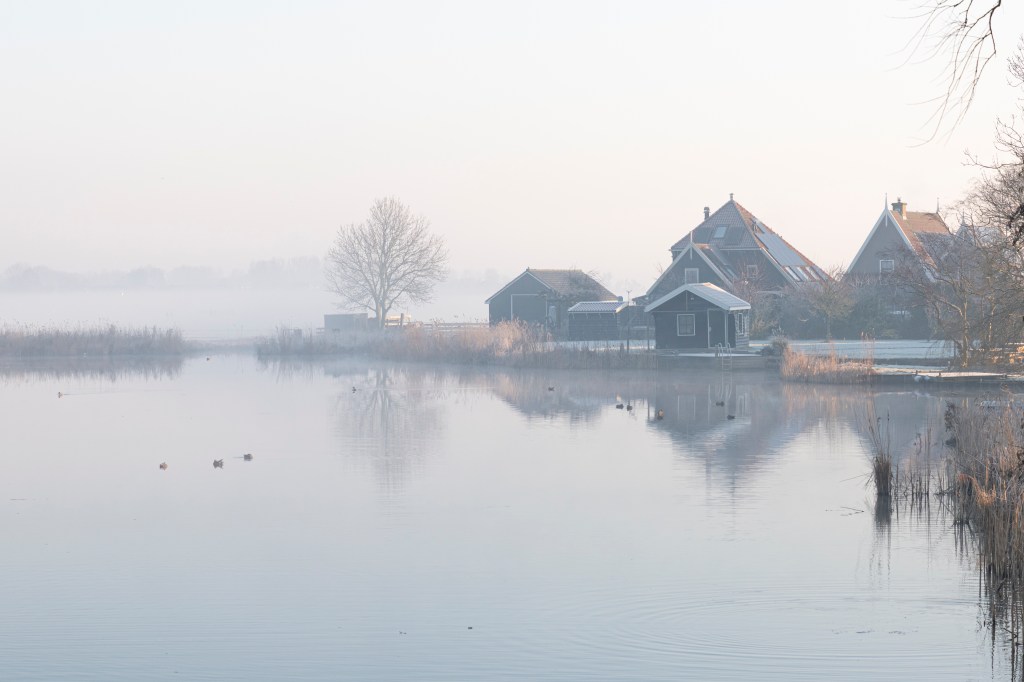

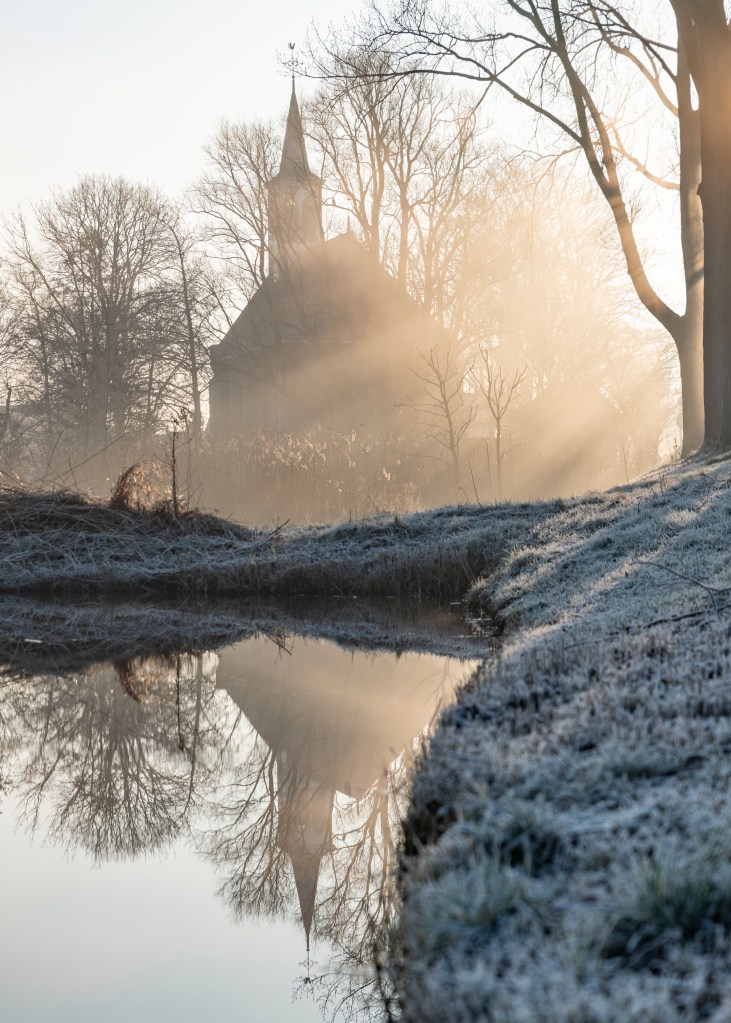
Finally had time to edit some photos I made two weeks ago when it was very cold and a blanket of mist lay over the water and fields. Beautiful!
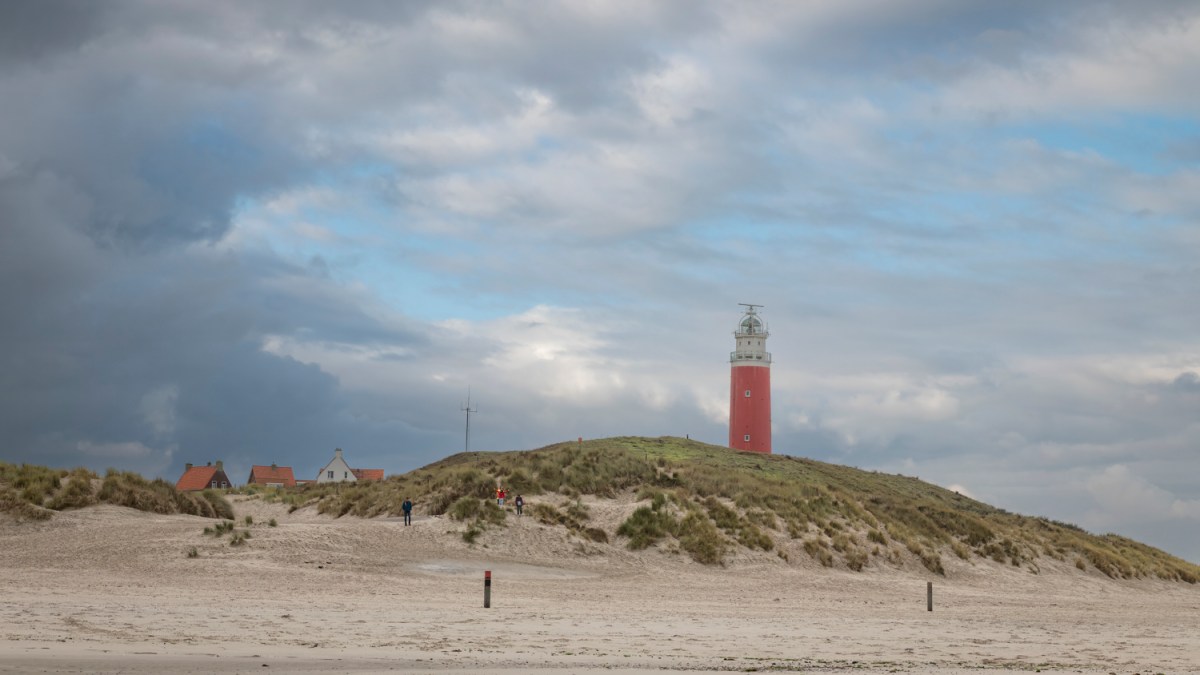
In October last year (you see I’m a bit behind with my photo editing…), we visited the island of Texel off the coast of North Holland. We planned to hike the first two stages of the Noord Hollandpad – a trail that winds through the whole province.
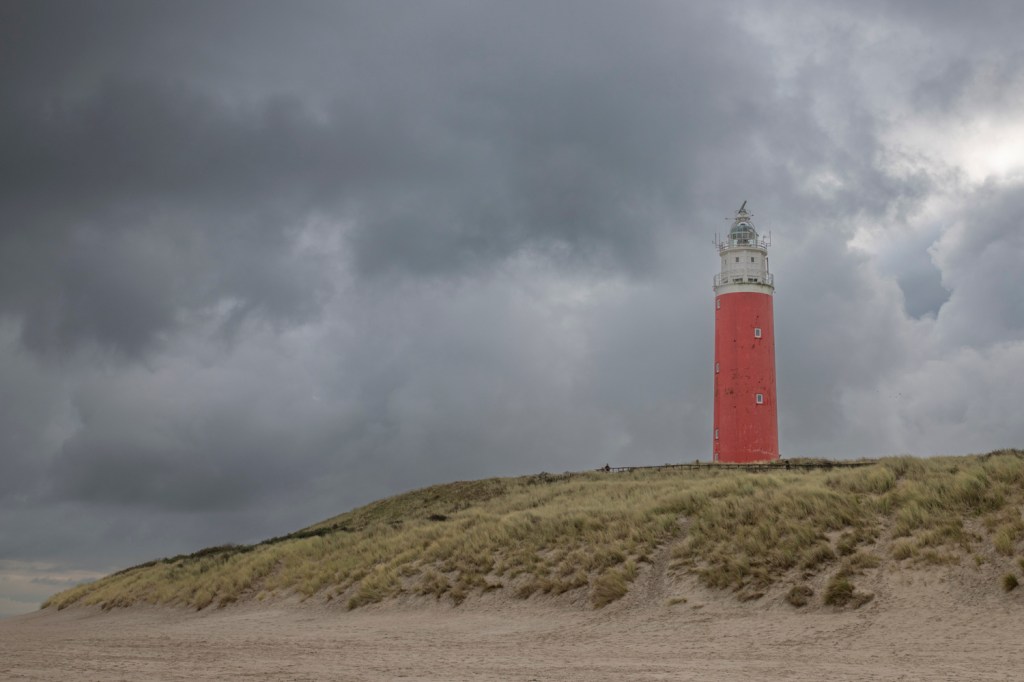
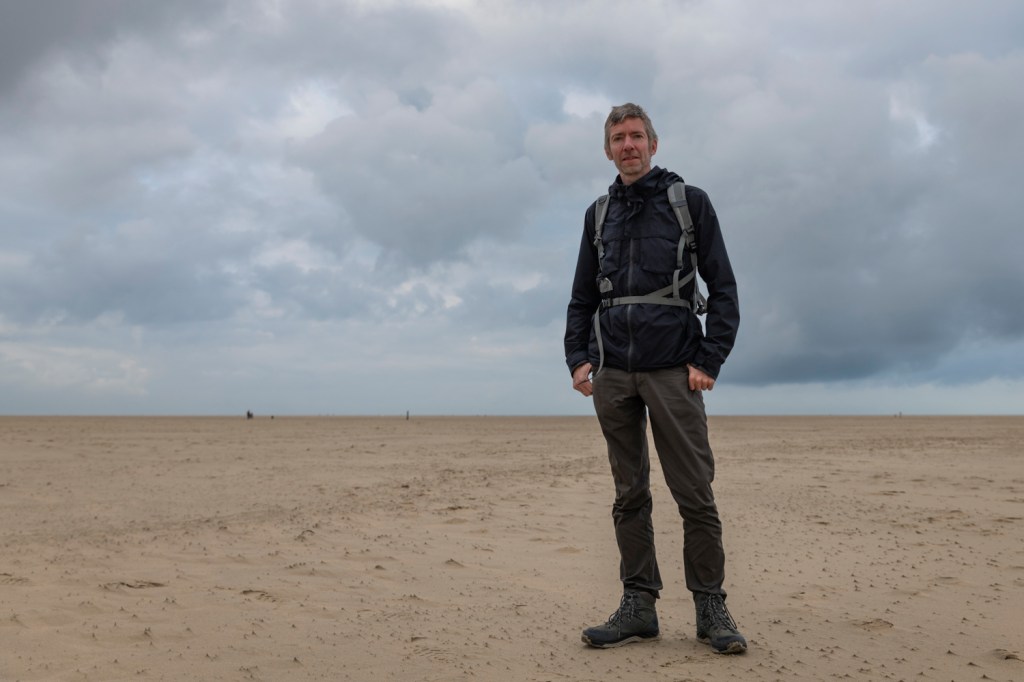
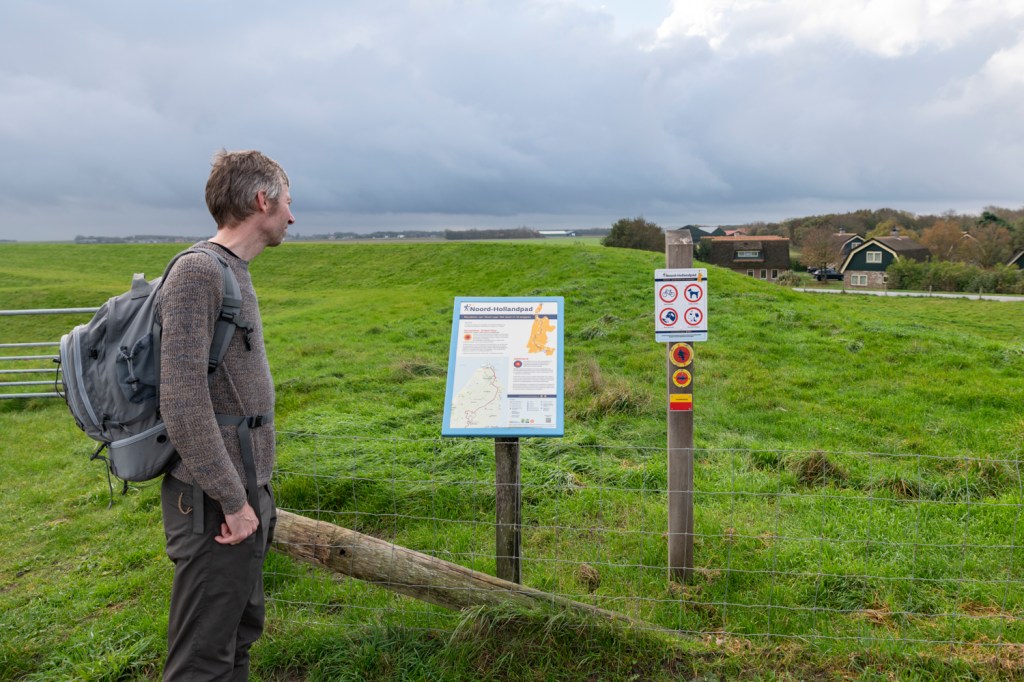
The first stage starts near the dunes and moves inland to the village of De Waal in the island’s center. It seemed a pity to be on an island and not see the sea, so we detoured to include the lighthouse and the beach. That of course meant that the already long stage became even longer…
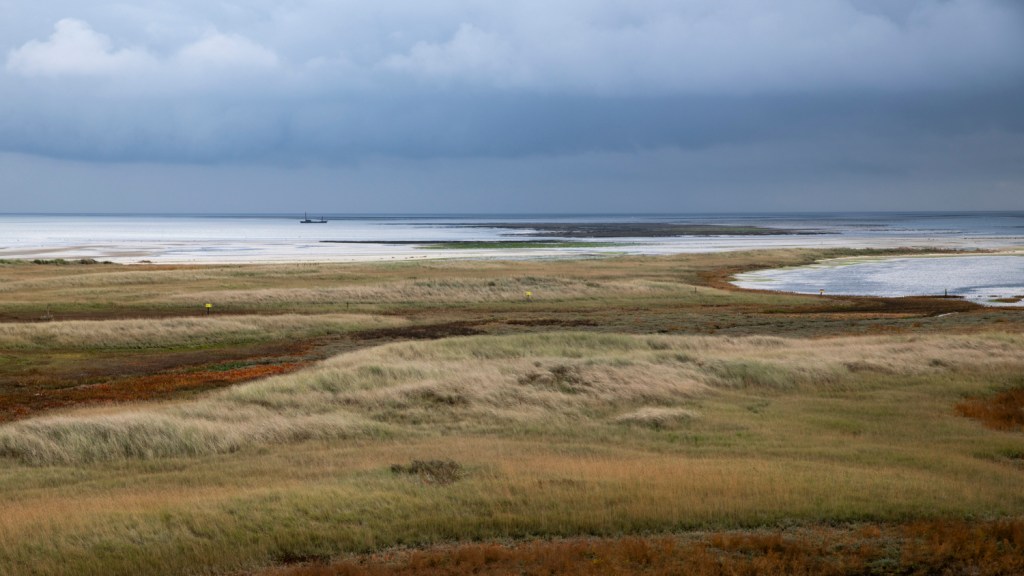
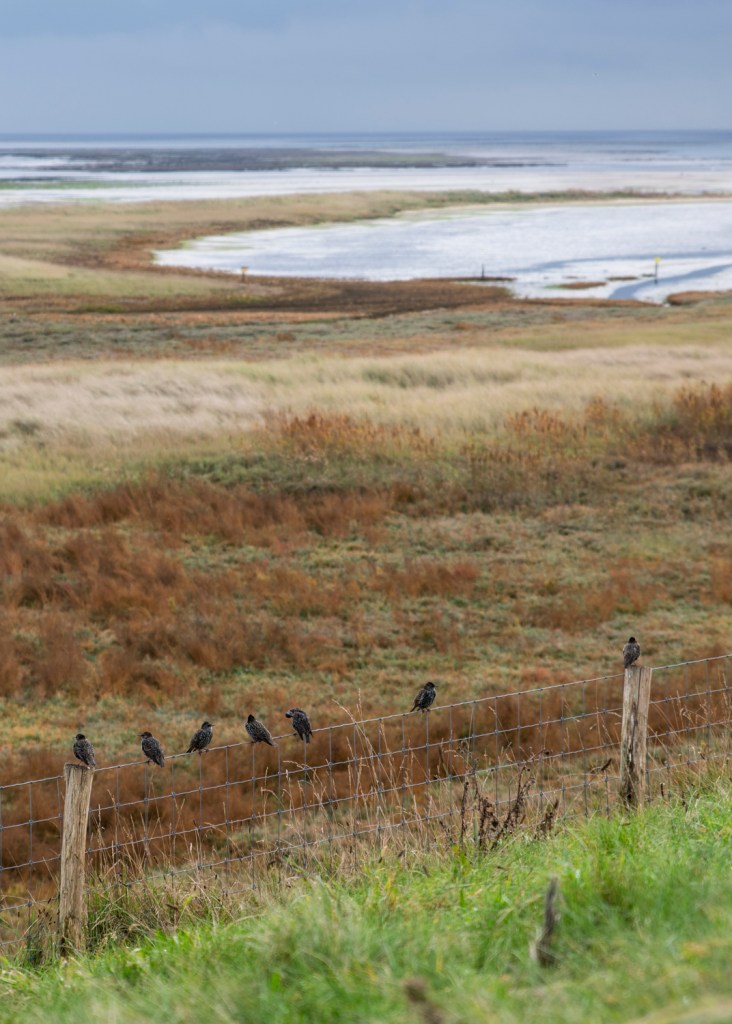
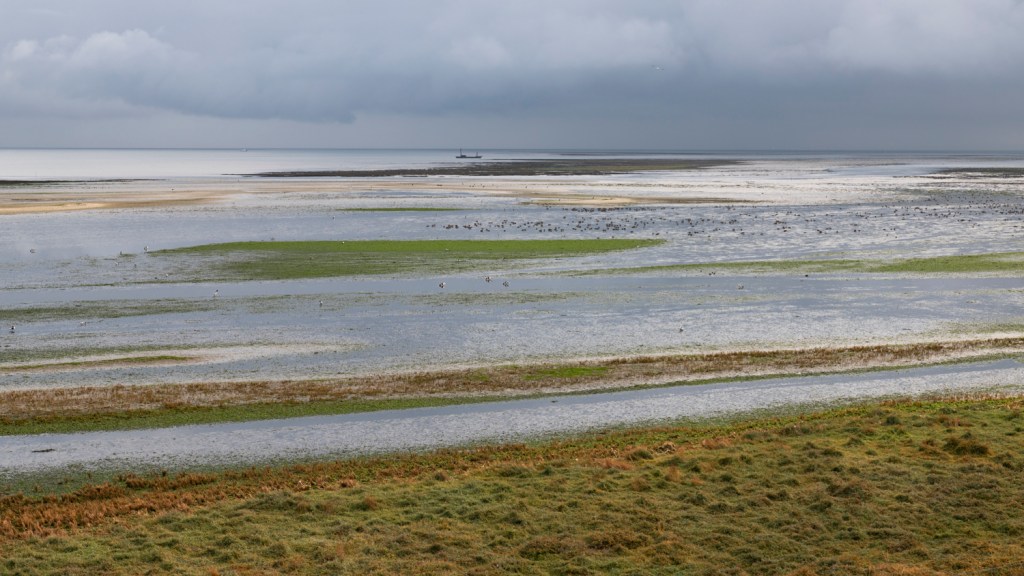
Touring the inland of an island may be interesting when you are already familiar with all the things that make an island special, but I wouldn’t recommend it if you are new to the place, as we were. After kilometers and kilometers of dikes full of sheep (and what sheep leave behind), we were done with the trail (or trial), after a total of 24 km.
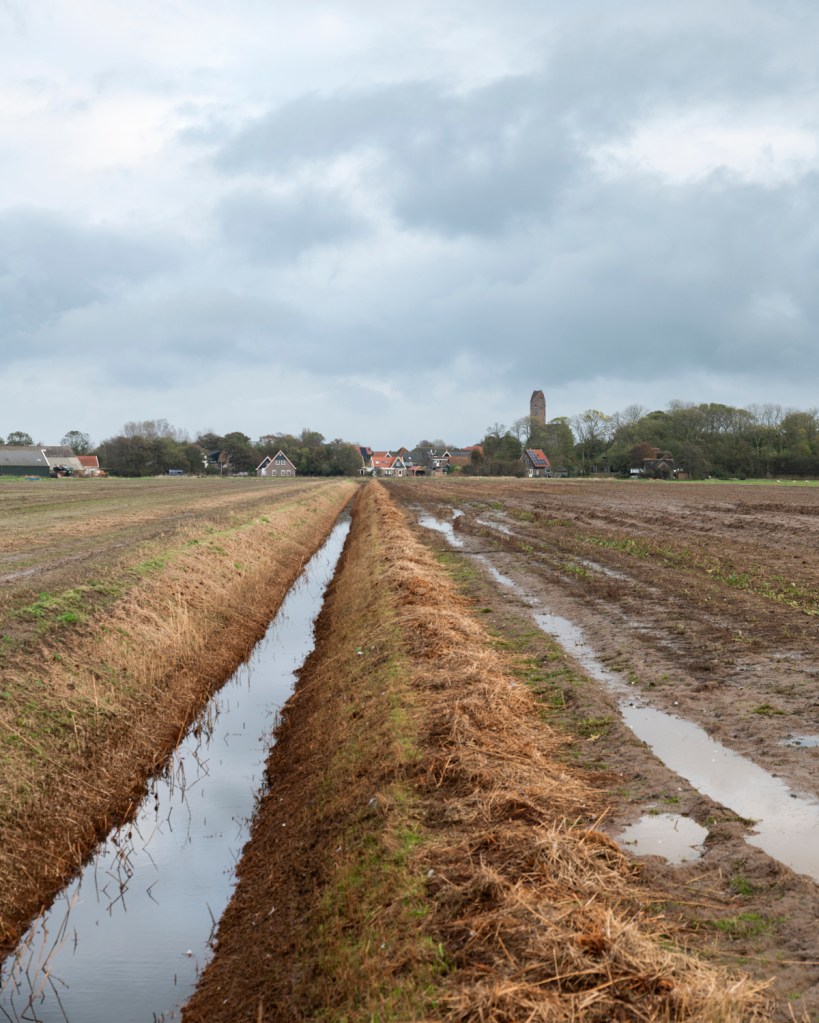
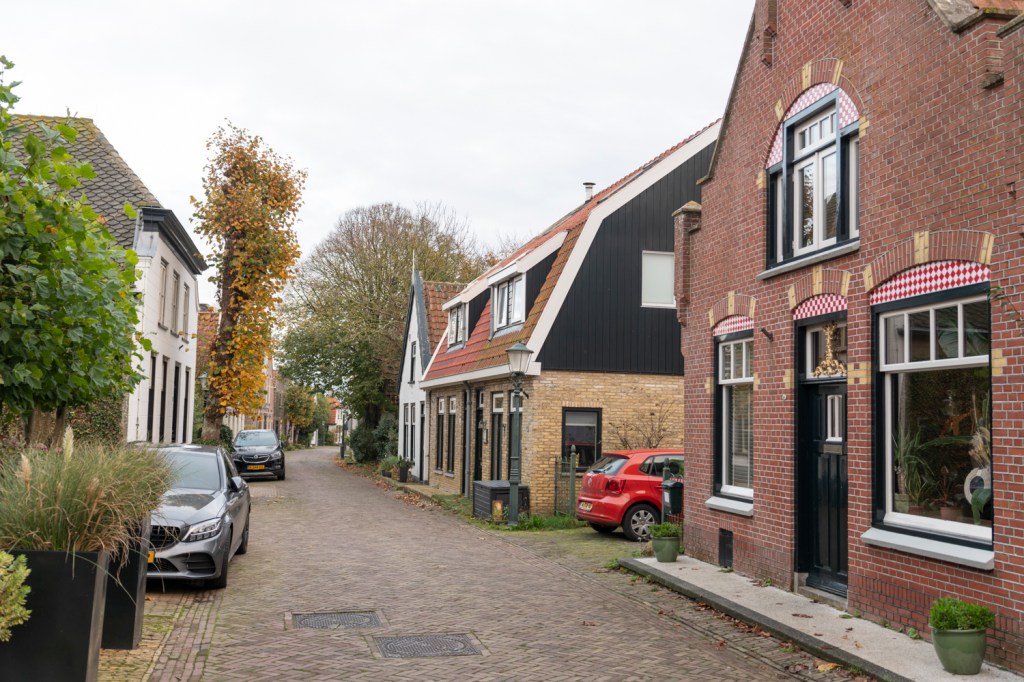
The next day my hip was so painful that we quit after 8 kilometers in the lovely town of Oudeschild. The museum and the lunchroom opposite the road were great to spend some time, and it was easy to arrange a taxi/bus to bring us back to the ferry.
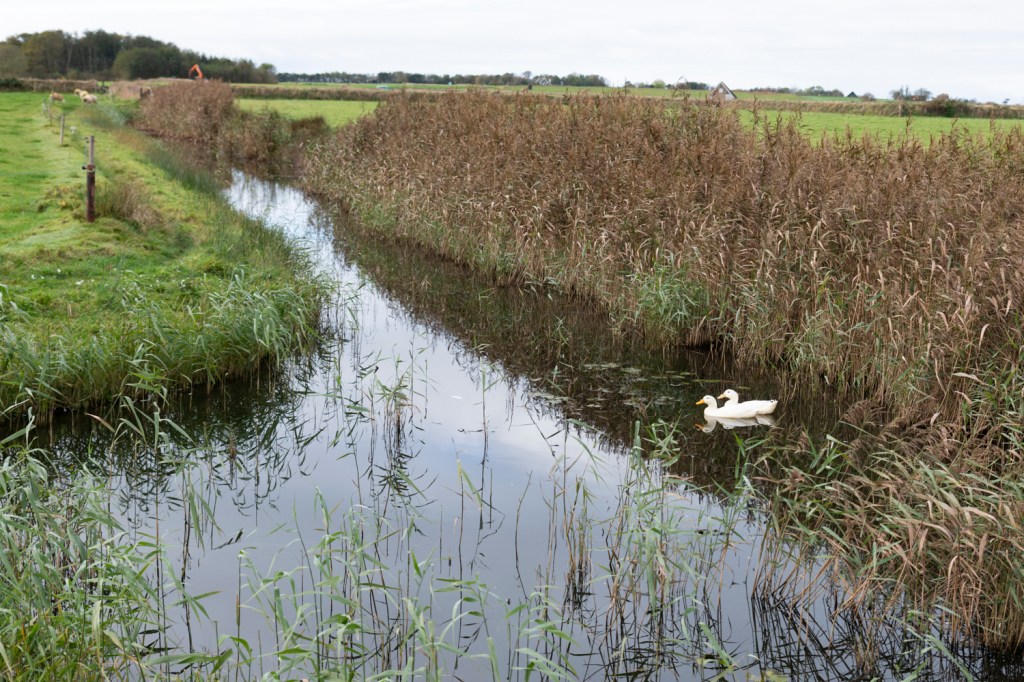
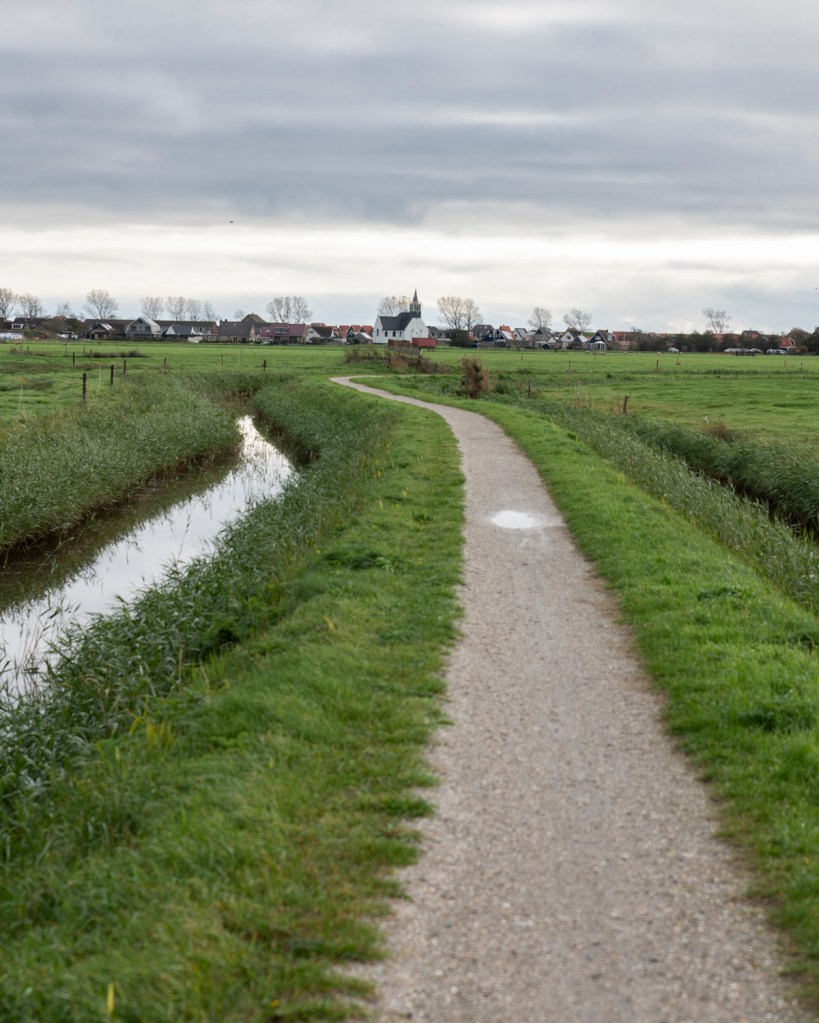
Not quite the holiday we had hoped for but we had a good time!
We’ve lived here four months now, so it’s still a time of firsts. First storm, first Christmas, and now the first really frosty morning. And oh how beautiful it is!

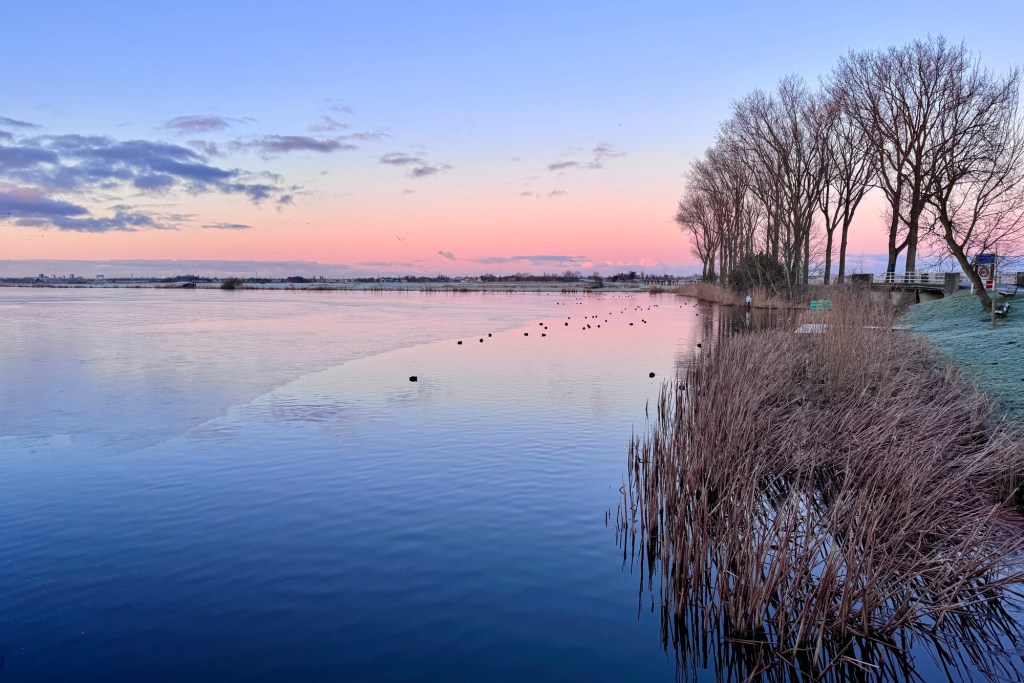
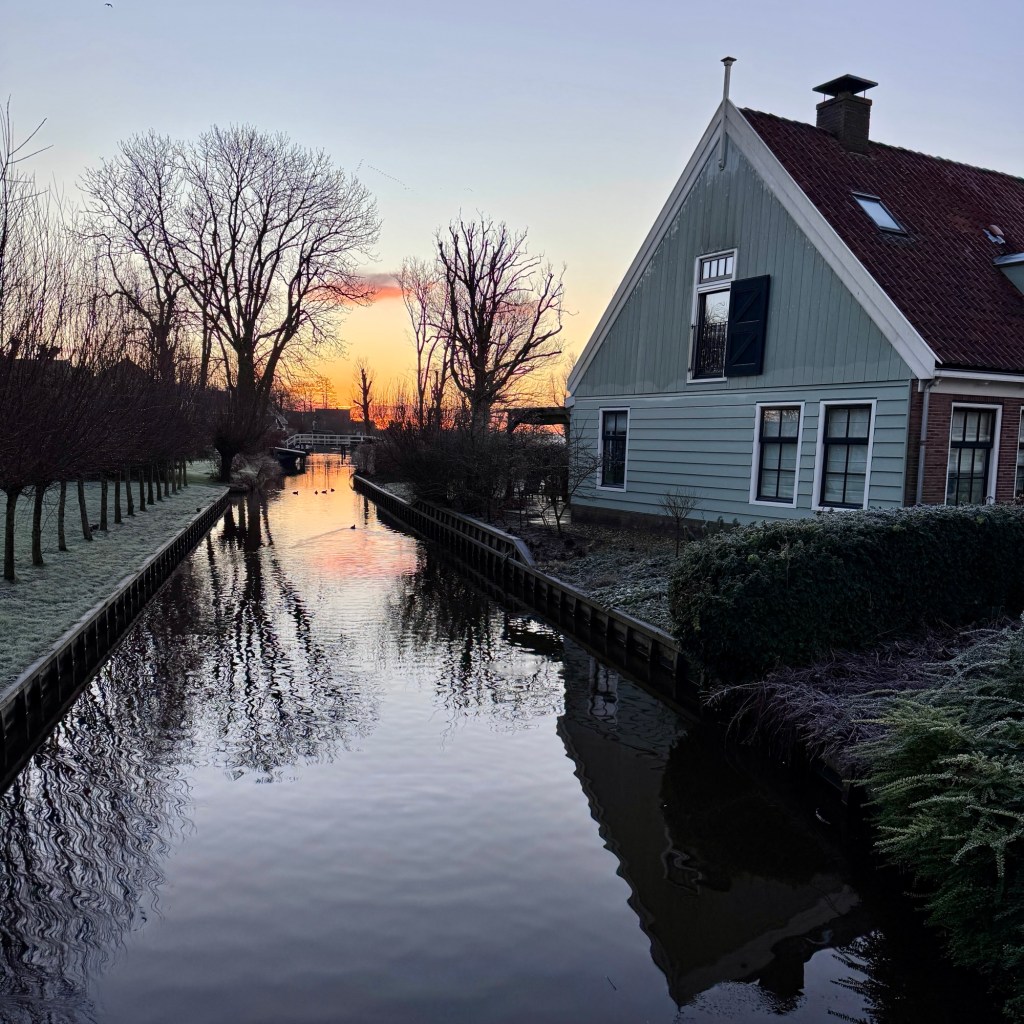
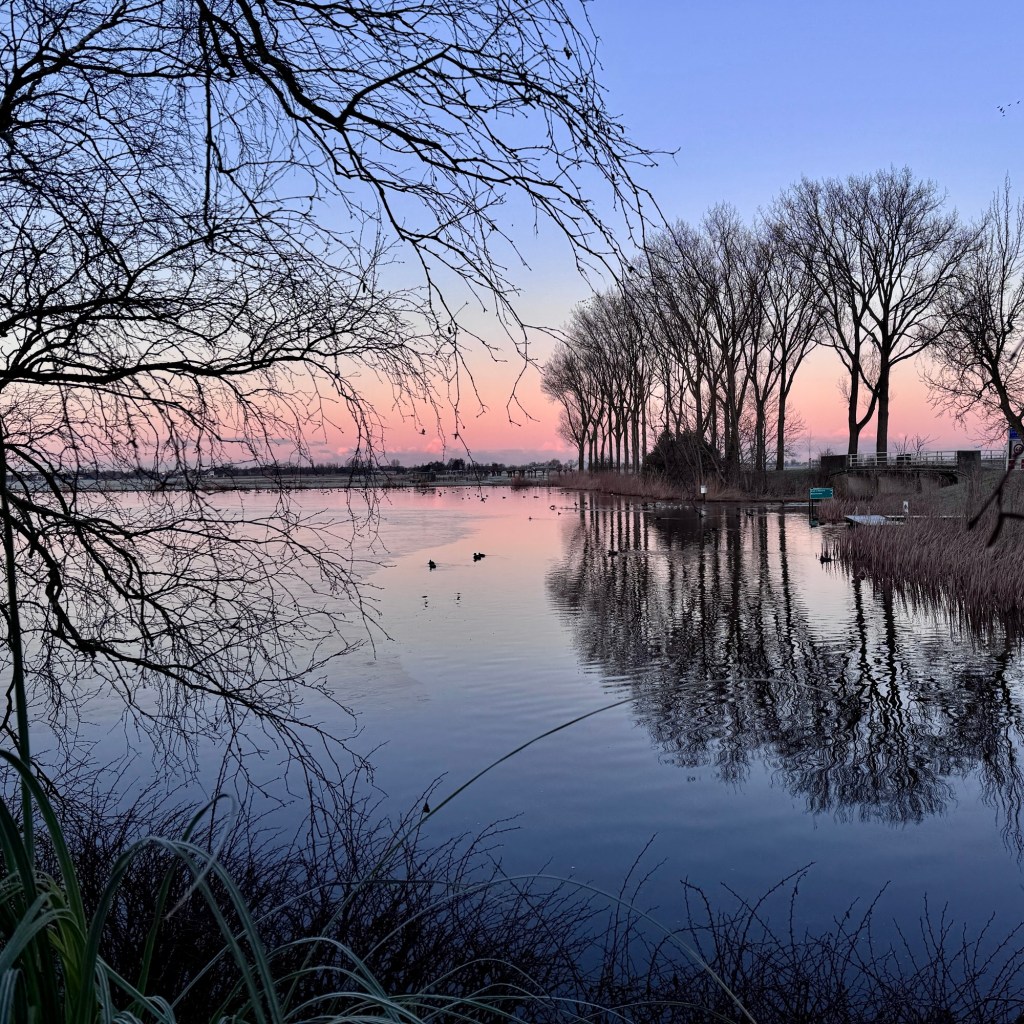
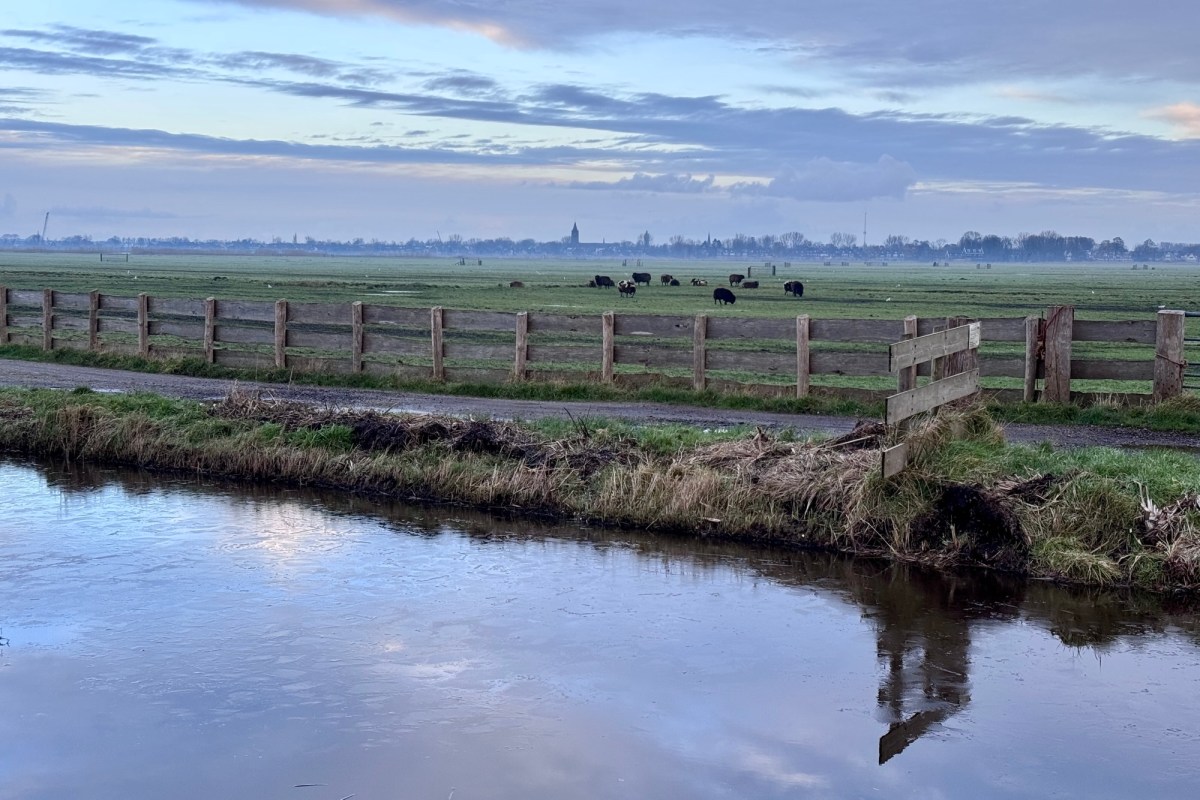
Blue Monday – officially peak time for the winter blues – is in 10 days from now, but today the countryside seemed to really feel blue.
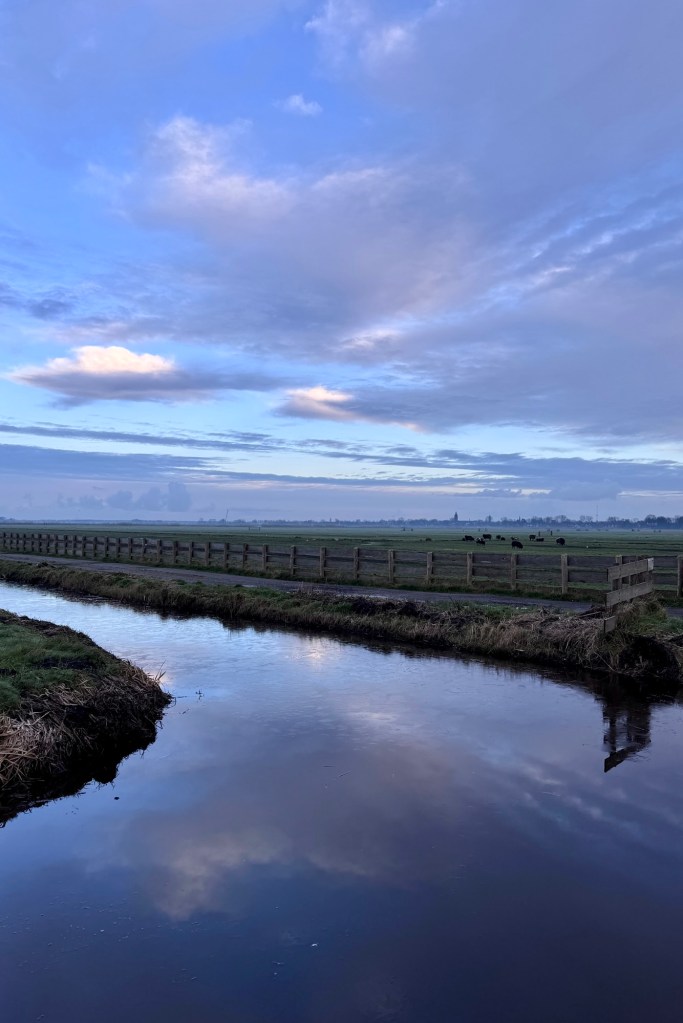
I’ve spent the new year mostly in bed and on the couch with the flu. Today I felt better and a dusting of snow invited me outside. So nice!

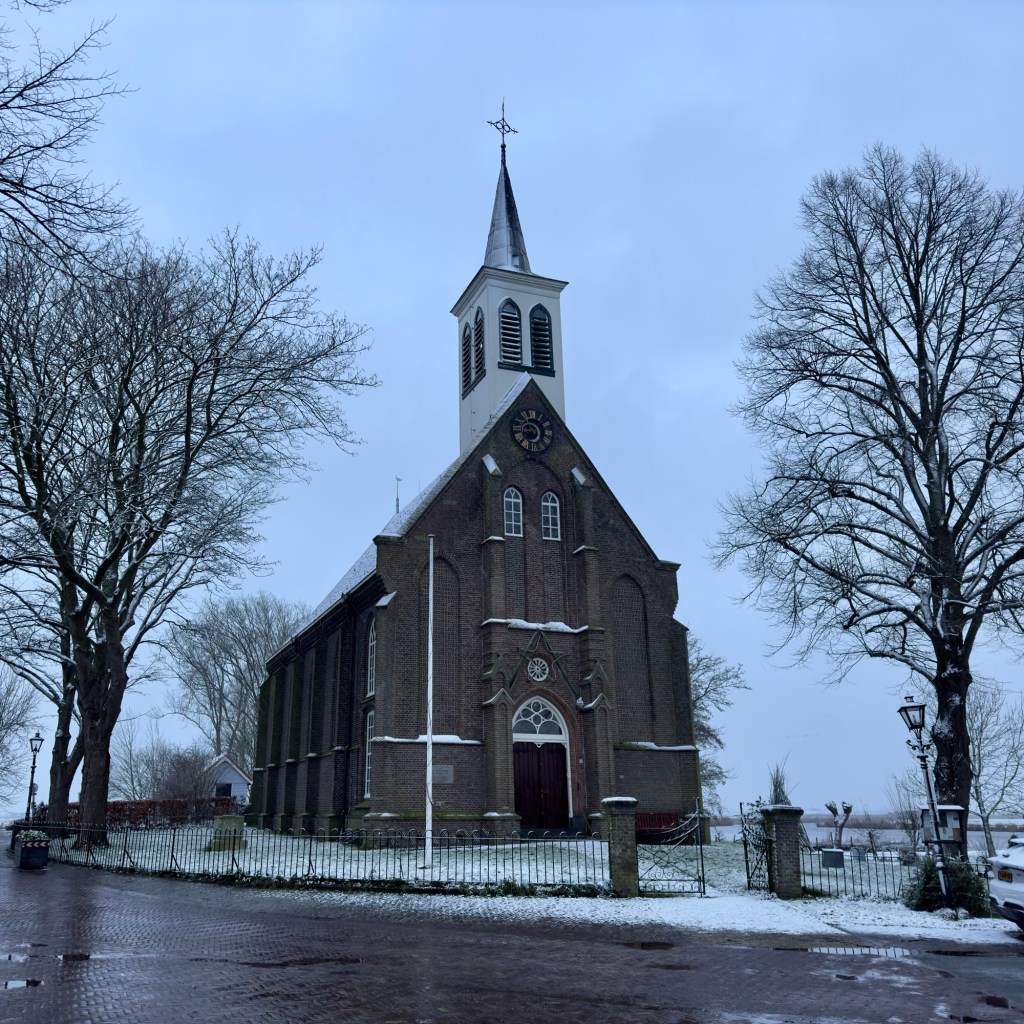
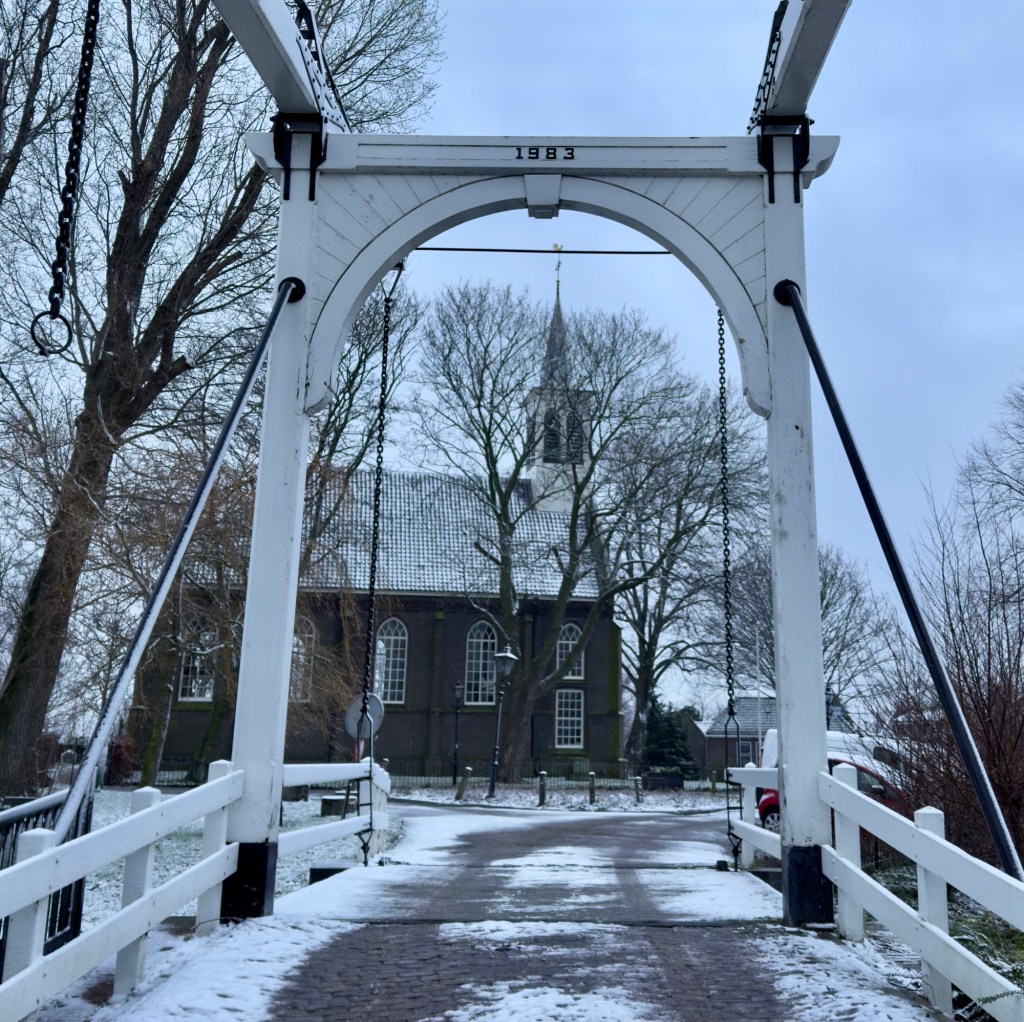
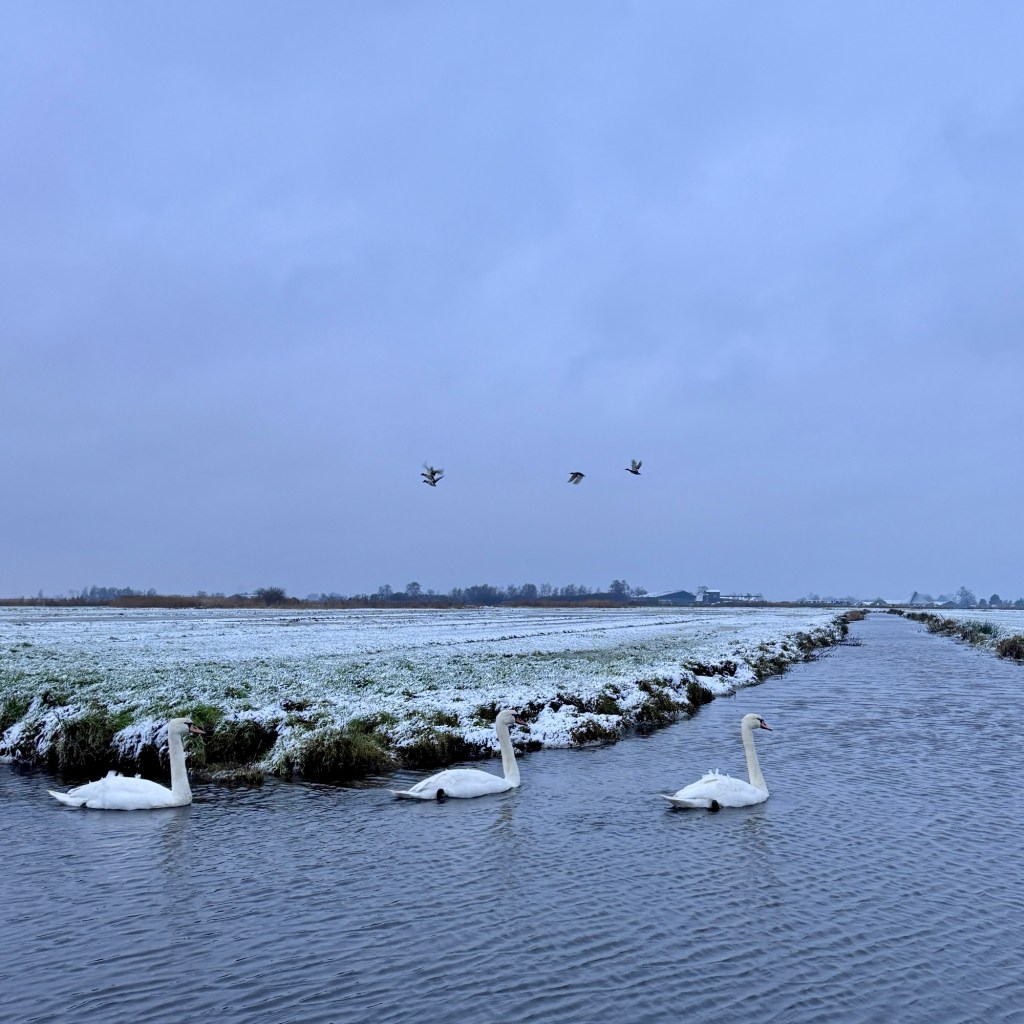

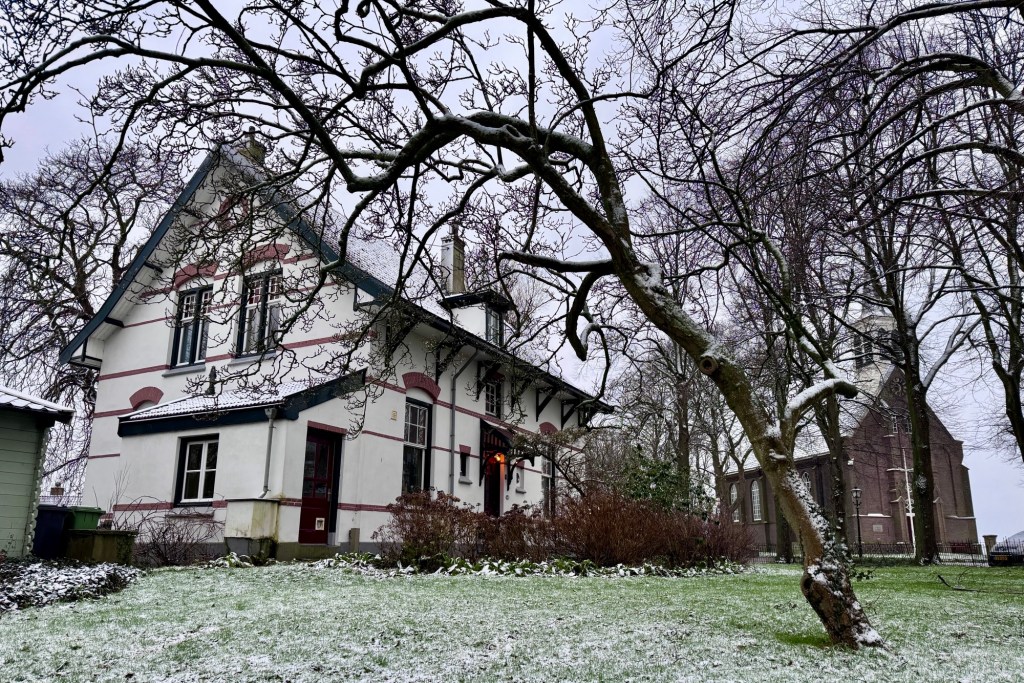
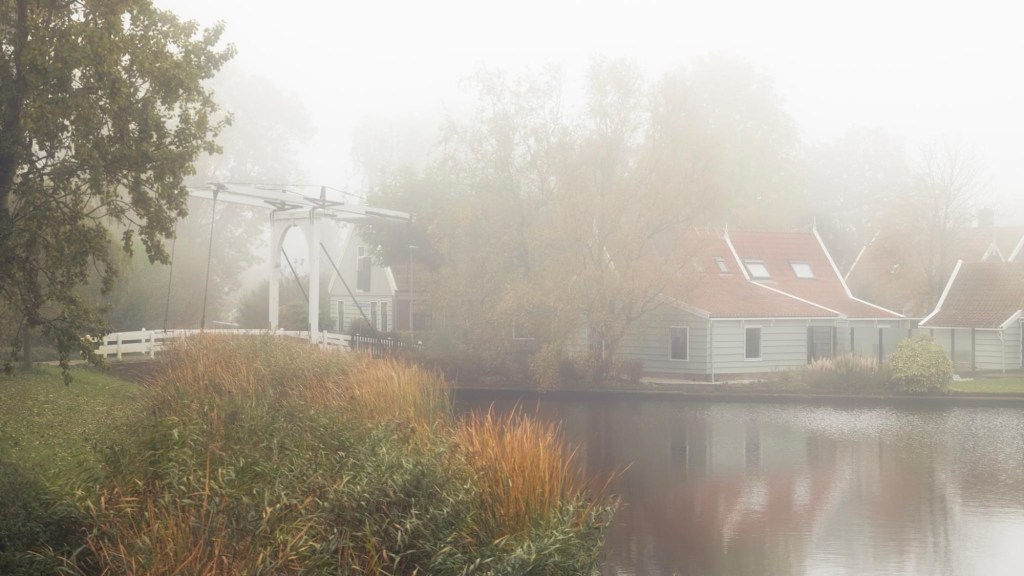
I’ve been settling in in our new house. Gone are the forests of the Nijmegen region, but this area has real beauty too. I still needed a misty morning to get out with my camera – old habits die hard!

As we start the preparations for our move to the Amsterdam region, we also are thinking about what we will miss once we leave. So we’ve started a bucket list of things to do while we are still around. Number one for me was a visit to my favorite forest pool on the St Jansberg in Plasmolen. It never disappoints!
Other items on the list:
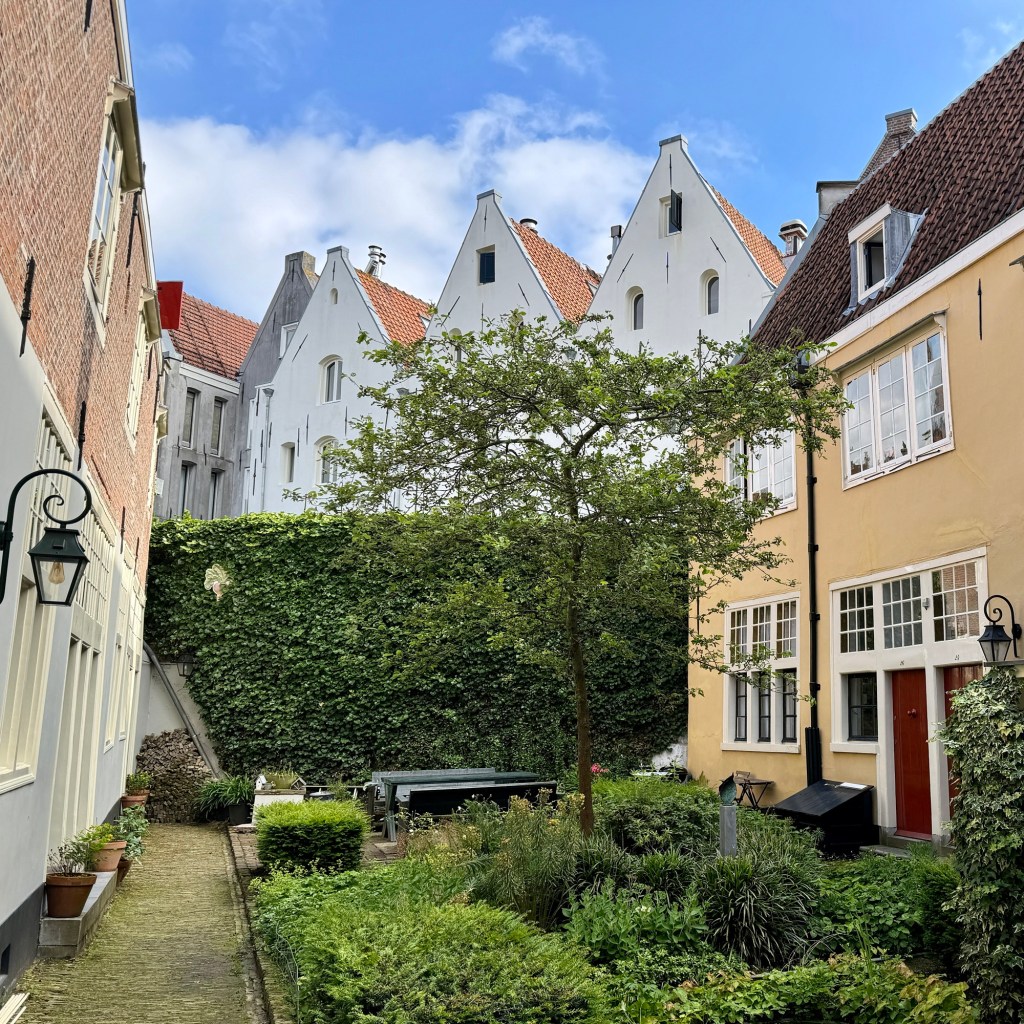
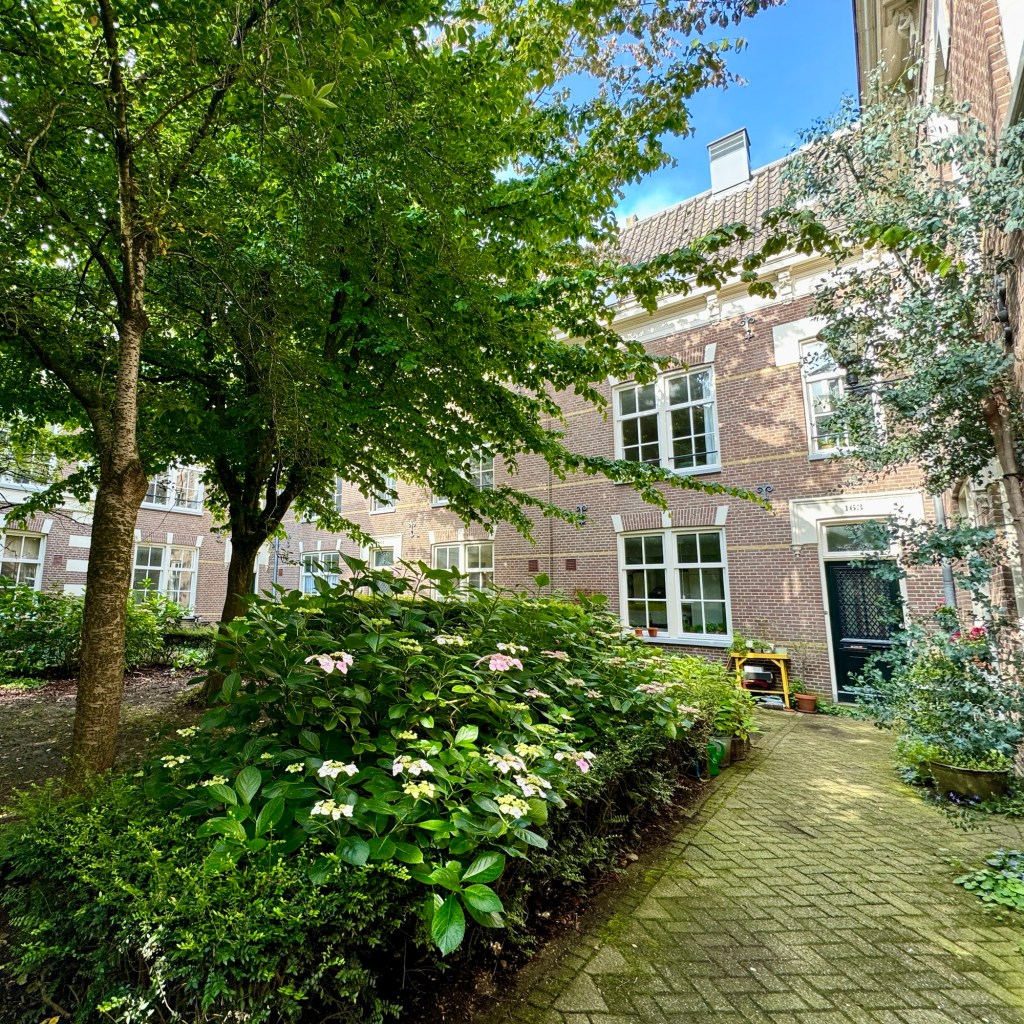
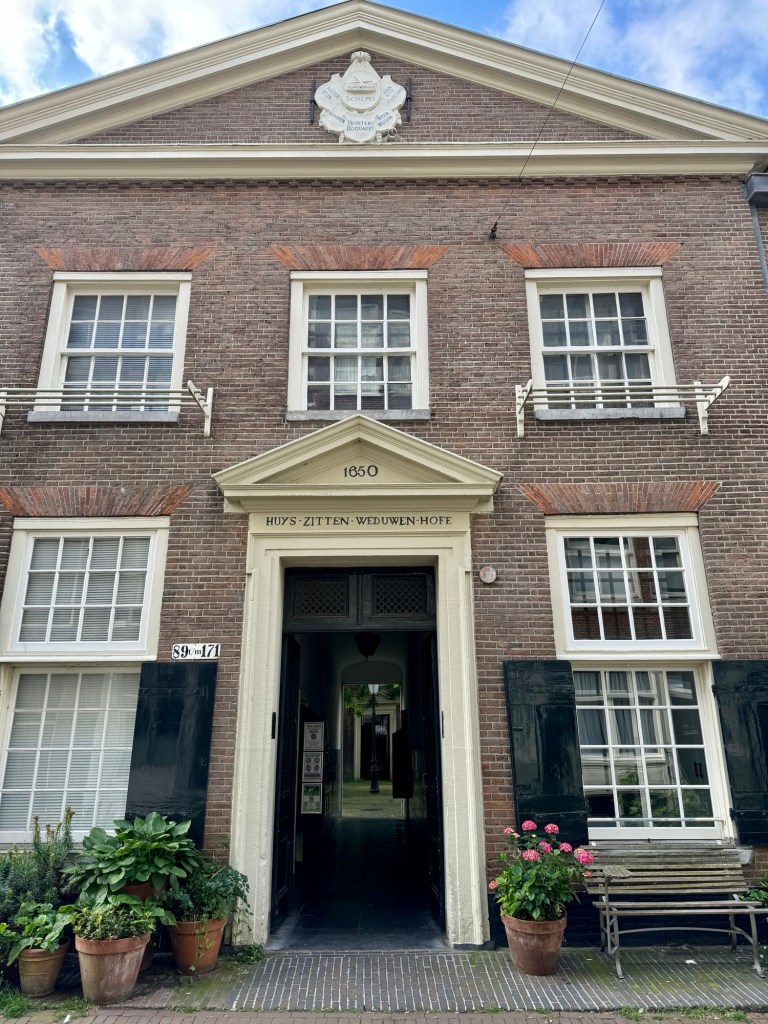
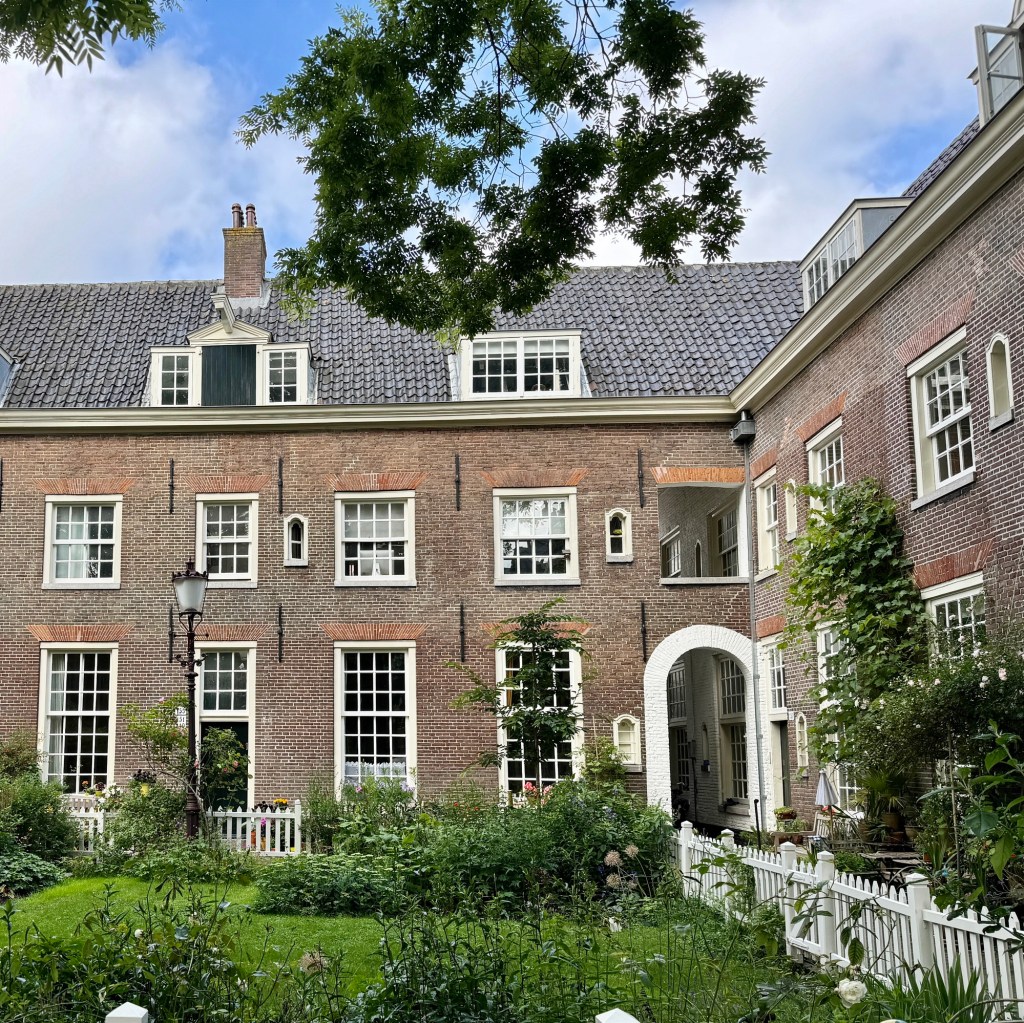
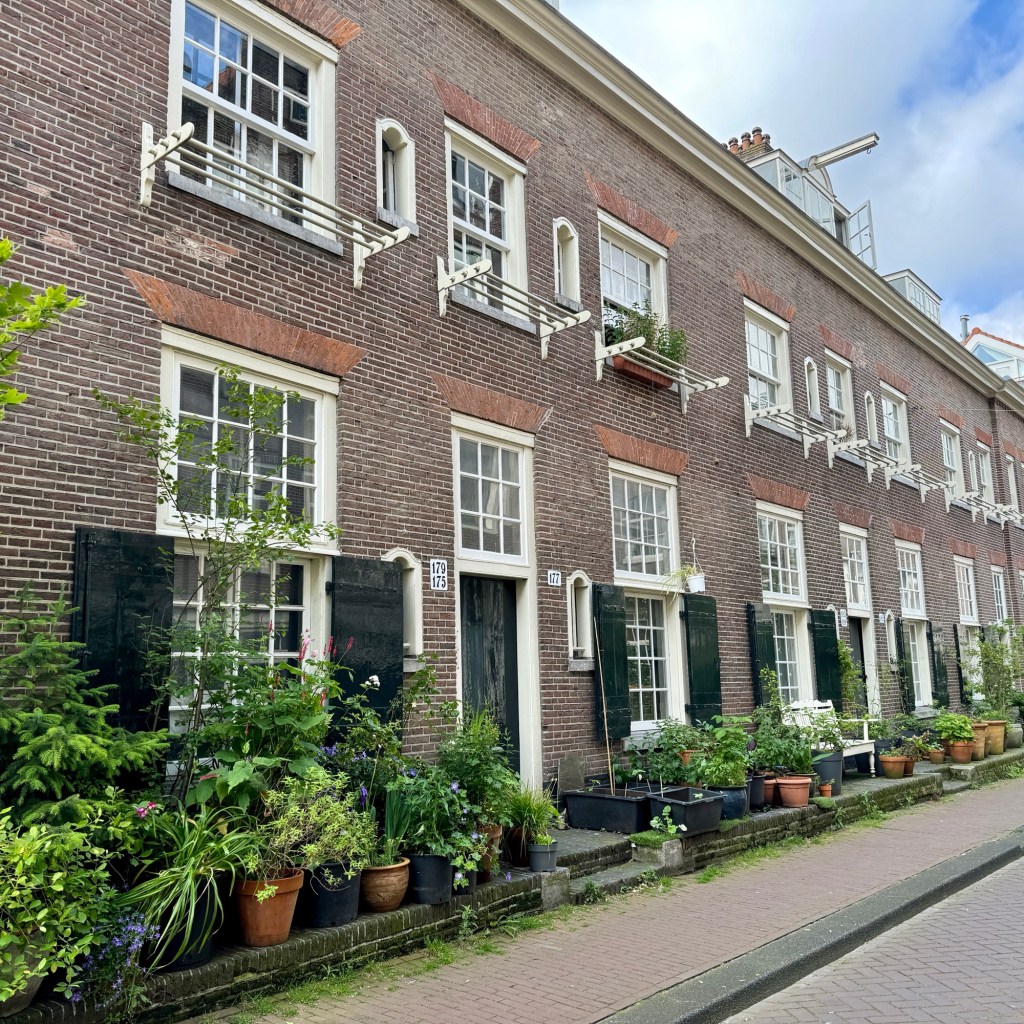
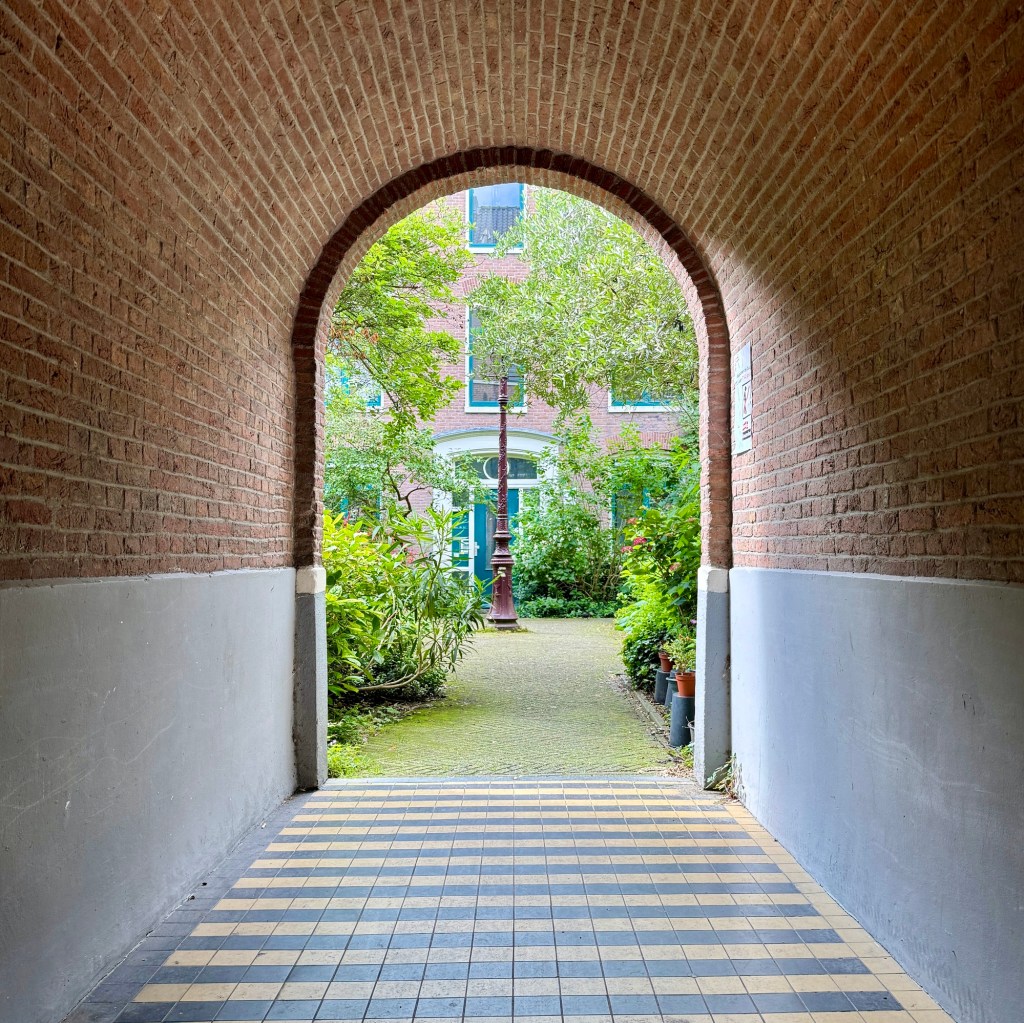
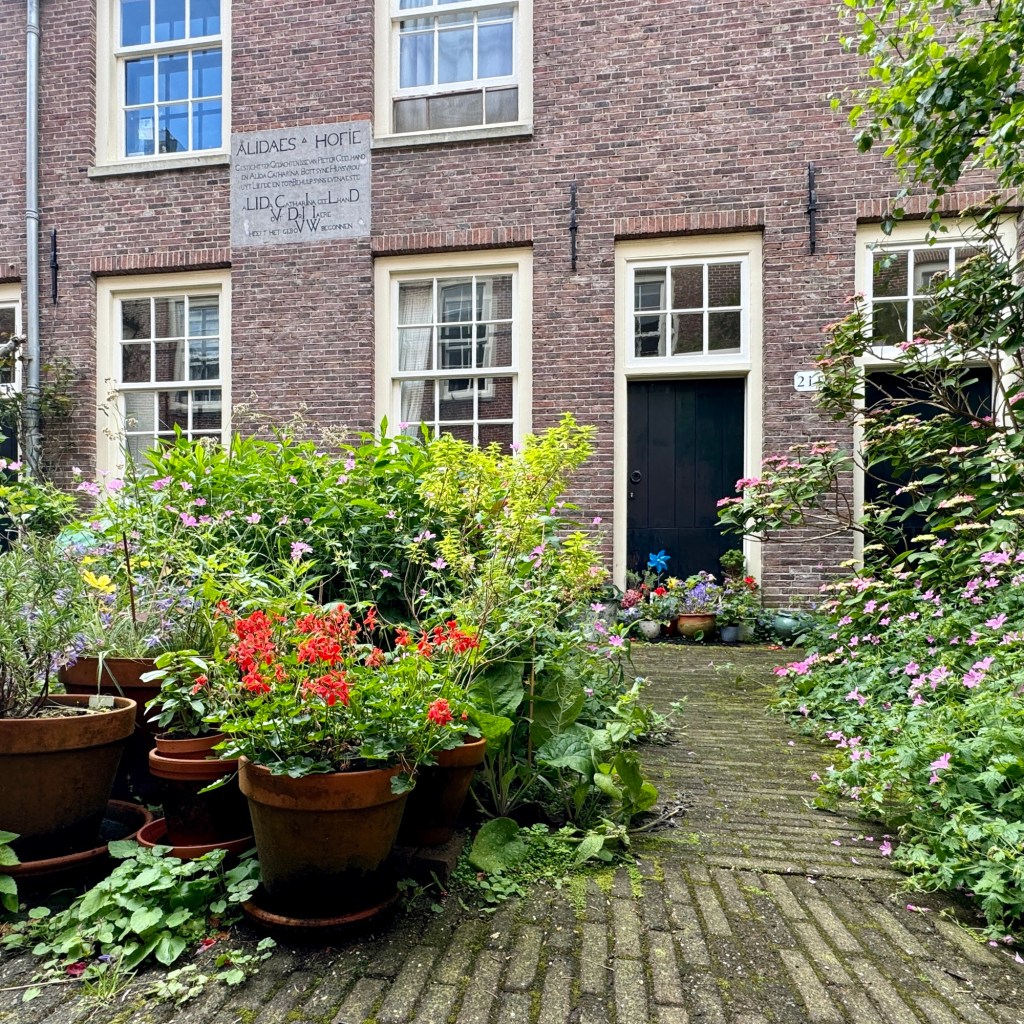
On my way to work earlier this week, I explored another side of Amsterdam: the hofjes. Hofjes are houses around a courtyard that is accessible from the street through a door and a hallway. Today, the courtyard is often a green space with trees and flowers. It used to be the place for communal services like water (in many hofjes you can still see the pumps) and toilets.
Hofjes have a long history in the Netherlands. The eldest were founded in the 12th or 13th century as a philanthropic act of wealthy citizens for widows or elderly men. Some hofjes have a religious origin, as intentional communities of laypeople such as the Beguines. In the 19th century another type of hofje was built: housing for people who had come to the city to look for work. These were sometimes maintained by slumlords who profited from the rule that for housing built off the street no permit was needed.
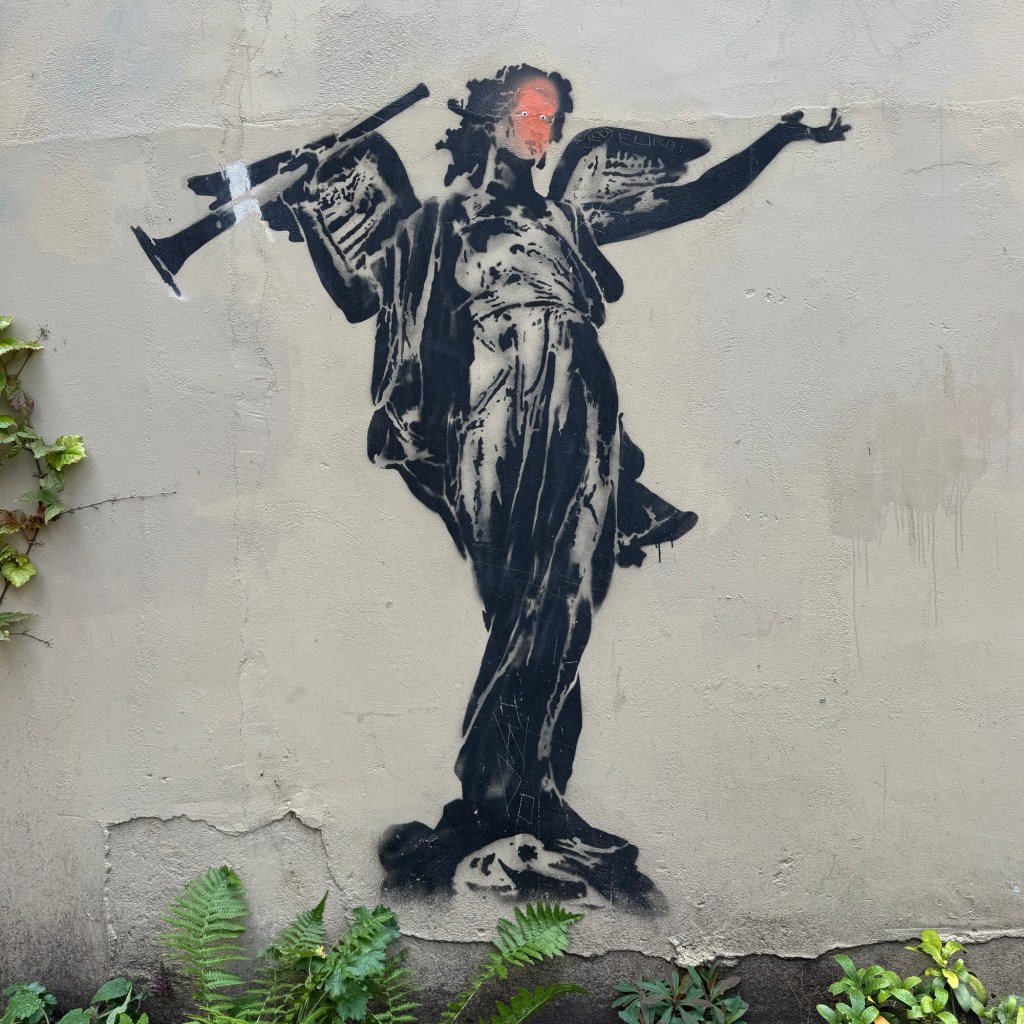
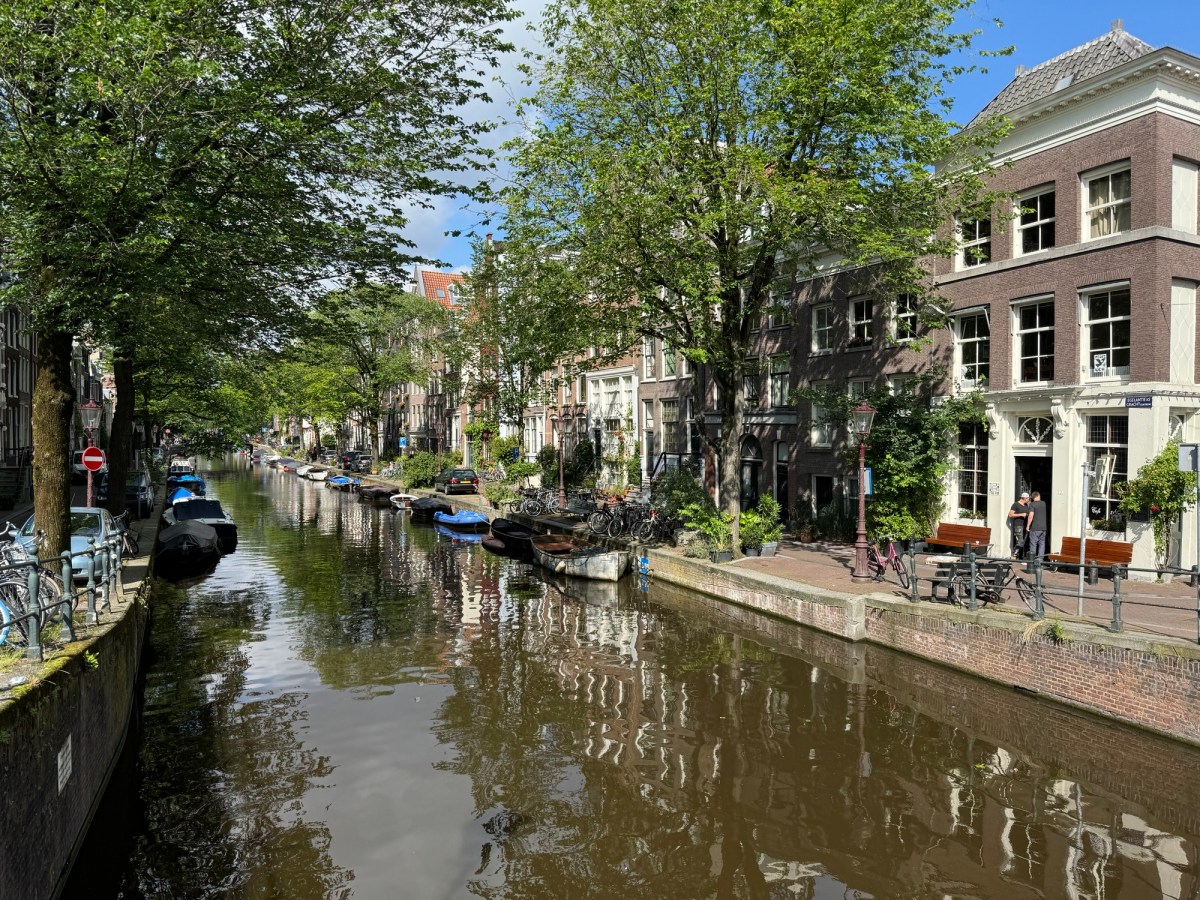
My walk took me to more than 10 hofjes in the Jordaan quarter of Amsterdam. I enjoyed the green, quiet spaces in the bustling city!



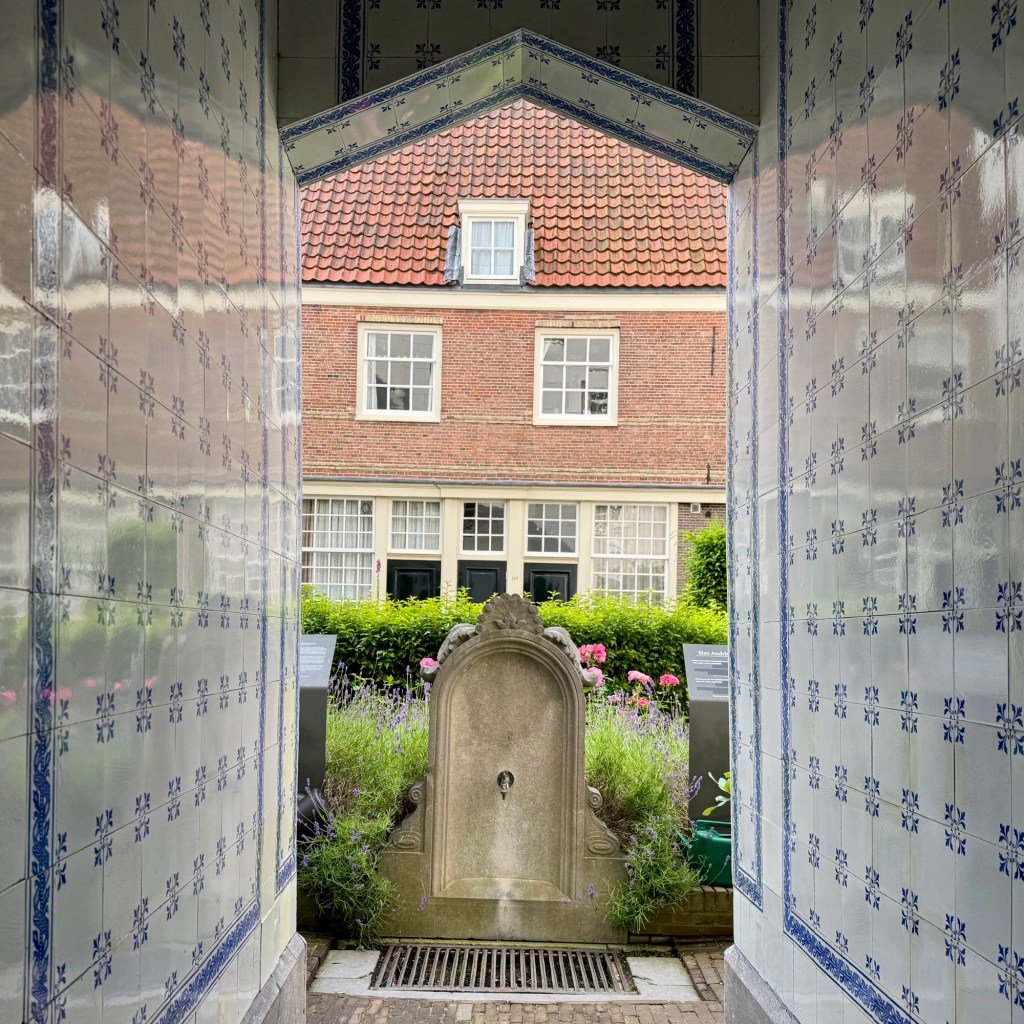
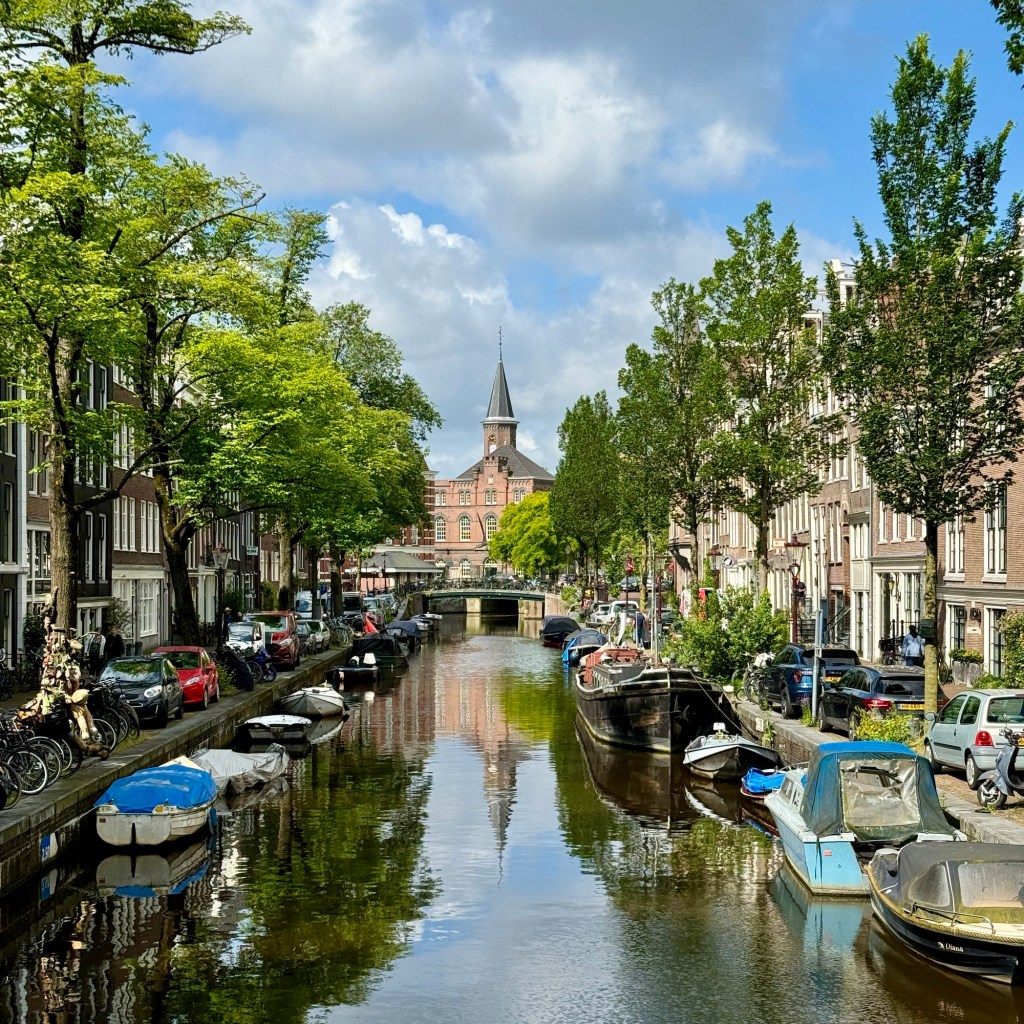


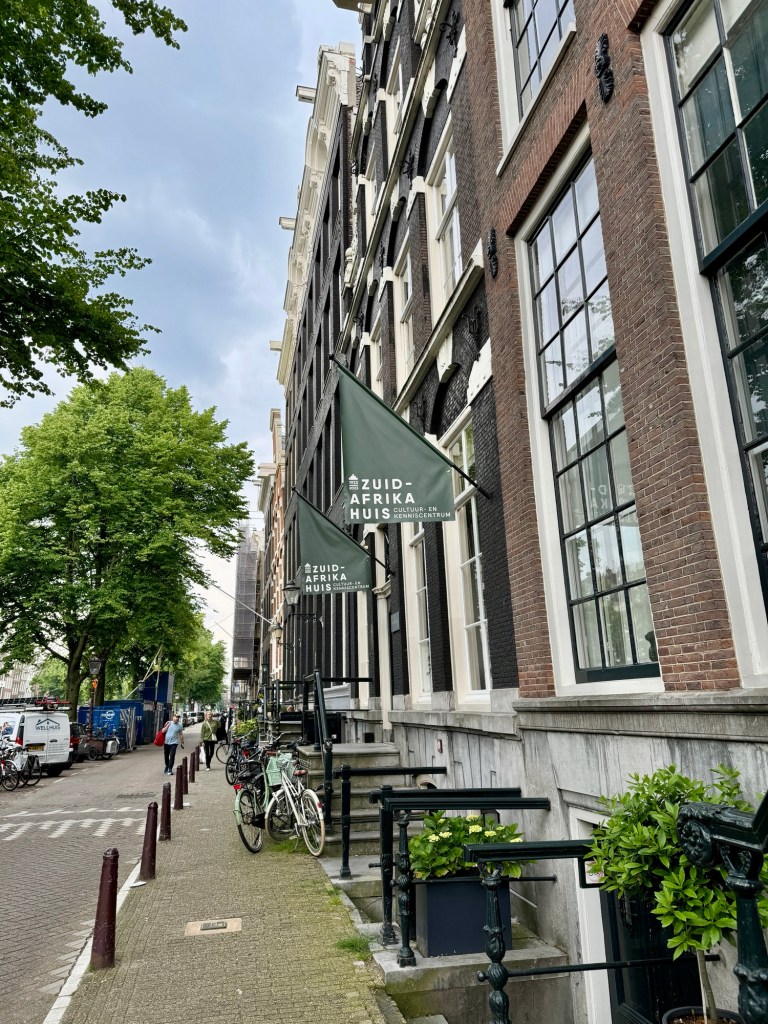
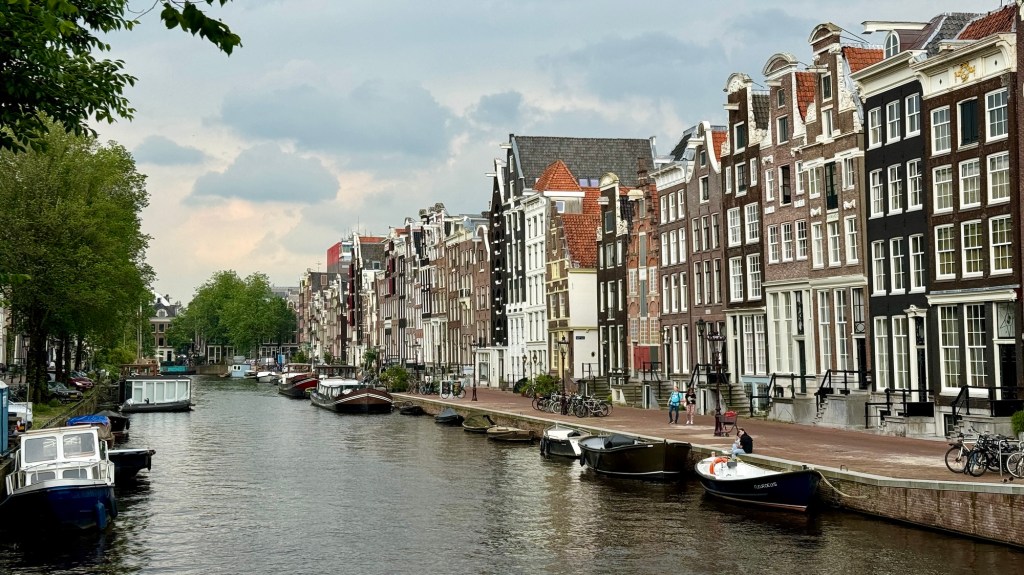
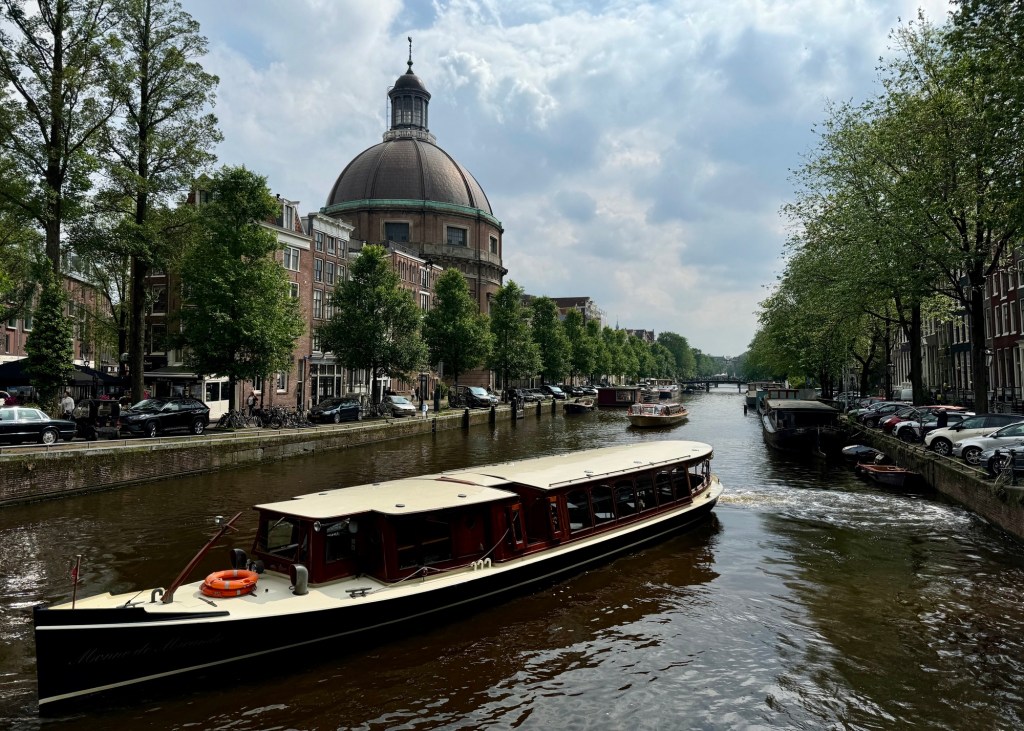
I have been too quiet! Work was absorbing the past months. The good news is that we will be moving closer to my work soon. And I have been exploring beautiful Amsterdam. More soon!

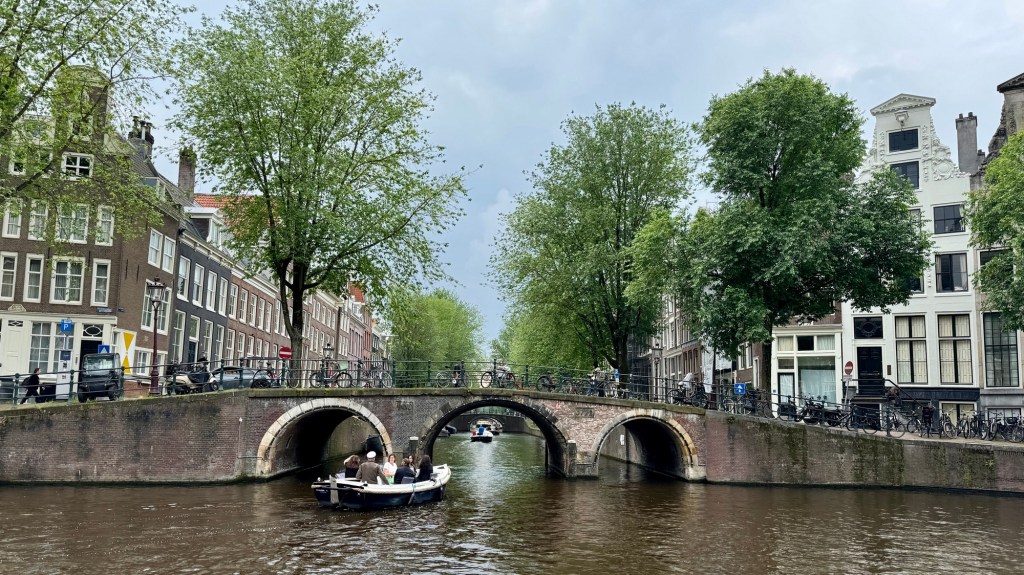
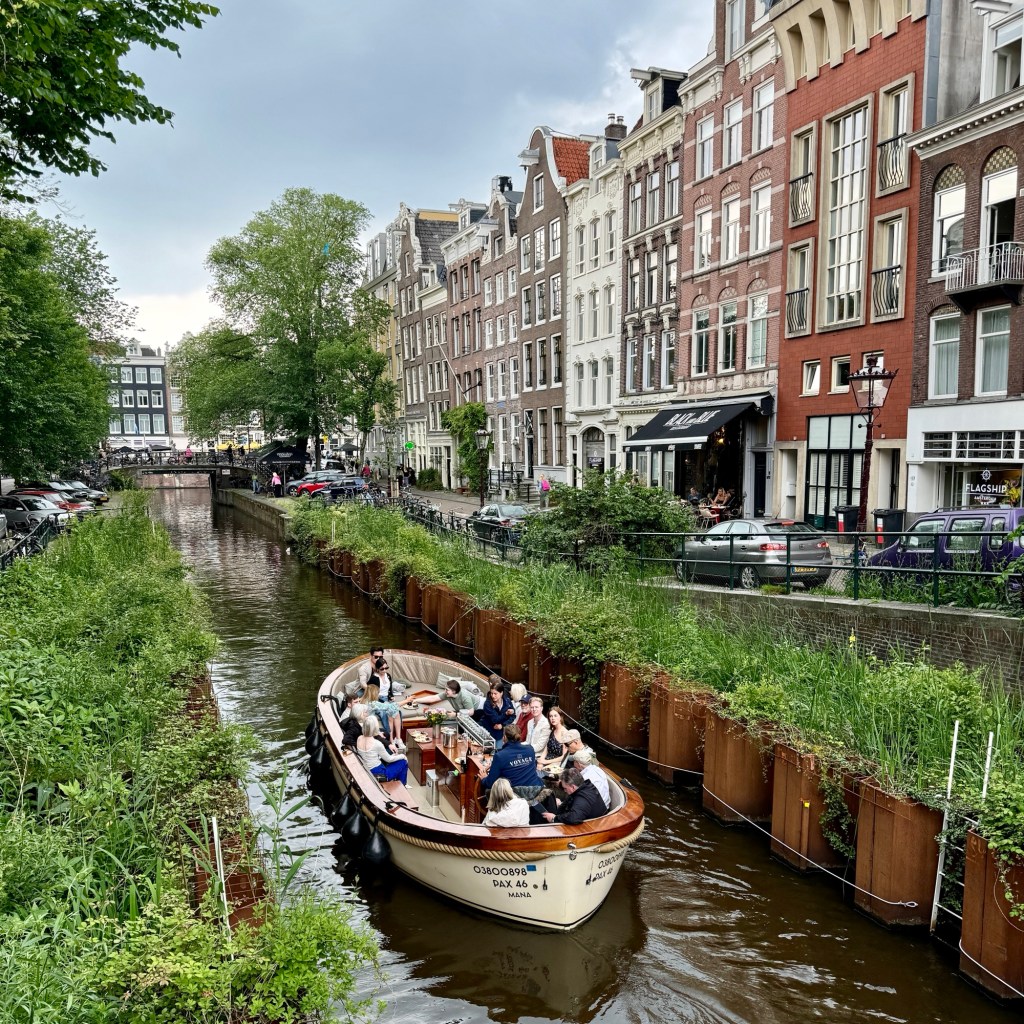



 Awesome wonder