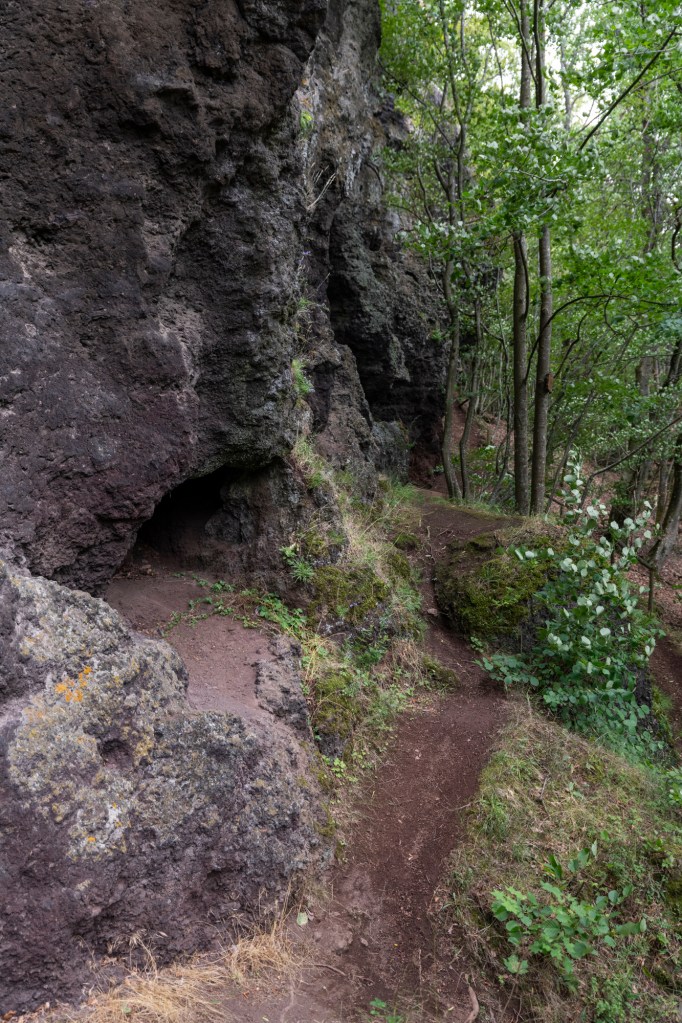
Hofjes in Amsterdam

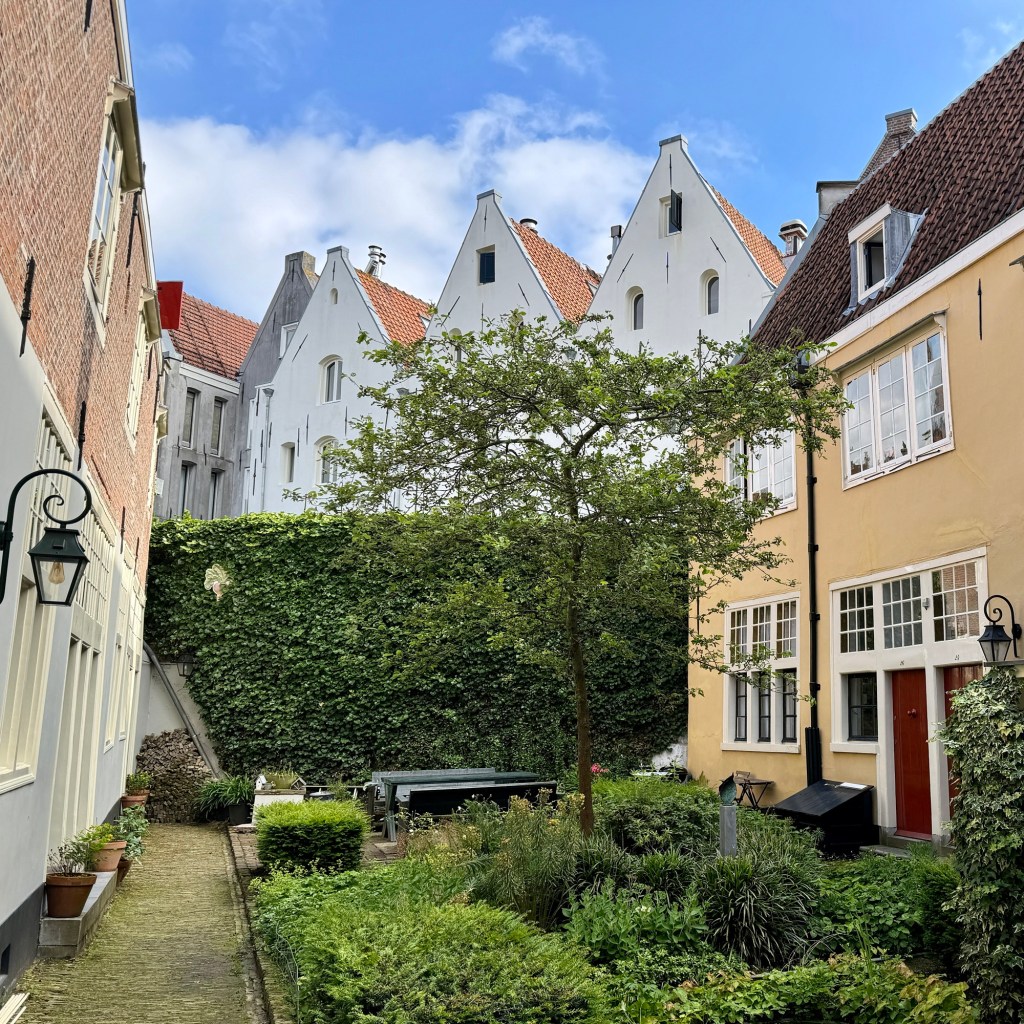
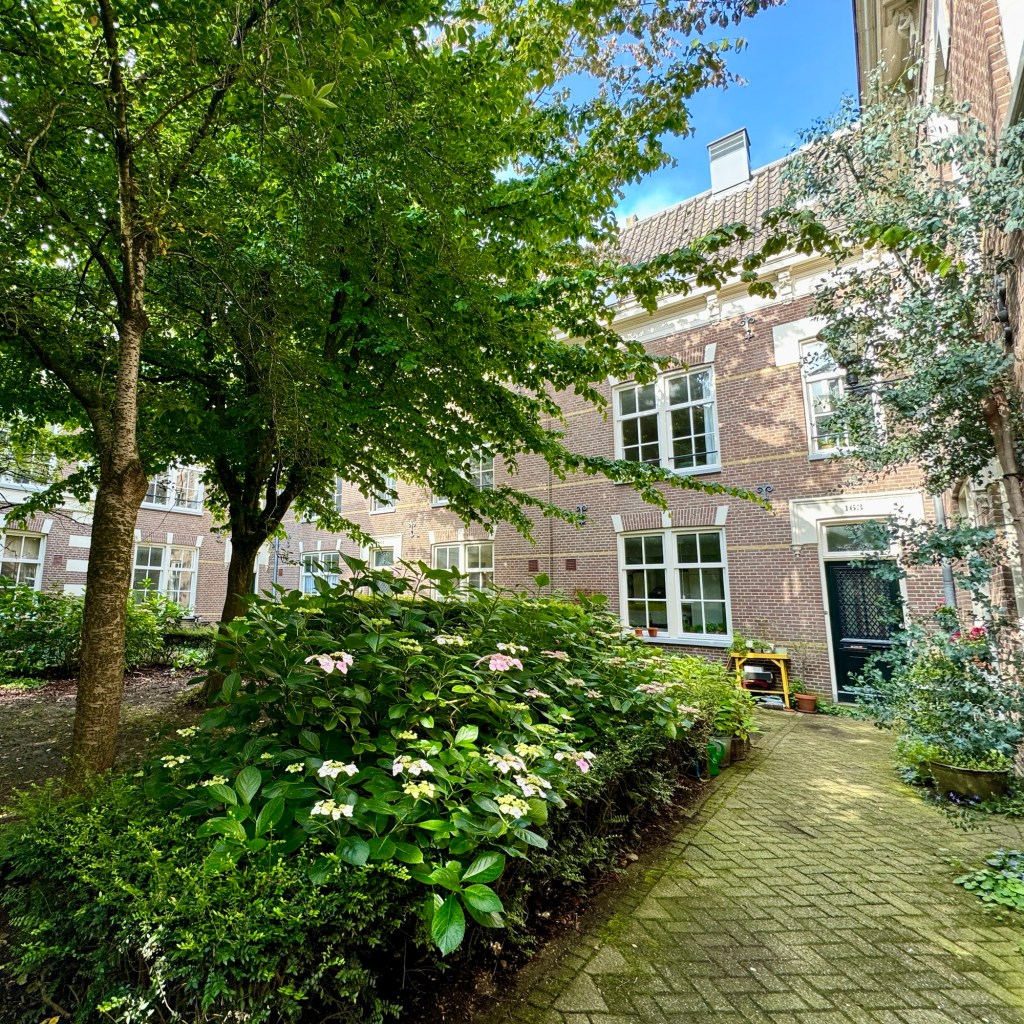
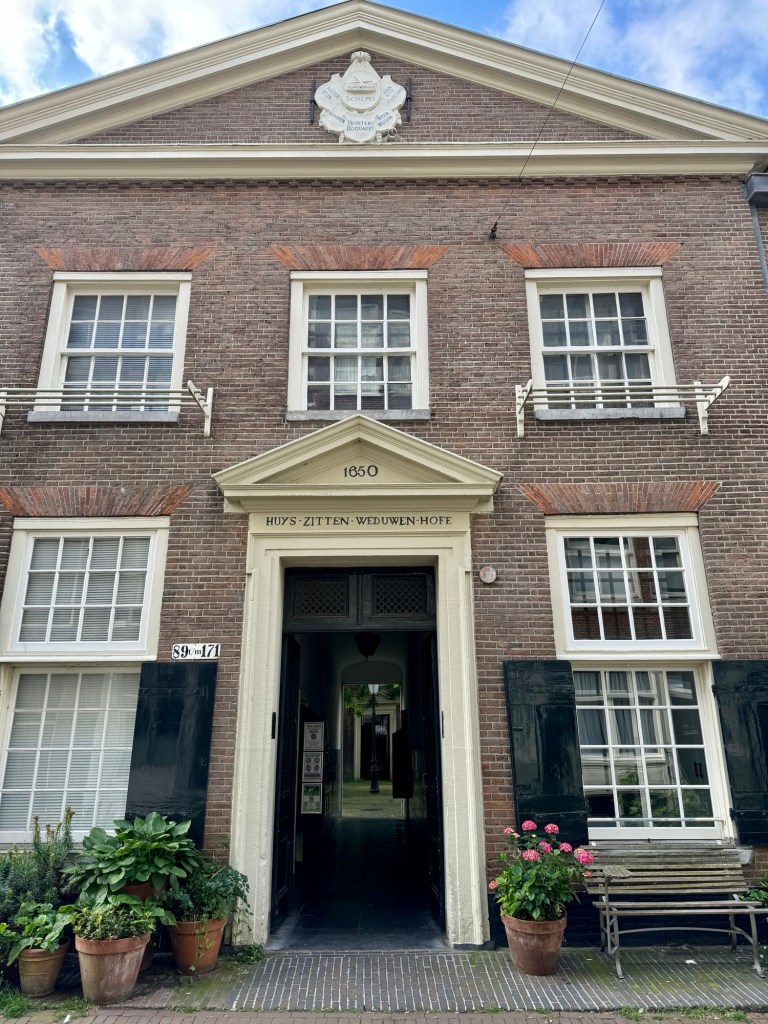
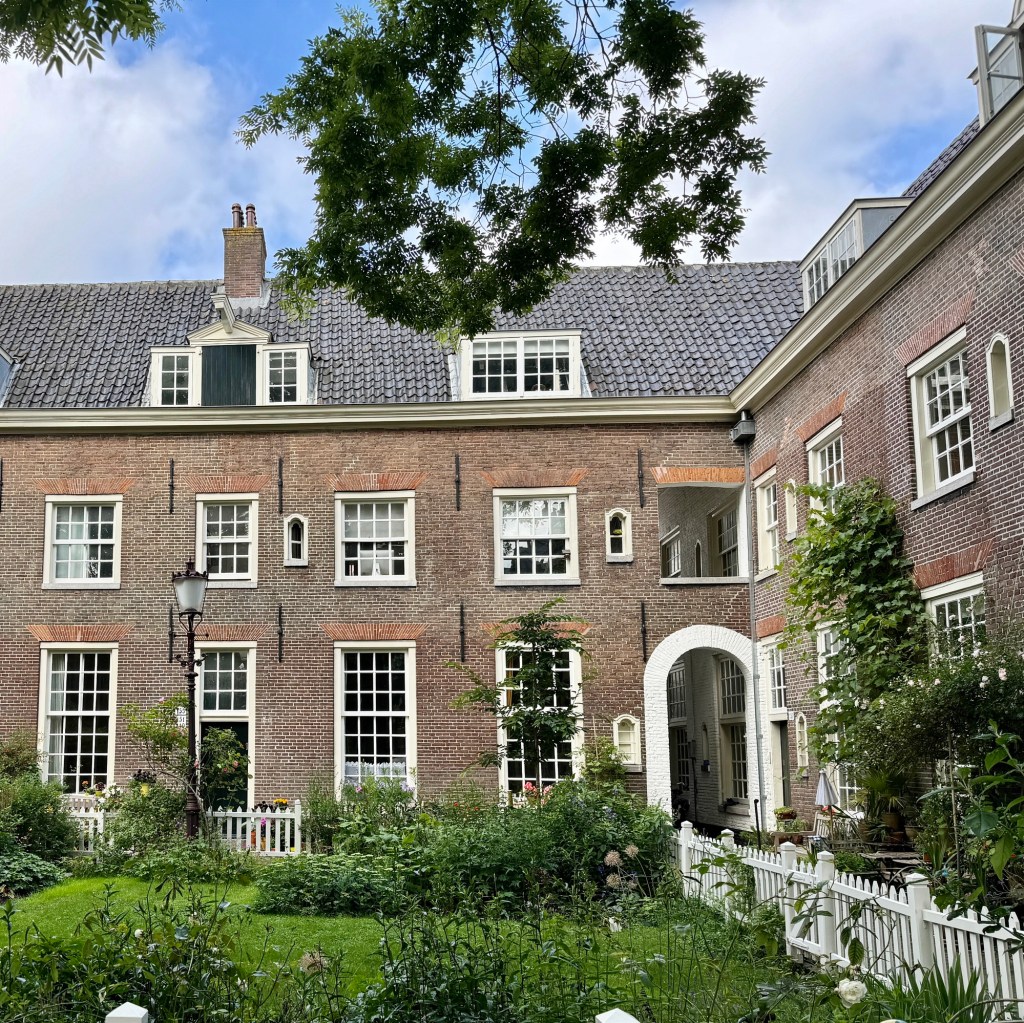
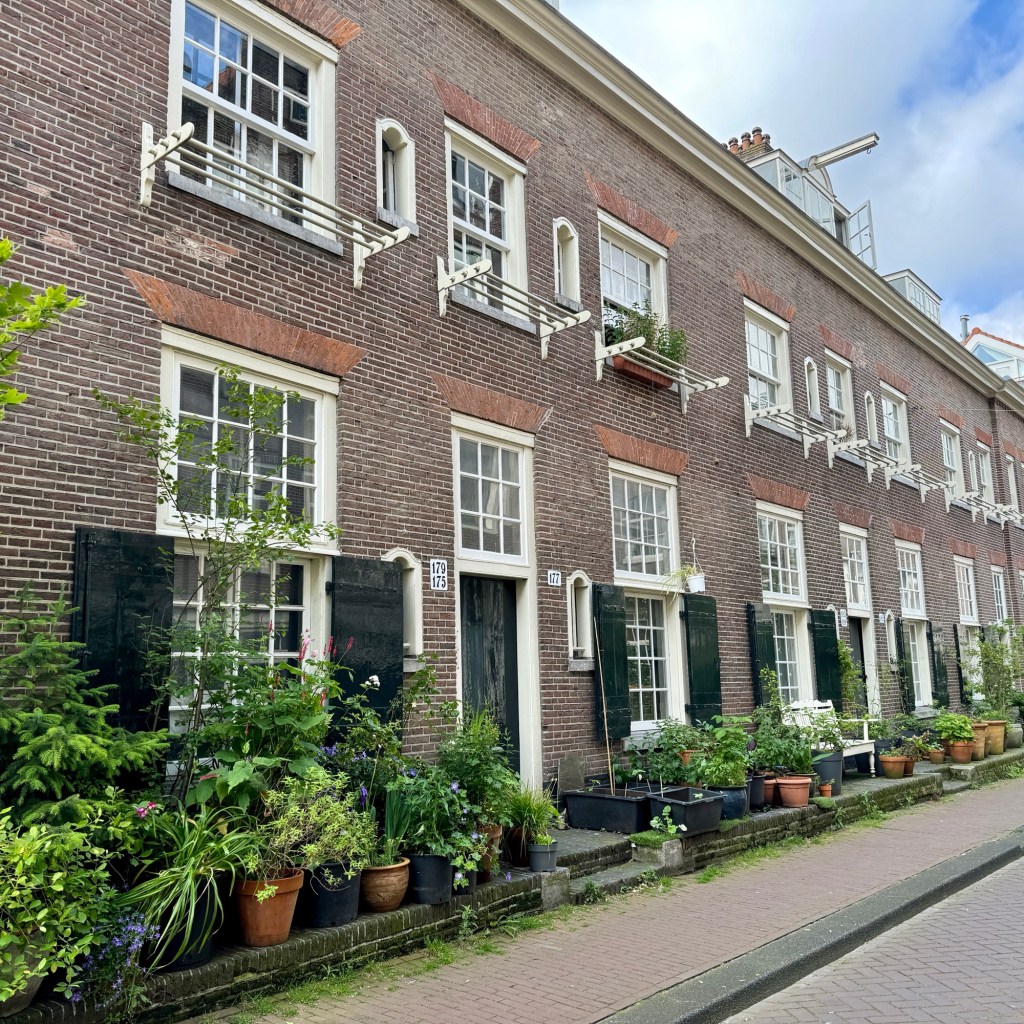
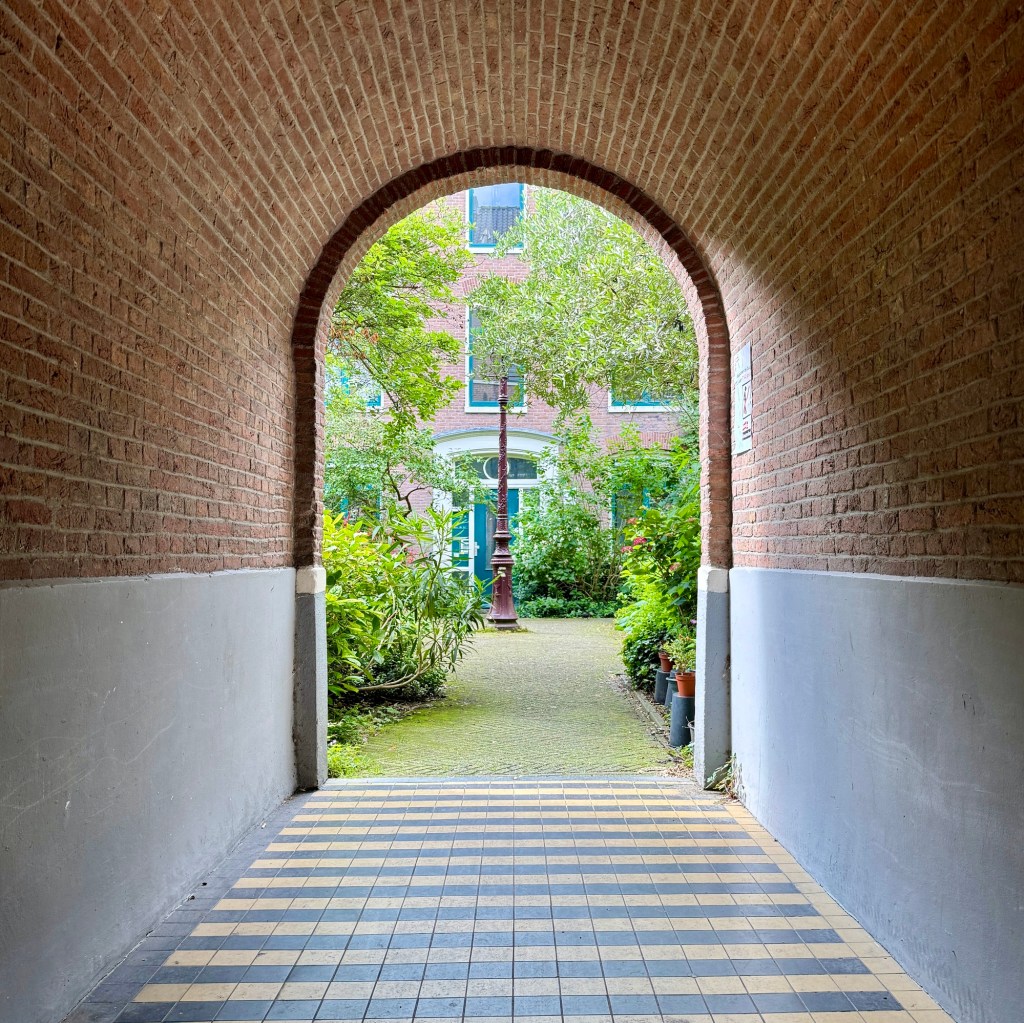
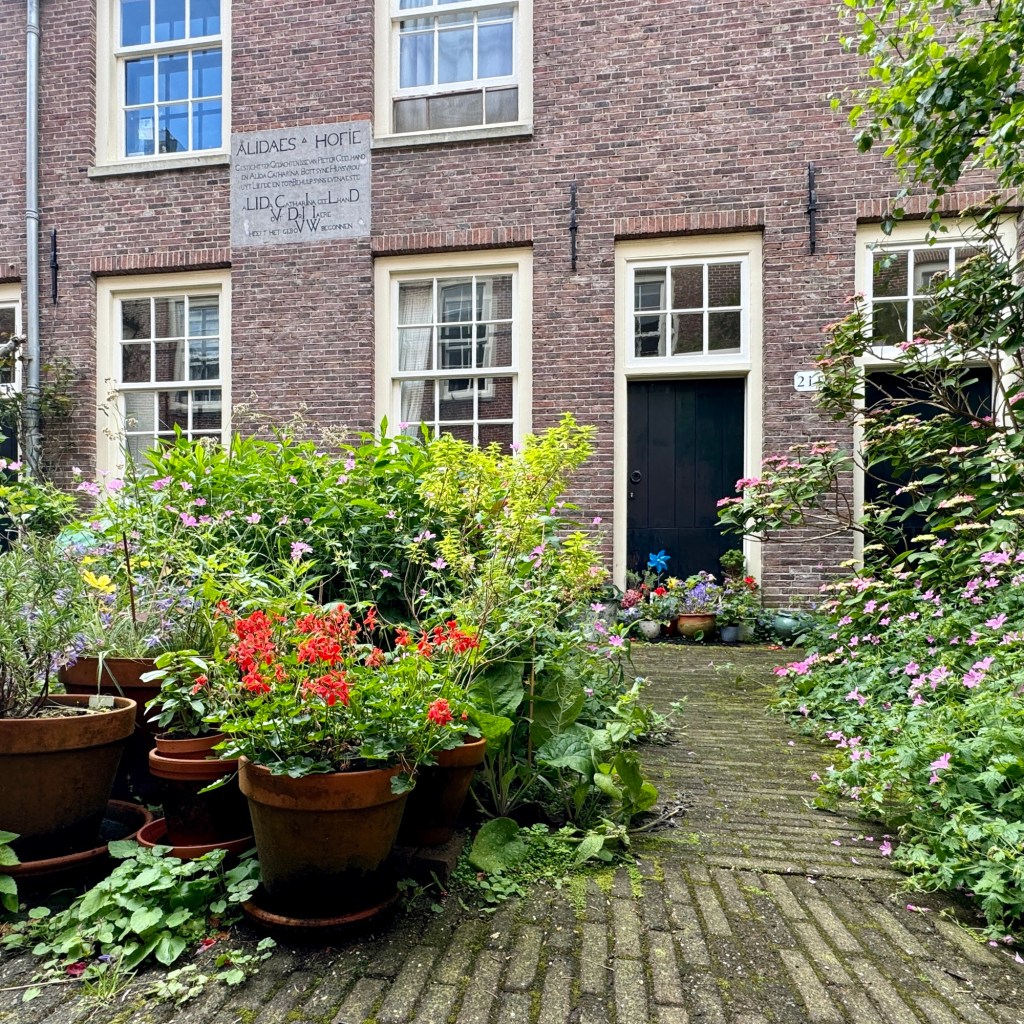
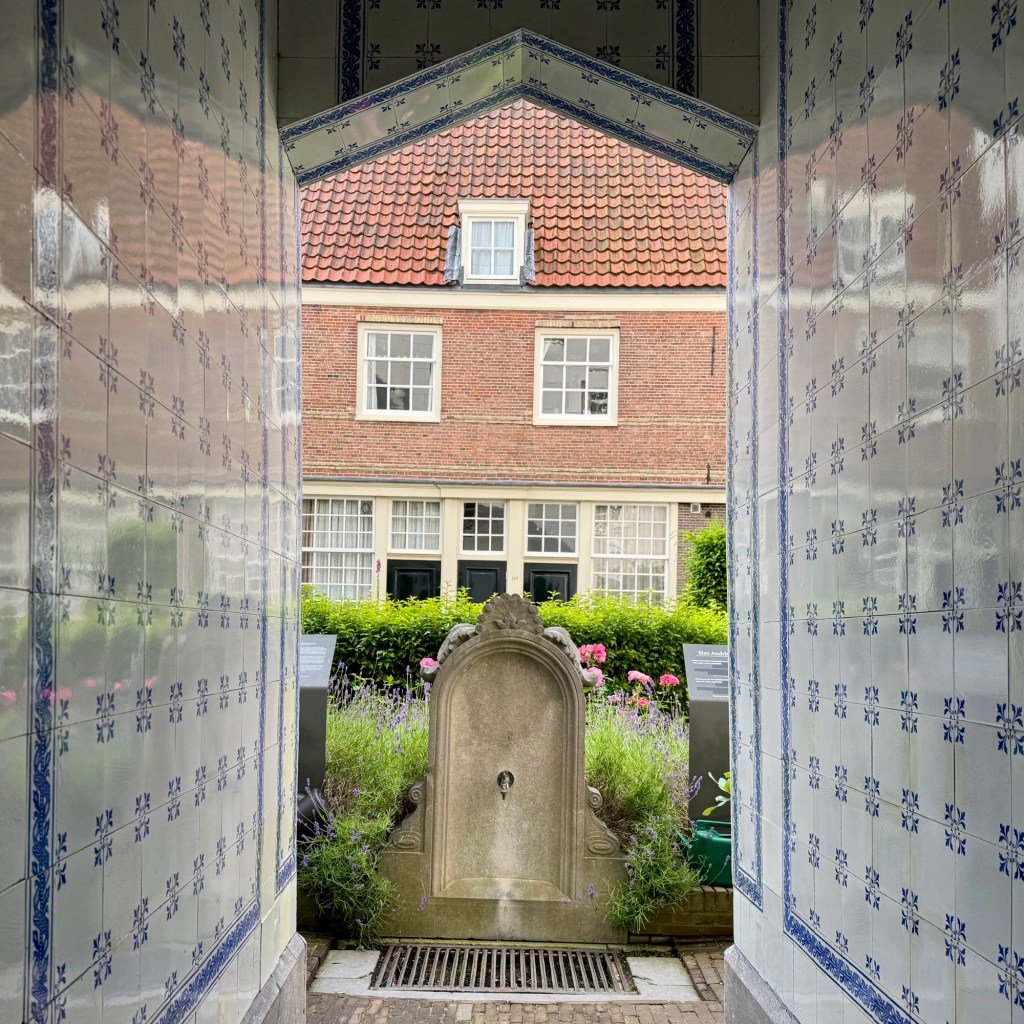
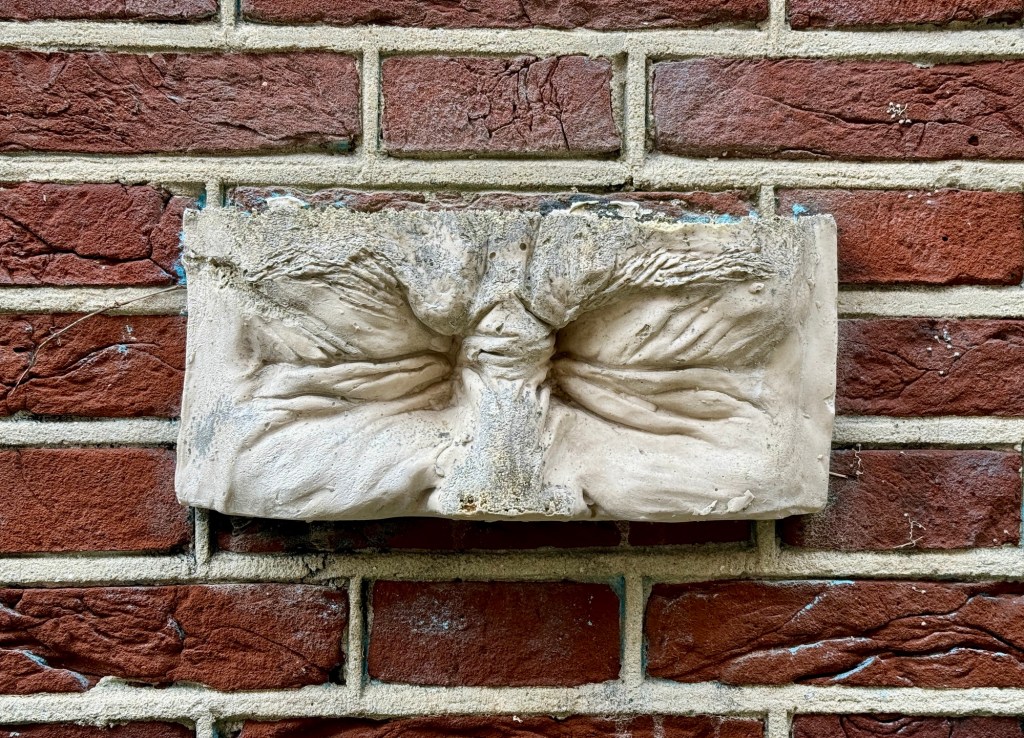
On my way to work earlier this week, I explored another side of Amsterdam: the hofjes. Hofjes are houses around a courtyard that is accessible from the street through a door and a hallway. Today, the courtyard is often a green space with trees and flowers. It used to be the place for communal services like water (in many hofjes you can still see the pumps) and toilets.

Hofjes have a long history in the Netherlands. The eldest were founded in the 12th or 13th century as a philanthropic act of wealthy citizens for widows or elderly men. Some hofjes have a religious origin, as intentional communities of laypeople such as the Beguines. In the 19th century another type of hofje was built: housing for people who had come to the city to look for work. These were sometimes maintained by slumlords who profited from the rule that for housing built off the street no permit was needed.

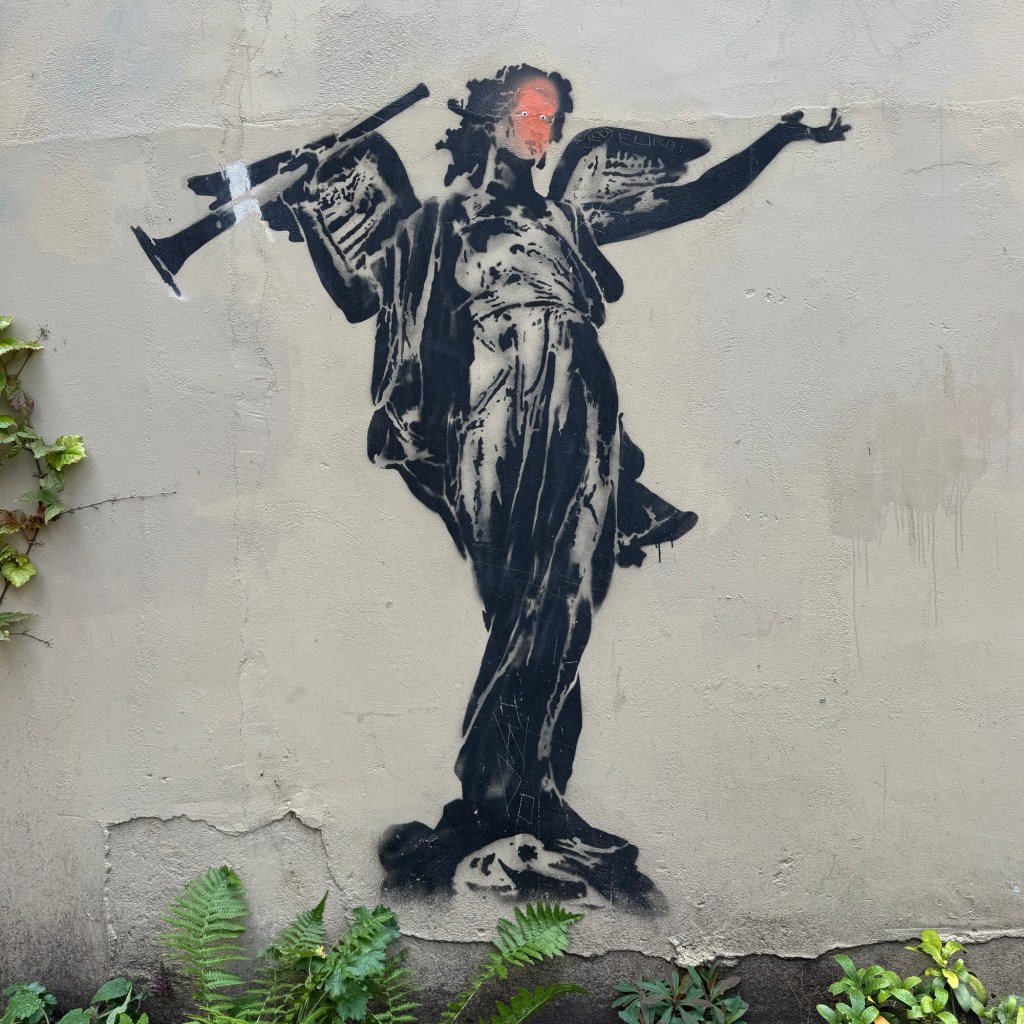
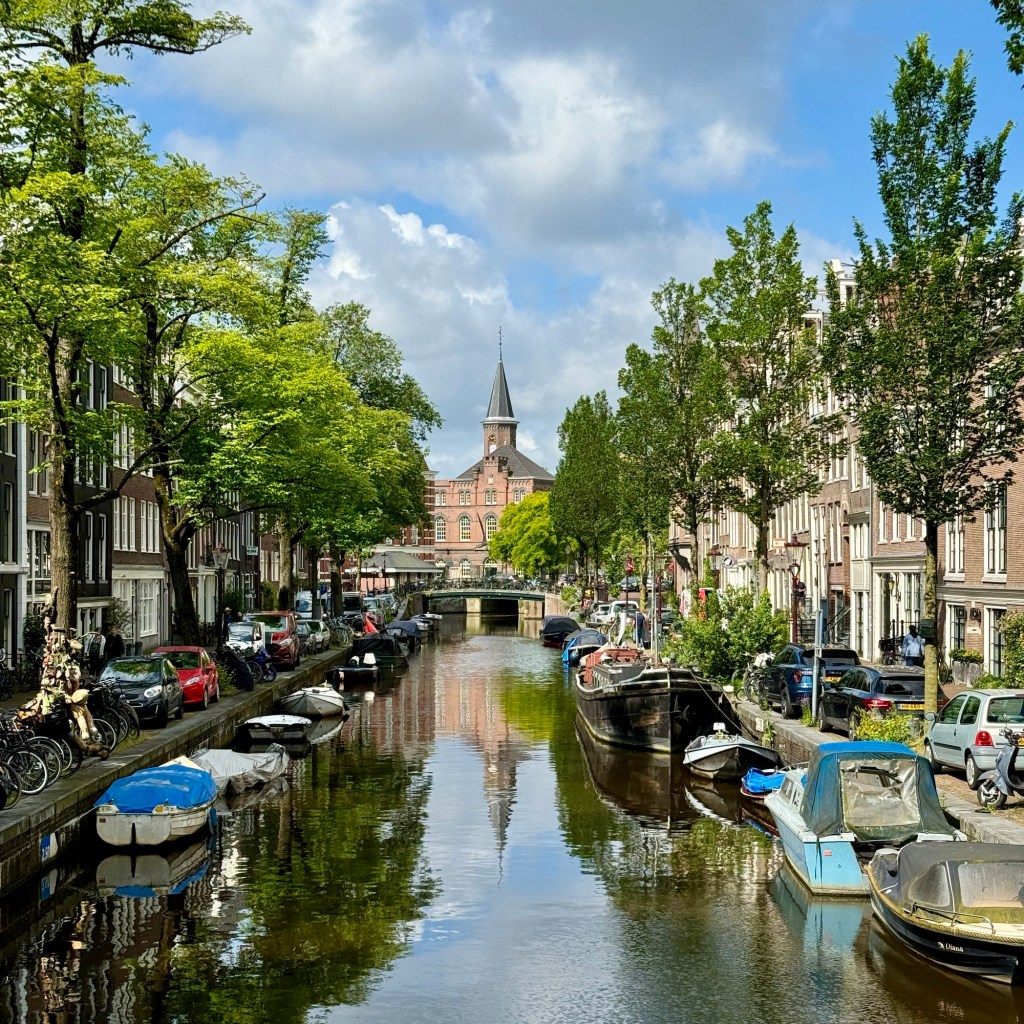
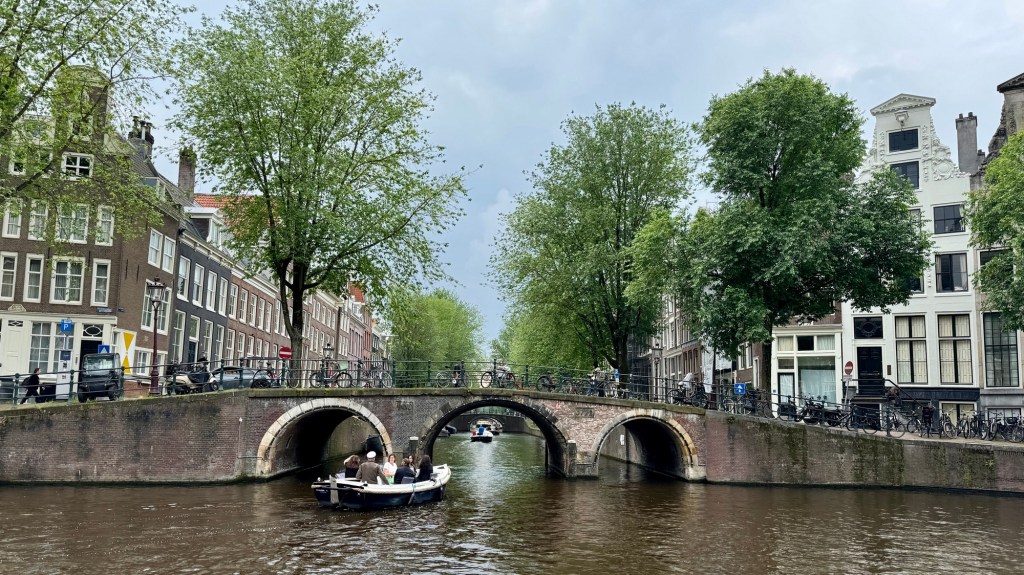
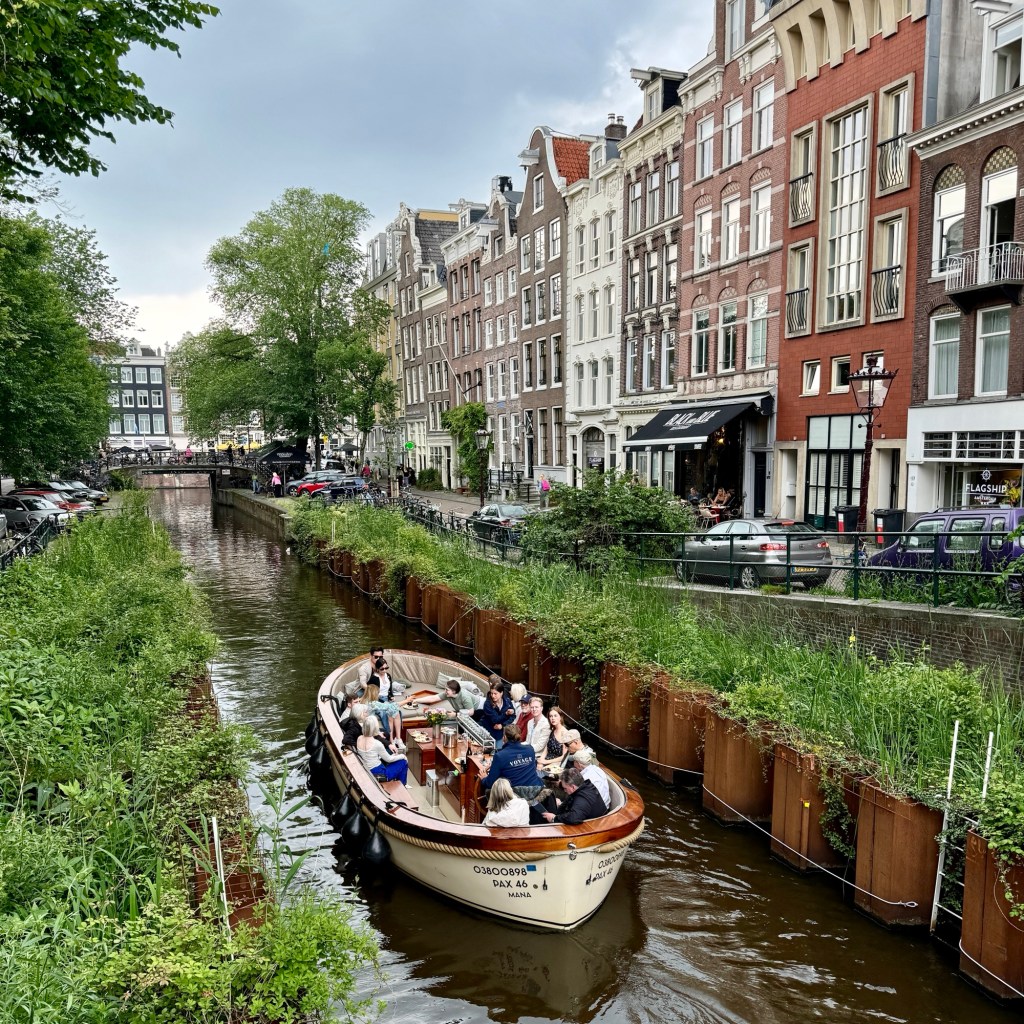
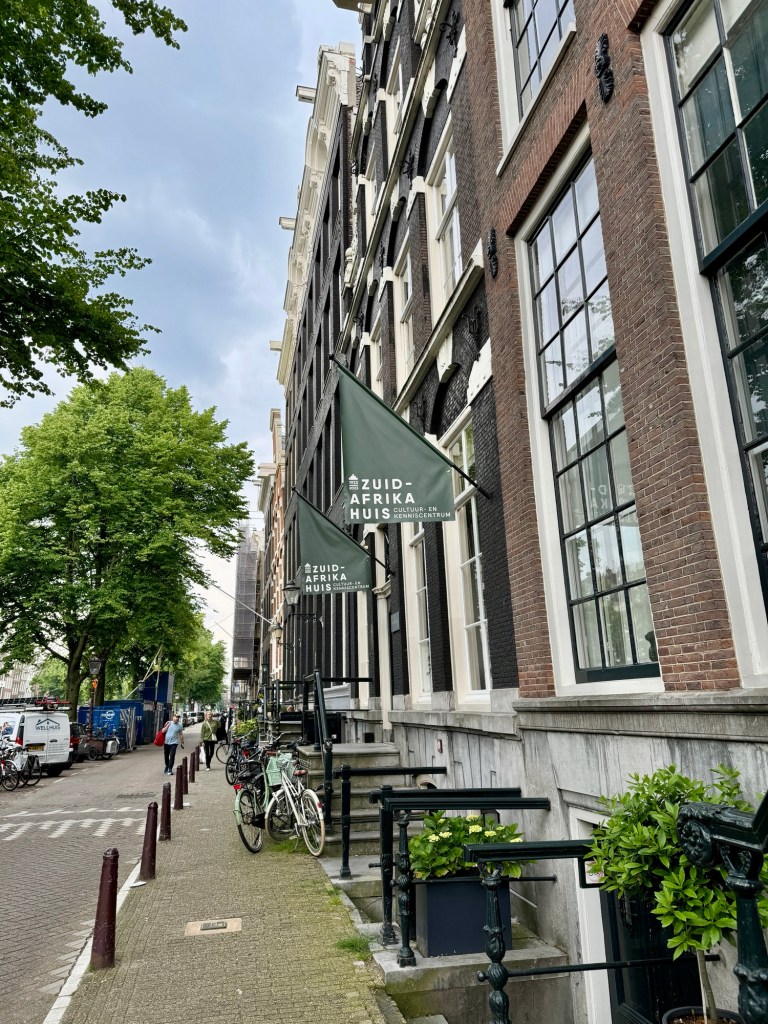
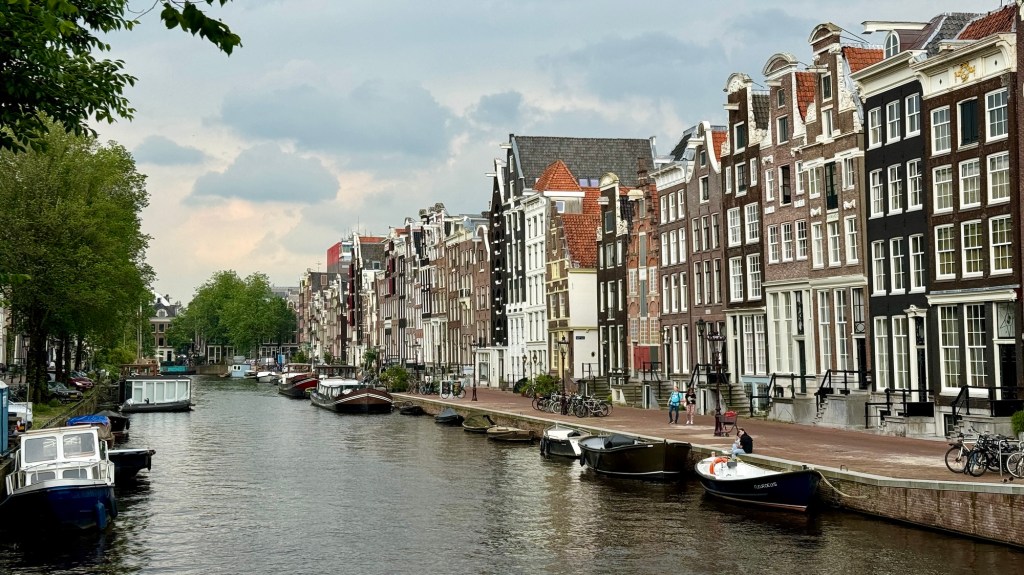
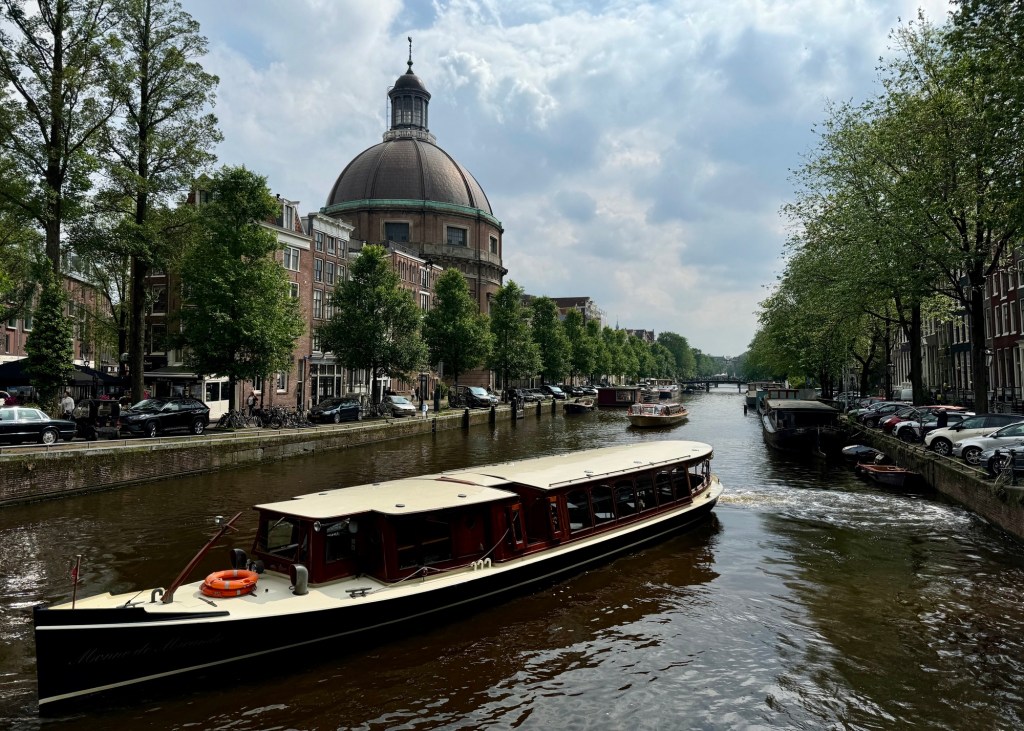
My walk took me to more than 10 hofjes in the Jordaan quarter of Amsterdam. I enjoyed the green, quiet spaces in the bustling city!

Autumn colors

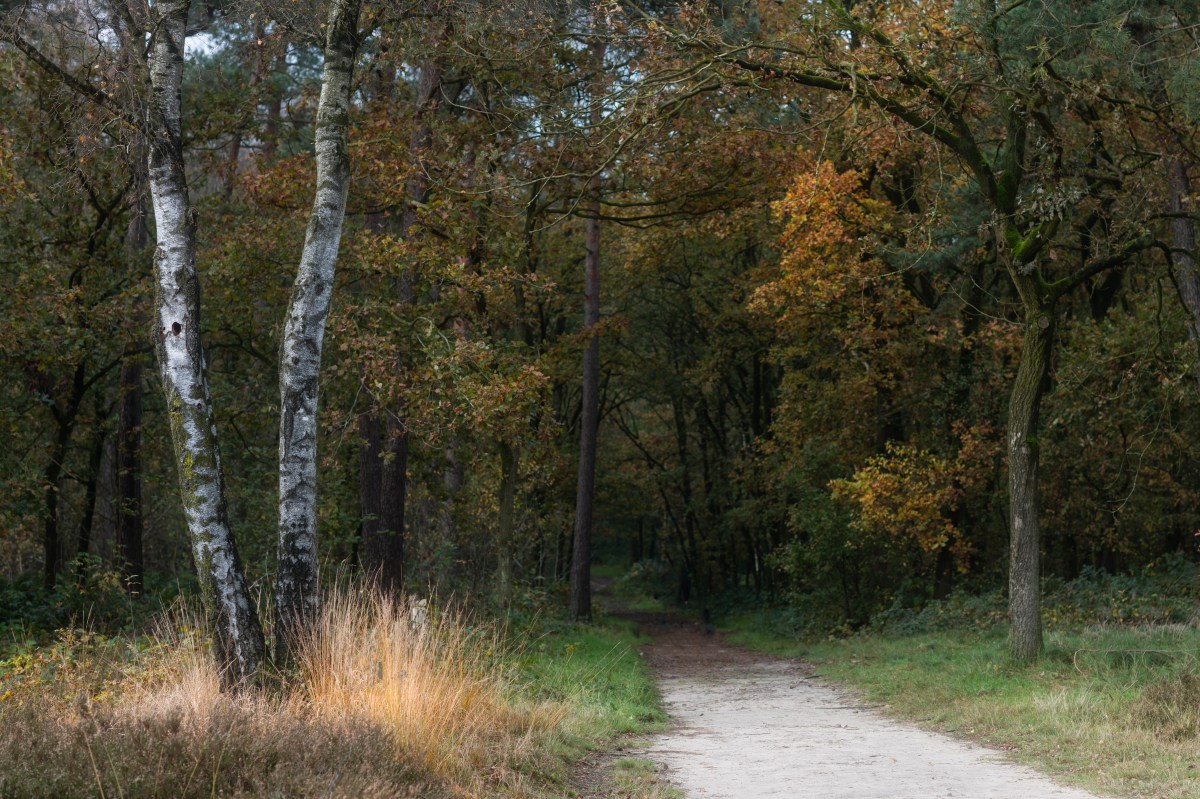
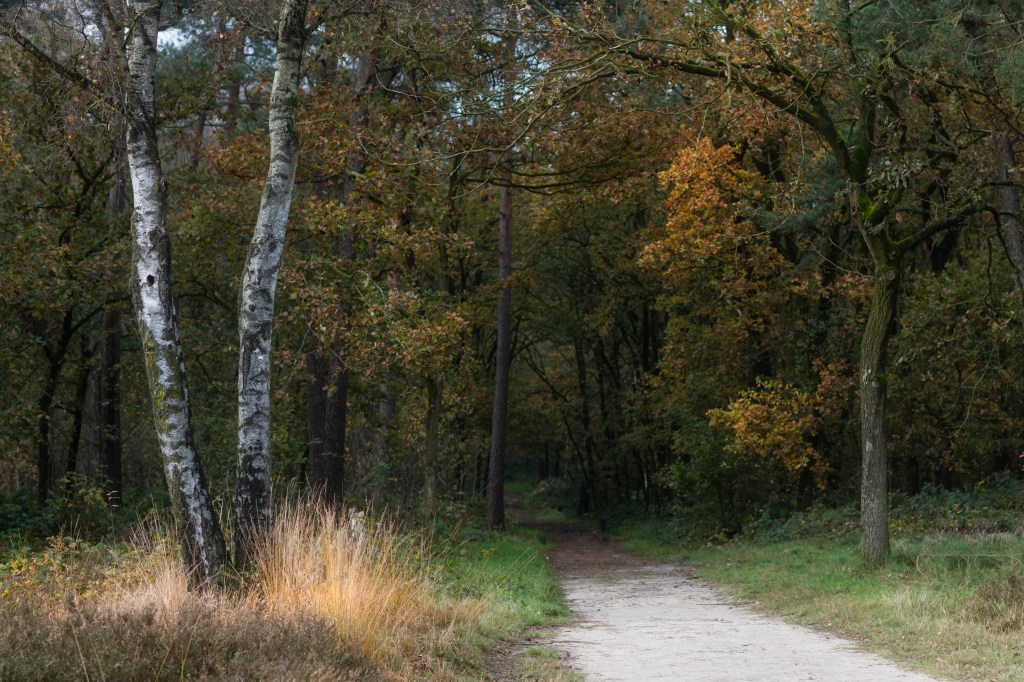
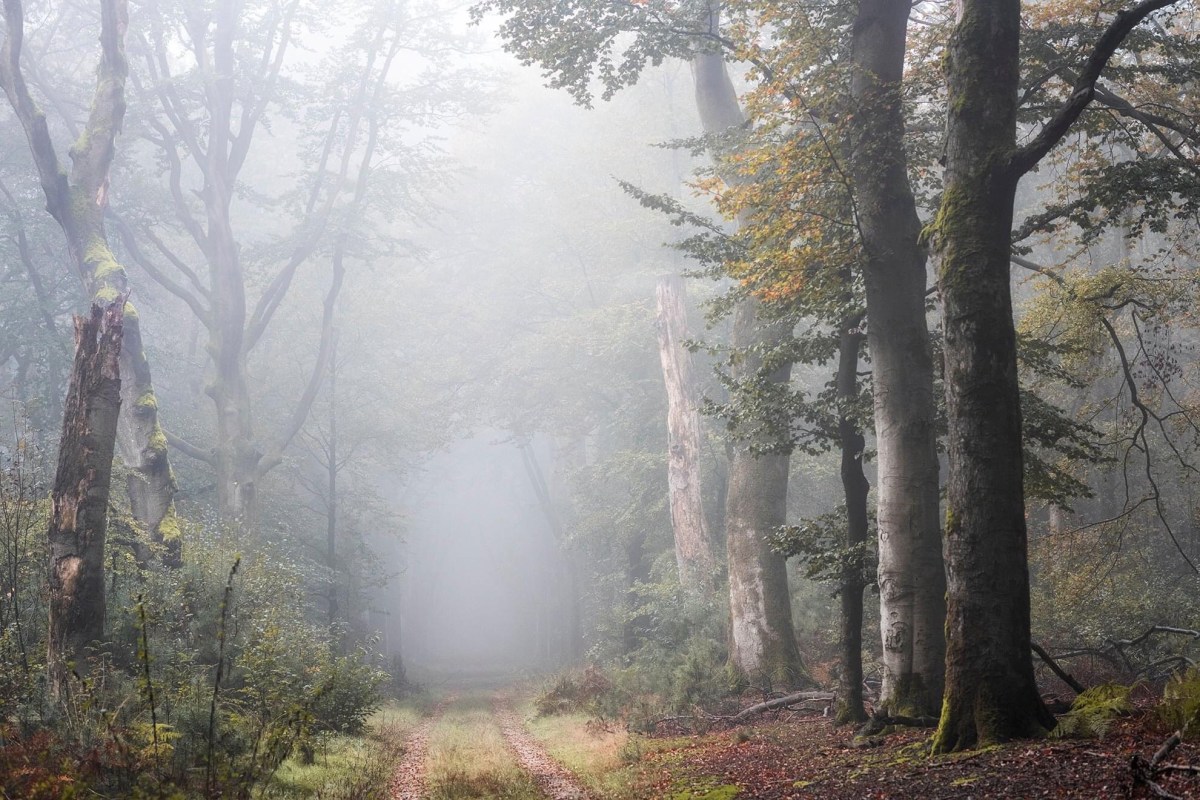
It’s been so long since I found time to get out into the forest! But today I was working from home and when it started to get foggy I packed my camera and tripod and went out. A last chance to get some autumn colors!

Autumn colors

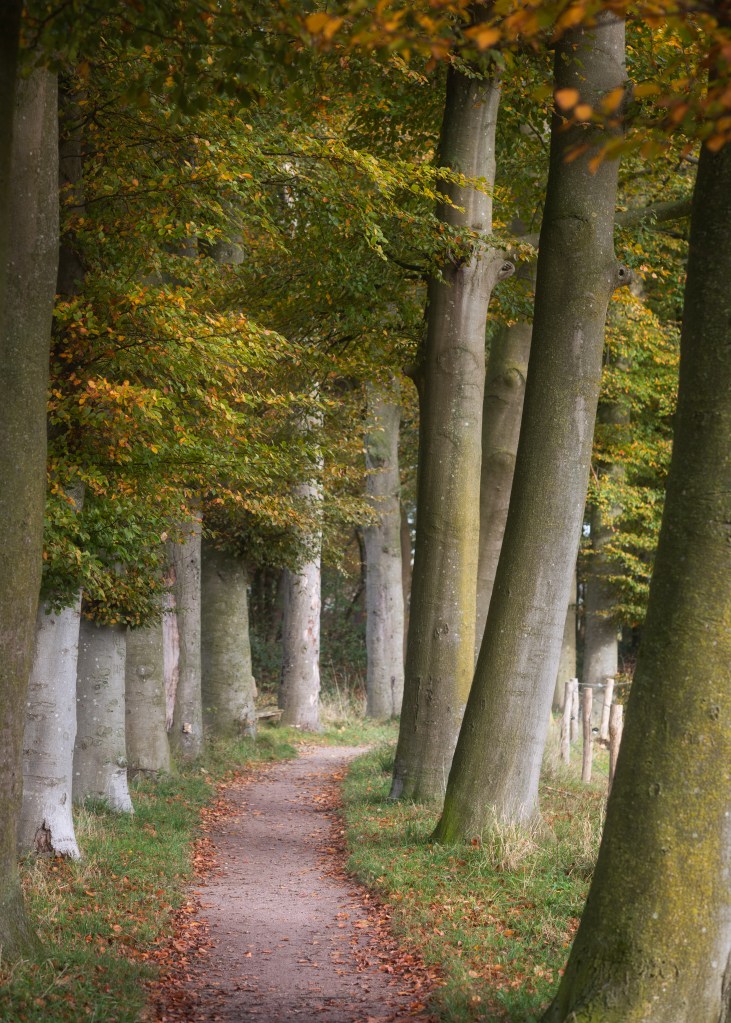
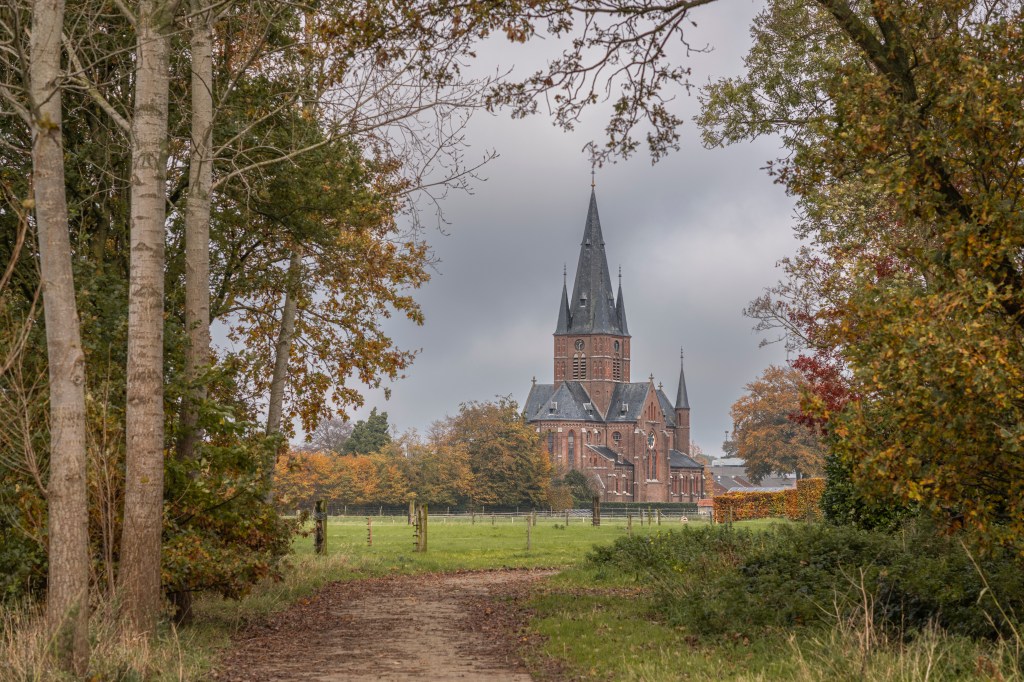
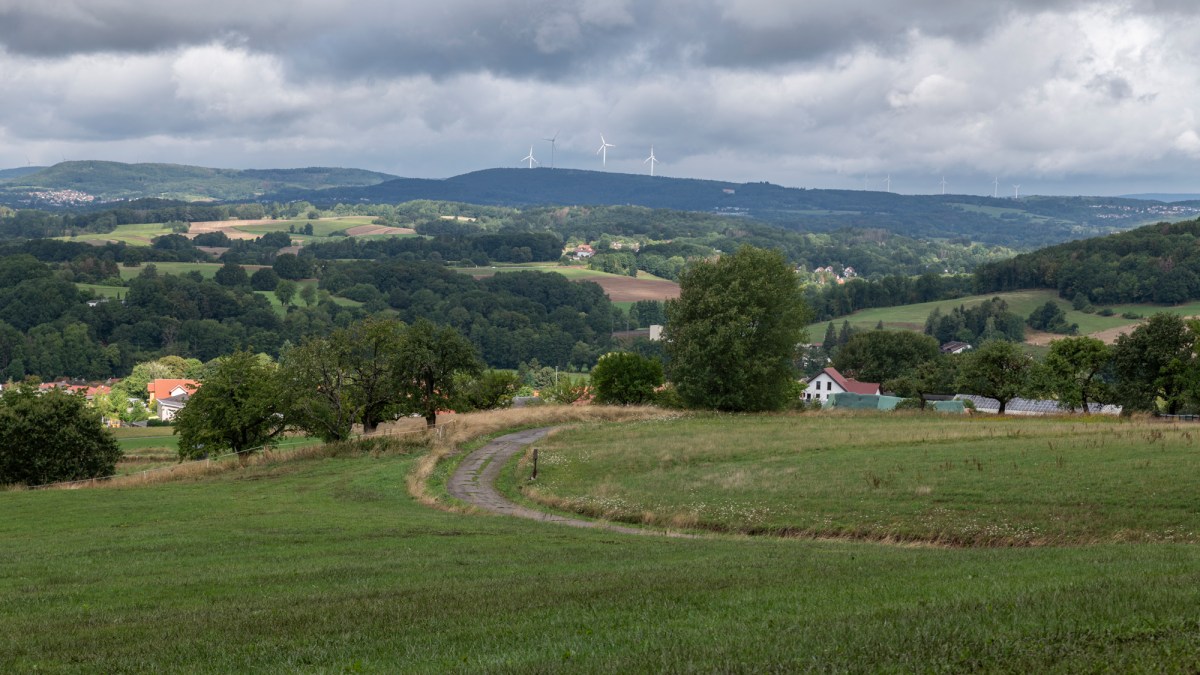
My Walk of Wisdom journey is almost coming to an end. Since Hermen gave me the starter pack for my birthday in February, we have been walking through the countryside around Nijmegen. The past weeks we have been busy and the weather was rainy, but Sunday promised to be dry. So after Hermen’s church service we set out to hike the trail from Wijchen to Afferden – about 18 km. We fortunately made it before dark!

A new rhino

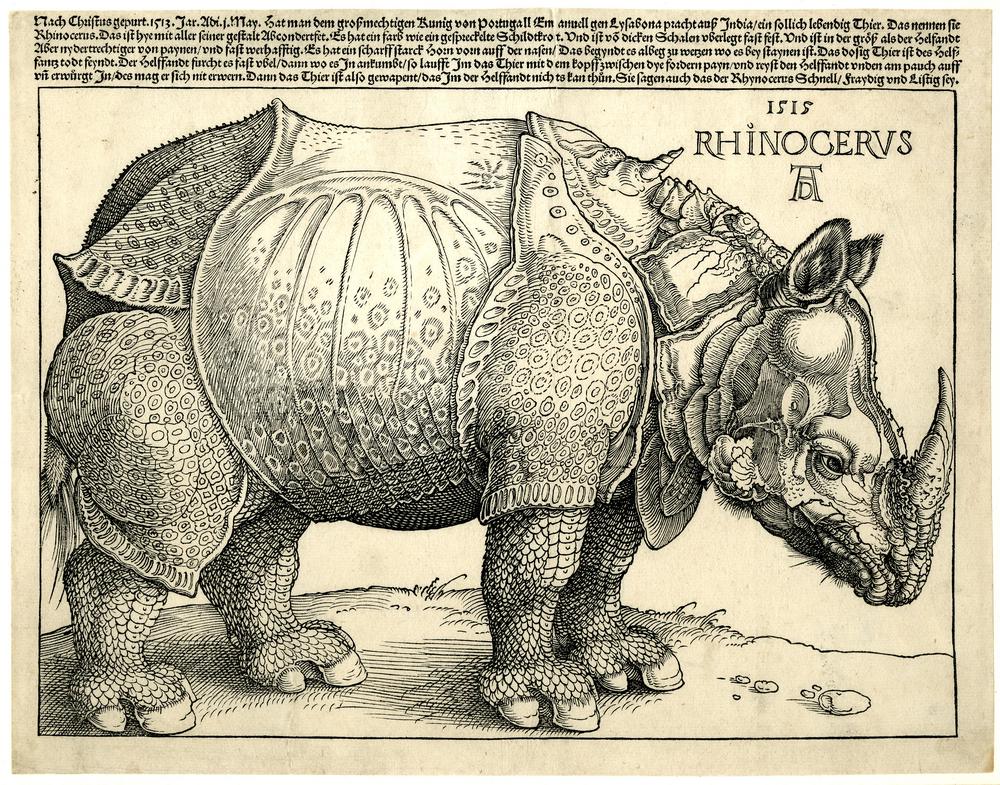
I always thought that Dürer’s portrait of a rhino was an example of an artist who tried to draw an animal that he had never seen. Dürer didn’t actually see a rhino, but his drawing was far more accurate than I thought – it was just a different kind of rhino. Dürer drew a Sumatran rhino which is far more plated than the African varieties I know so well. Yesterday I say my first Asian rhino in Berlin Zoo, and this is my hommage to Dürer!

Kalenders

Voor de Kunstroute Heumen heb ik twee kalenders voor 2024 gemaakt. Wilt u ook een stukje van de prachtige natuur rond Heumen aan de muur? Stuur me dan een mailtje op johannekekroesbergen@gmail.com!

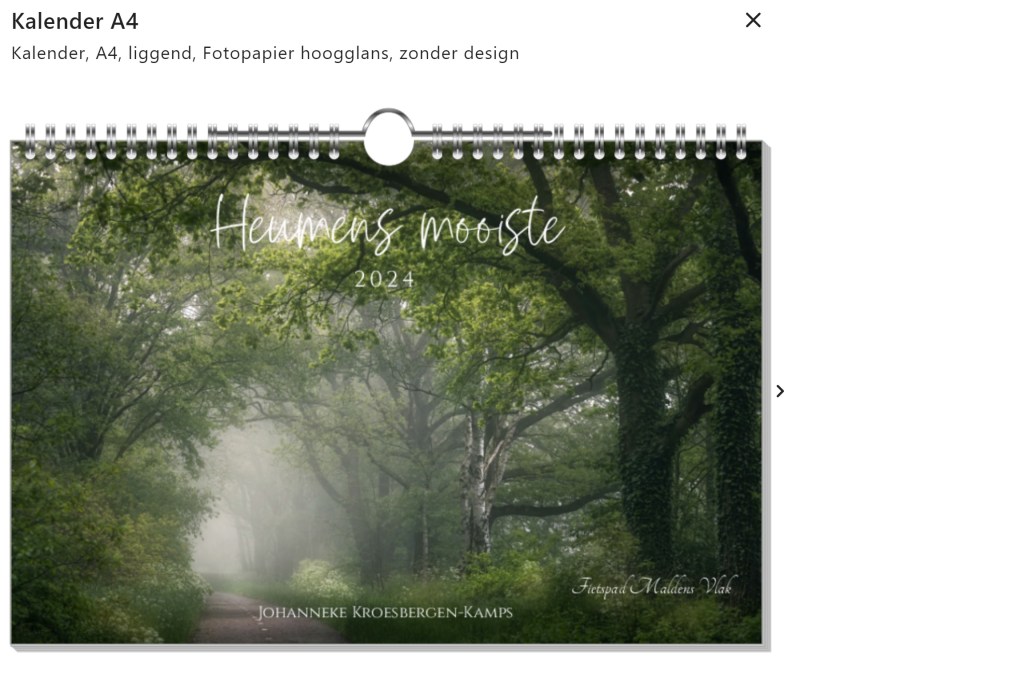
De eerste kalender, Heumens Mooiste, is een kalender op A4 formaat, gedrukt op superieur hoogglanzend papier. Alle foto’s op de kalender zijn gemaakt in de gemeente Heumen. Zo ziet de kalender eruit:

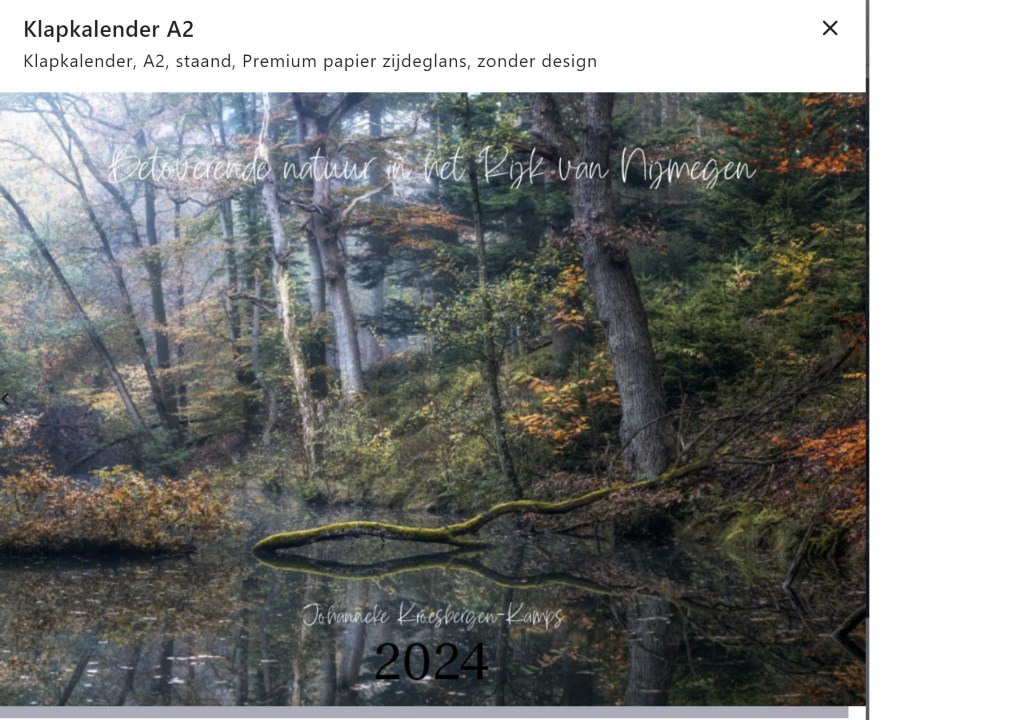
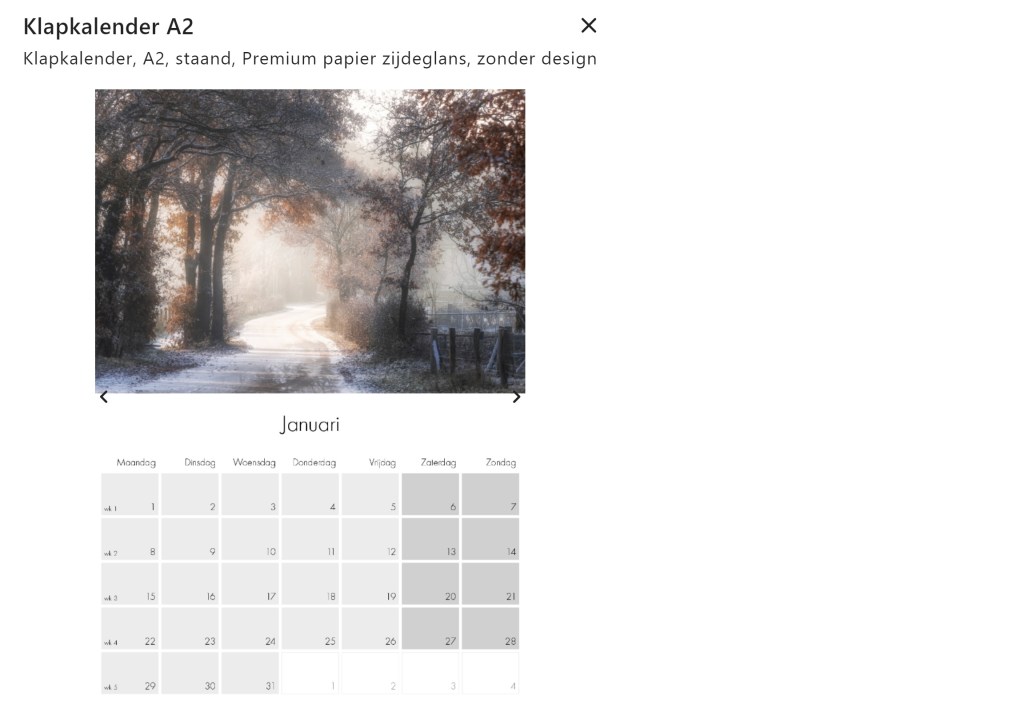
De tweede kalender, Betoverende Natuur in het Rijk van Nijmegen bevat foto’s uit een iets wijdere omgeving, zoals behalve de gemeente Heumen ook de Jansberg en de bossen rond Groesbeek. De foto’s zijn afgedrukt op premium matglanzend papier op A3 formaat. Daarnaast heeft de kalender een A3 planner – een echte kalender voor dagelijks gebruik dus! Bij mij hangt ‘ie in de keuken. Zo ziet de kalender eruit:

De kalender Heumens Mooiste kost € 27,50 (excl. verzendkosten), en de kalender Betoverende Natuur in het Rijk van Nijmegen € 32,50 (excl. verzendkosten). Geïnteresseerd? Mail naar johannekekroesbergen@gmail.com.

Open the windows!

In the woods, among the trees, in tunnels of green I feel connected to something larger. Nature nurtures my spirituality. This weekend, I will present some of my photography in a church – a spiritual place too. I took it as an invitation: how would I make this church my church?

As an adolescent, I rebelled against organized religion. In agreement, I wrote down quotes that described churches as cold storage silos where every divine spark was extinguished in the chill of authority, hierarchy and stifling dogmas. No, it’s nature I looked upon. Nature is free and does not judge. Wasn’t a majestic tree or a standing stone enough for people to meet God in the past? Wasn’t that as good?

Today I am more moderate. I like to visit churches. But wouldn’t it be nice to bring some of nature into the church as well? To open the windows, as it were? In my exposition, I took this idea as a starting point.

Awesome wonder

I am not the only one who feels inspired by nature. Through the ages, people have found God in trees, brooks, and mountain tops, and written and sung about it. The expression ‘awesome wonder’ comes from a beloved English hymn, where it describes the feeling of meeting something higher in nature. It is a wonder, an amazement at the beauty of creation; but it is also a feeling of awe and respect for a power greater than humanity. Awesome wonder became my motto and the title of this blog.

The feeling of awesome wonder, of amazement in awe, is the core of all religion, according to some: the mysterium tremendum et fascinans, the mystery that fascinates but inspires with awe at the same time. At the exposition, on the altar, I have placed three images that resonate with this idea: (wo)man in a cathedral of trees; an elephant, a gentle giant you don’t want too near to you; and the lion with his blind eye that seems to look straight into the spirit world.

If you are near Heumen this weekend, enjoy with me, in awesome wonder, of the majesty of nature in this exposition. And then, step outside and discover something beautiful!
Sankt Wendel

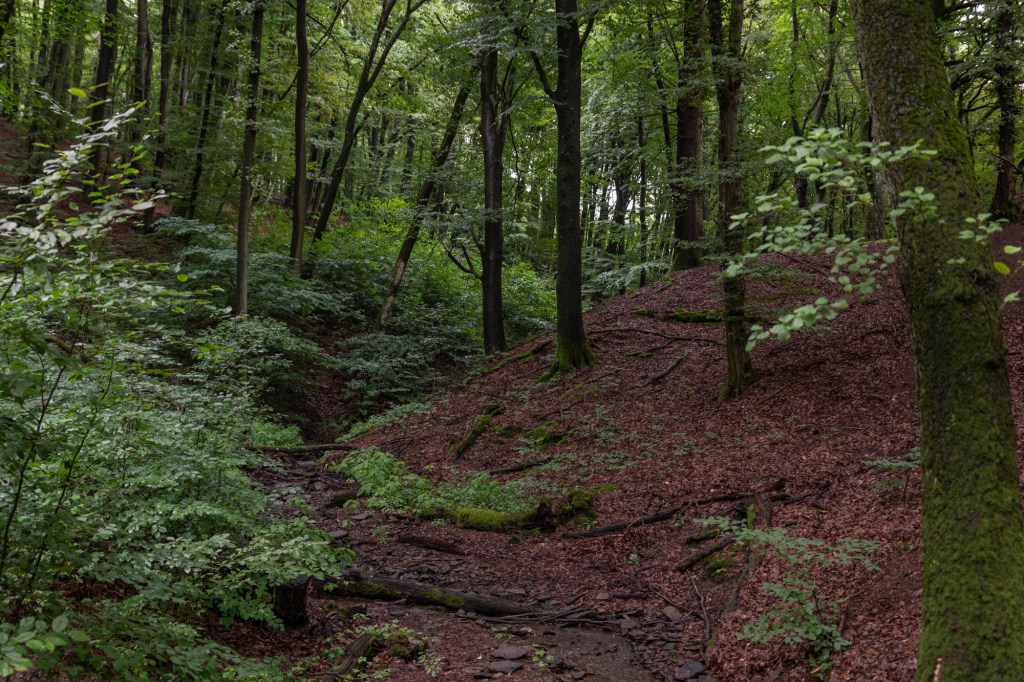
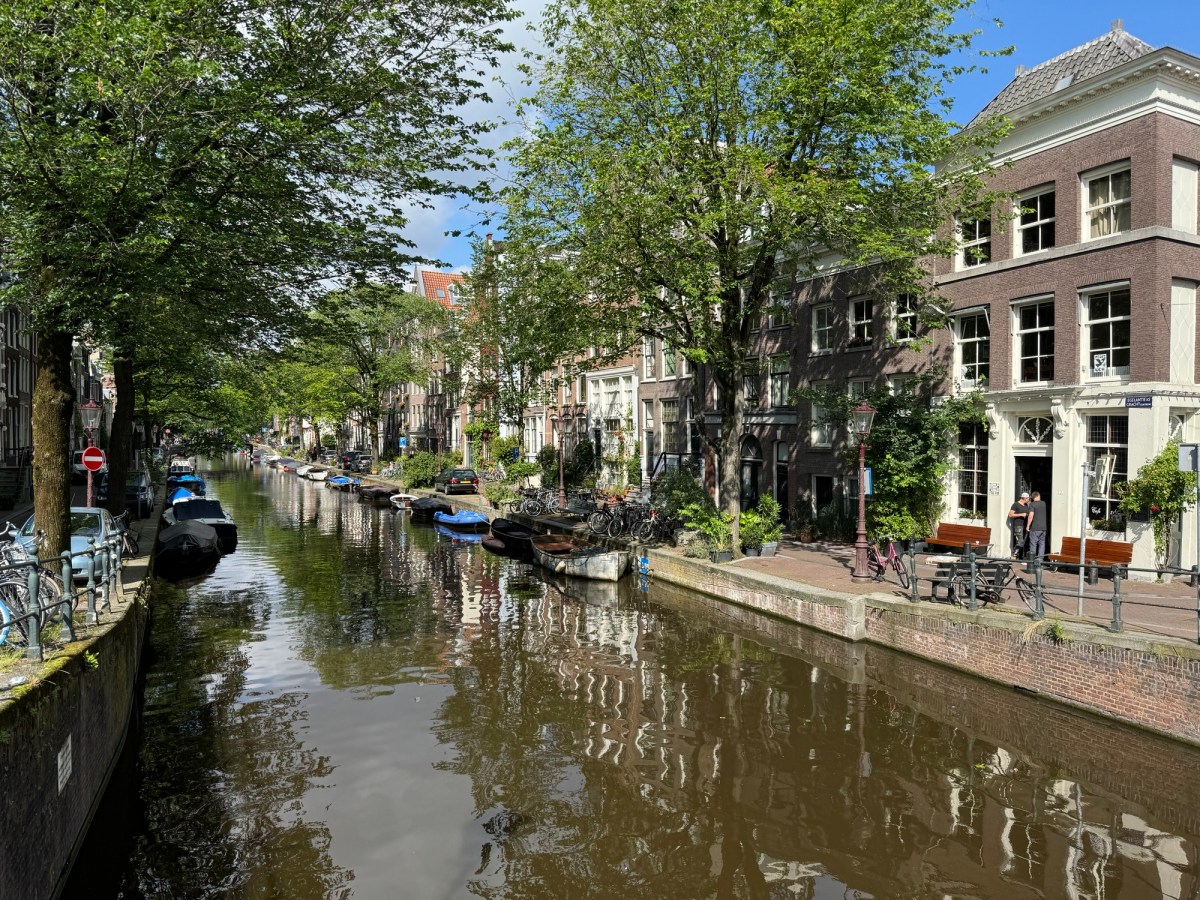
With the weather so rainy, we had to carefully plan our hikes. This day, rain was expected throughout, but with some dry spots between 10 and 12. So it would have to be a shorter walk! We chose a hike near the village of Sankt Wendel. Through beautiful beech forests and pretty gulches we explored the environment of St. Wendelinus, a (maybe) Irish monk who lived in this area in the 6th and 7th century.
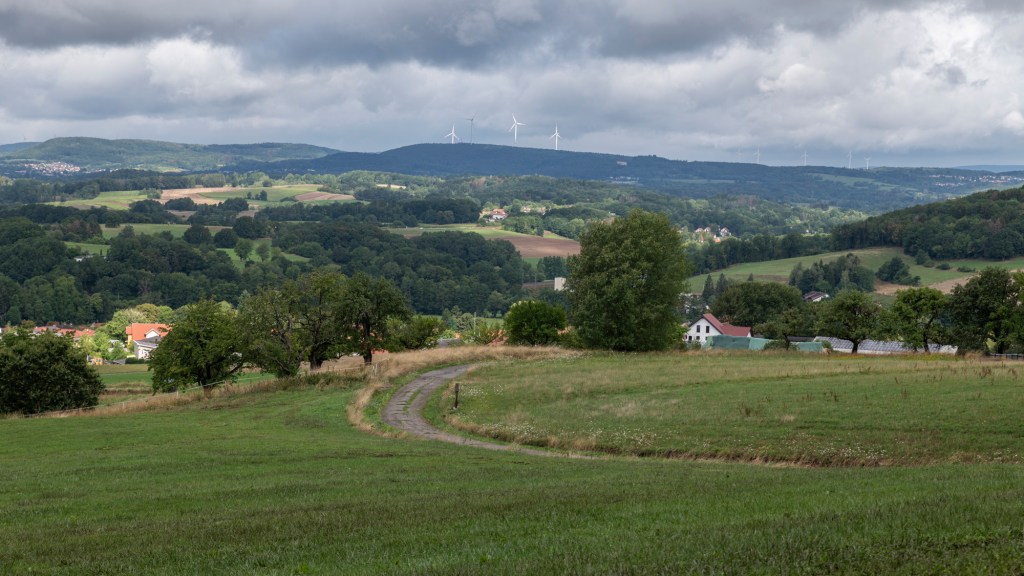
According to the legend, he was on his way back home from a pilgrimage to Rome when he asked to spend the night at a farm near the city of Trier. The farmer was unfriendly: “Why is a healthy young man like you begging for a place to stay and food with it? You better work for it!” So Wendelinus set out herding the farmer’s pigs, and later his cows, and finally the sheep. To his regret, it left him little time to pray. The farmer was impressed by Wendelinus’ faith and gave him a place where he could live as a hermit and devote himself to prayer. People from the vicinity came to Wendelinus for guidance in their day-to-day lives, especially when they had problems with thier livestock – according to one theory Wendelinus had received an education in Ireland, where the knowledge of the druids was taught in monastic schools. After living as a hermit for a number of years, he was asked to become the abbot of a nearby monastery.

We had lunch at the Wendelinushof, a farm named after St. Wendelinus, and visited Sankt Wendel, where the saint was buried. Actually, the monks in the monastery tried to bury him there, but they kept finding the body next to the grave. So they put it on an ox cart and decided to bury Wendelinus where the oxen would stop. This place later grew to be the town of Sankt Wendel.

Wendelinus’ story is interesting. Faith pays only a very minor role in it. Yes, he wants to pray and gets the opportunity to do so as a hermit. But the farmer and the other people from the neighborhood do not seem to be looking for a religious leader. The farmer seems to have a kind of vicarious religion: how good that you are such a faithful person – I’ll facilitate your religious life. The people who come to visit Wendelinus do so to get advice, especially on how to cure their animals and ensure their fertility. Wendelinus is an expert, an expert in faith even, in a time in which religion seems to be a business for experts only.

Waterfall experience

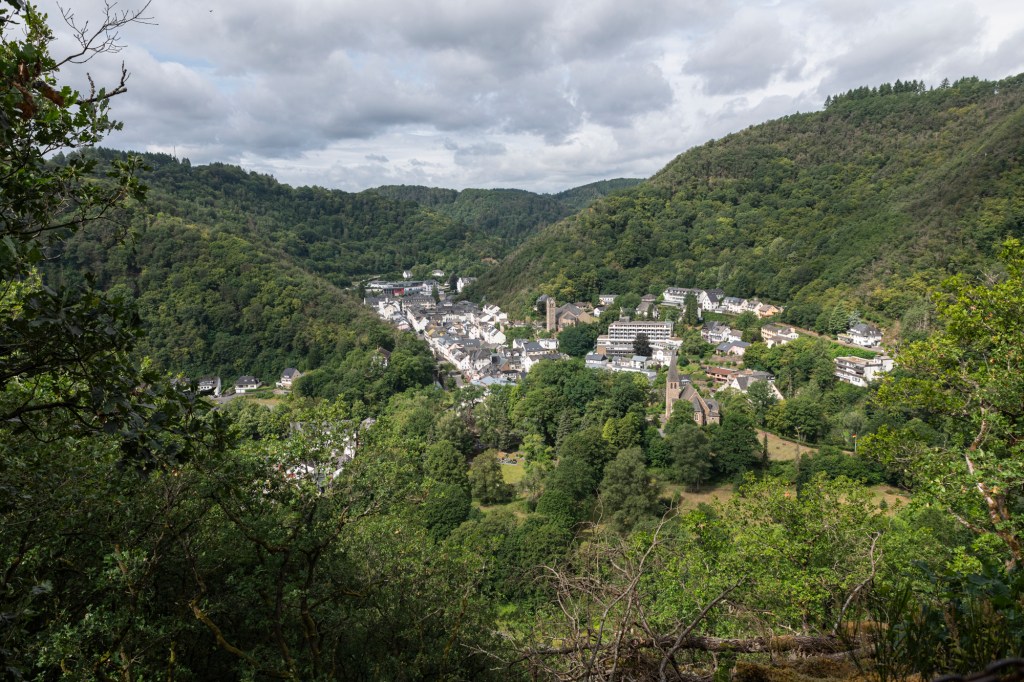
The Waterfall Experience route is a beautiful hike near the sleepy town of Bad Bertrich in the Eifel region of Germany. In the past this must have been a spectacular spa, but today many shops and hotels have seen better days.

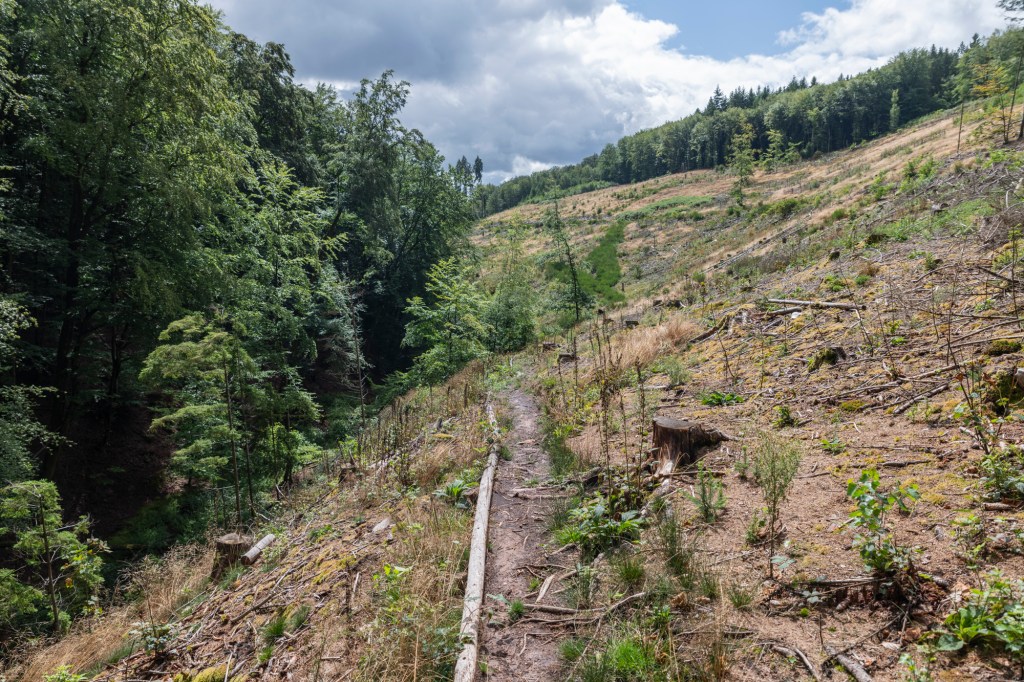
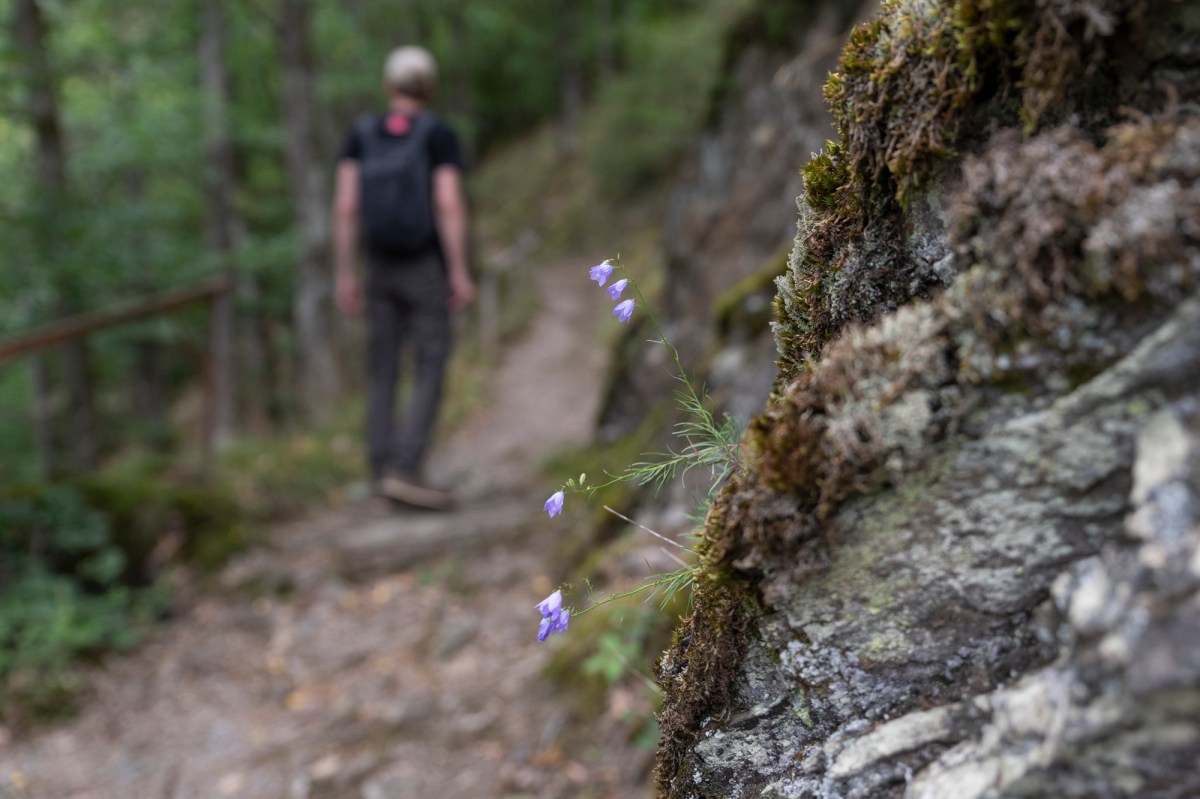
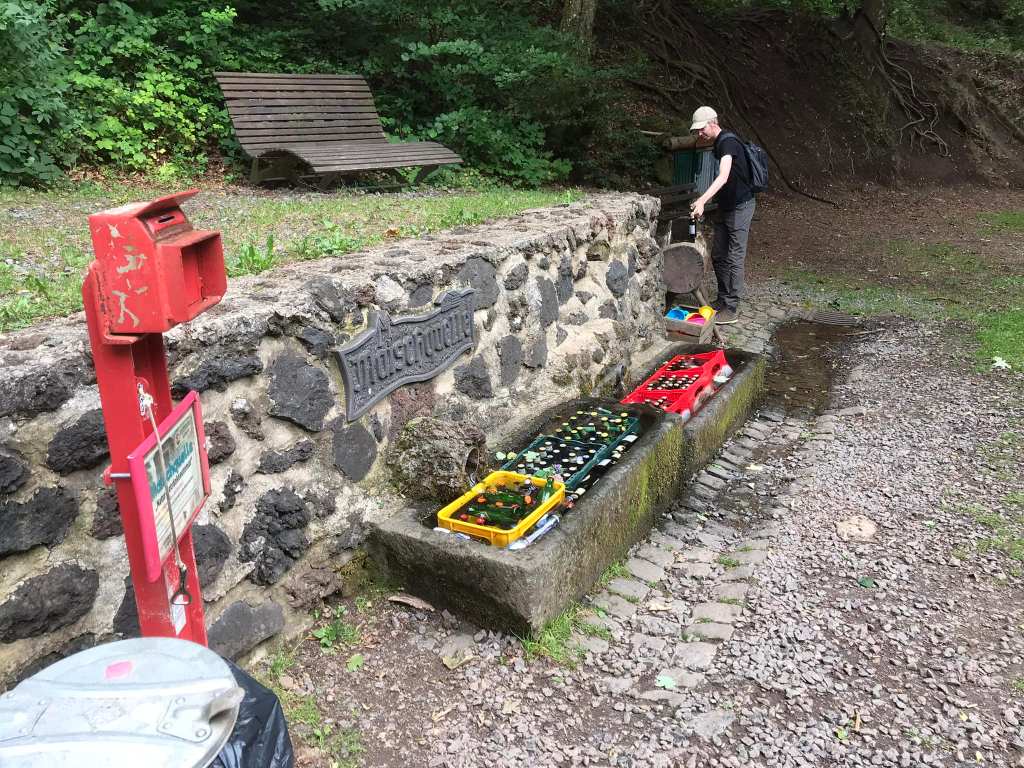
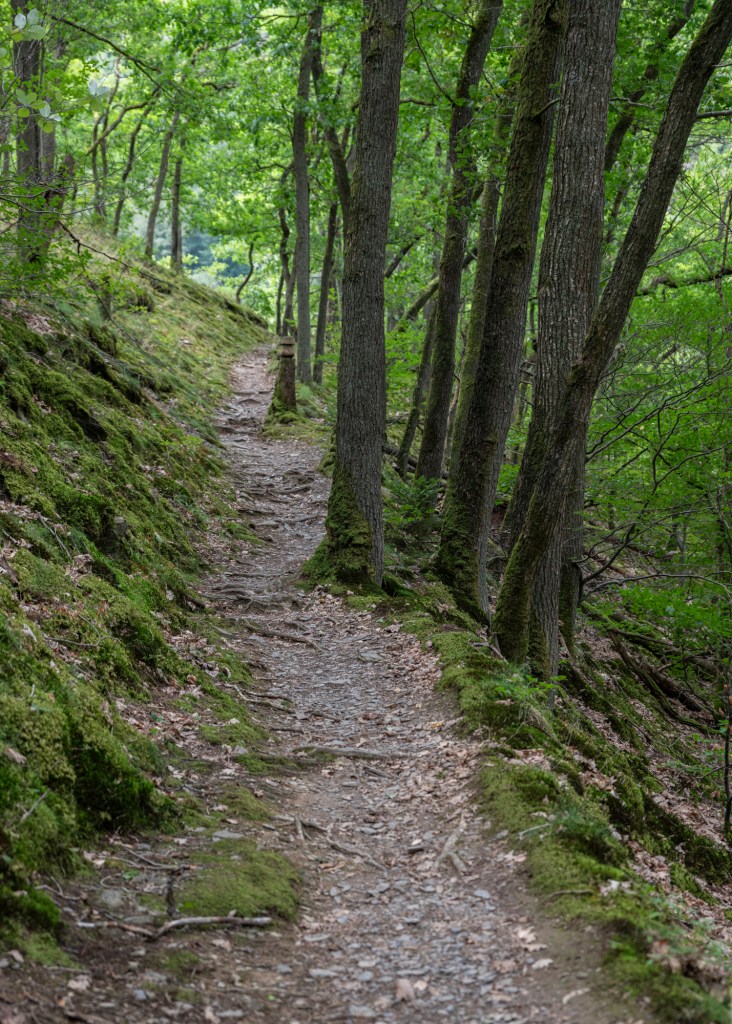
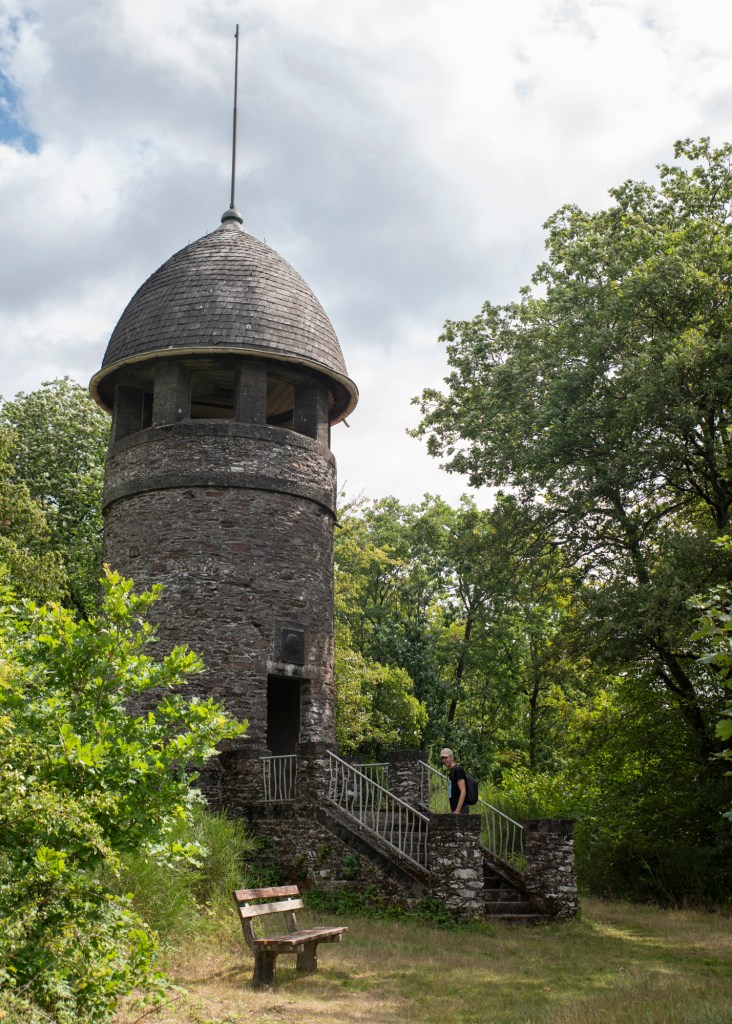
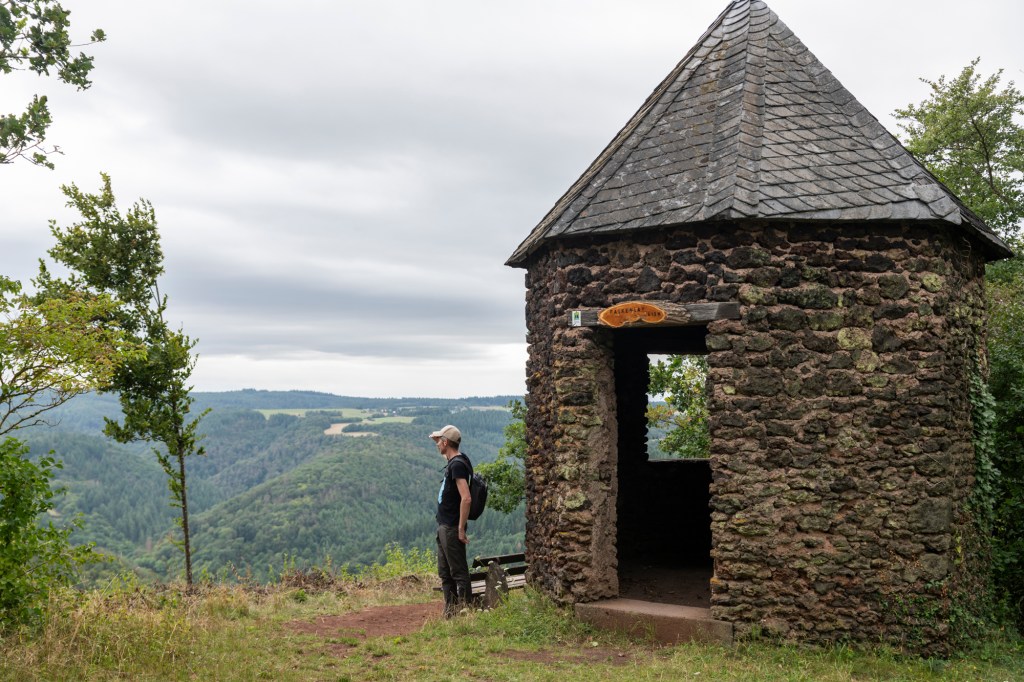
The hike, however, shines. There are steep hills to climp to get to the Bismarck tower, which looks like it is wearing Bismarck’s characteristic Pickelhaube. The hike also leads to the highest waterfall in the Eifel – still not too high or impressive, but an adventure to get to. After walking past a cave system that was in use in the Stone Age, the highlight of the hike beckons: a spring that is used as a beer cooler, with a cache for a voluntary contribution. It’s almost utopian!