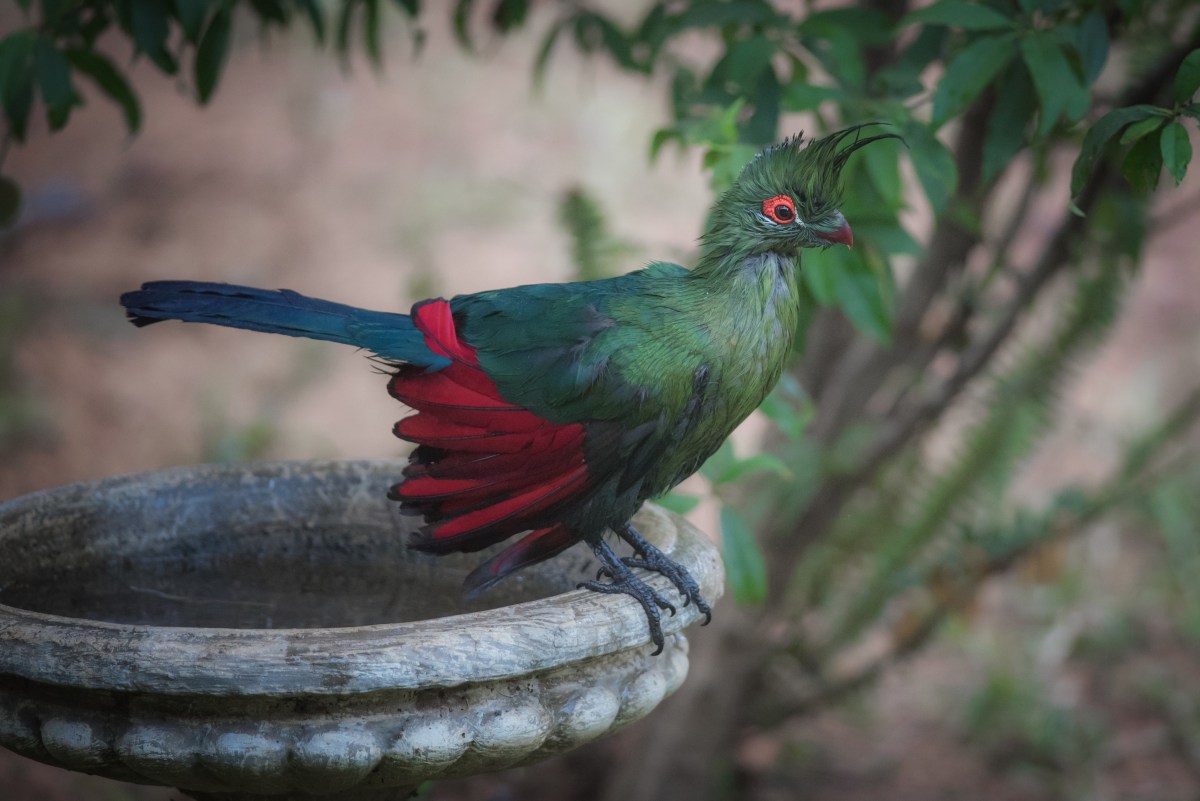
The beautiful Shalow’s Turaco looking a bit bedraggled after a bath on a hot day!
Photo taken in our garden in Lusaka, Zambia
The beautiful Shalow’s Turaco looking a bit bedraggled after a bath on a hot day!
Photo taken in our garden in Lusaka, Zambia
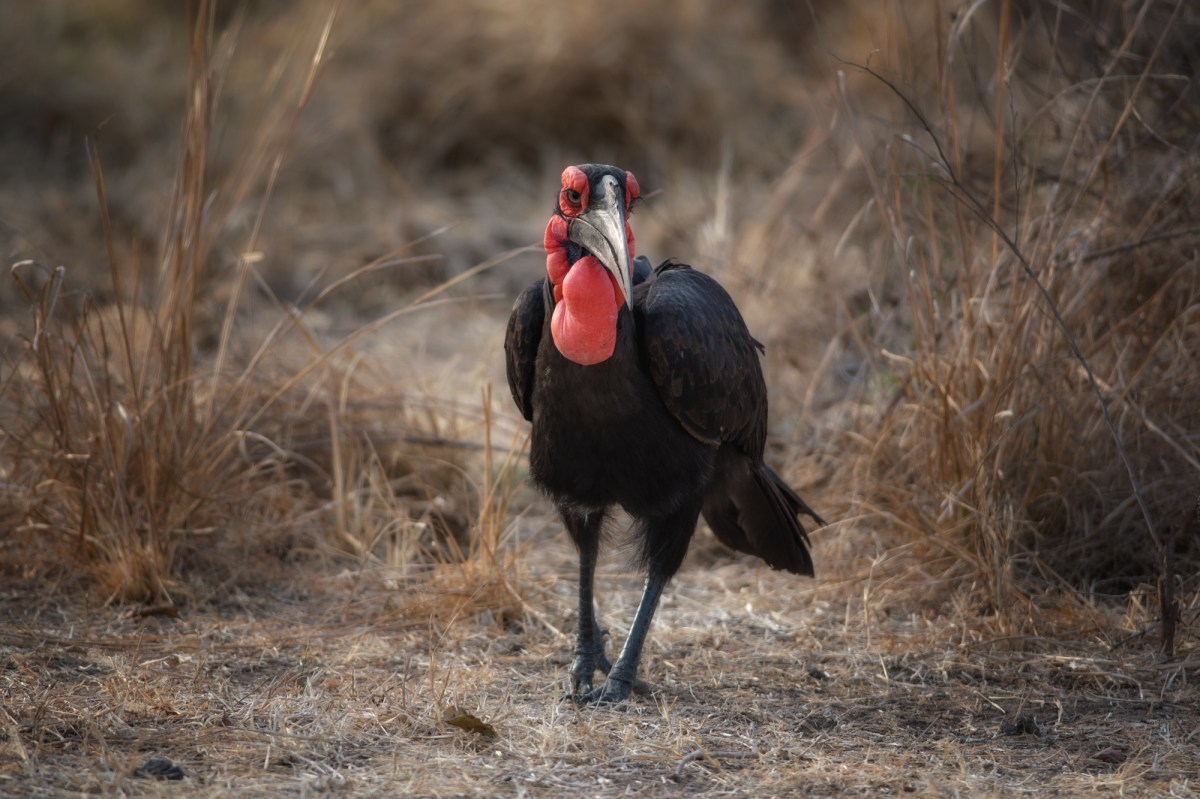
Southern ground hornbills live together in family groups consisting of males and females, adults and youngsters. They prefer walking around to flying, and while doing so they catch small animals like snakes, lizards, insects, and small mammals. The whole group takes care of the young ones, who are only able to live independently after two years. This long period means that southern ground hornbills can only breed every three years, making them vulnerable to extinction.
Photo taken in South Luangwa National Park, Zambia
A leopard hunting in the night, hoping to catch some tasty impala or puku.
Photo taken in South Luangwa National Park, Zambia
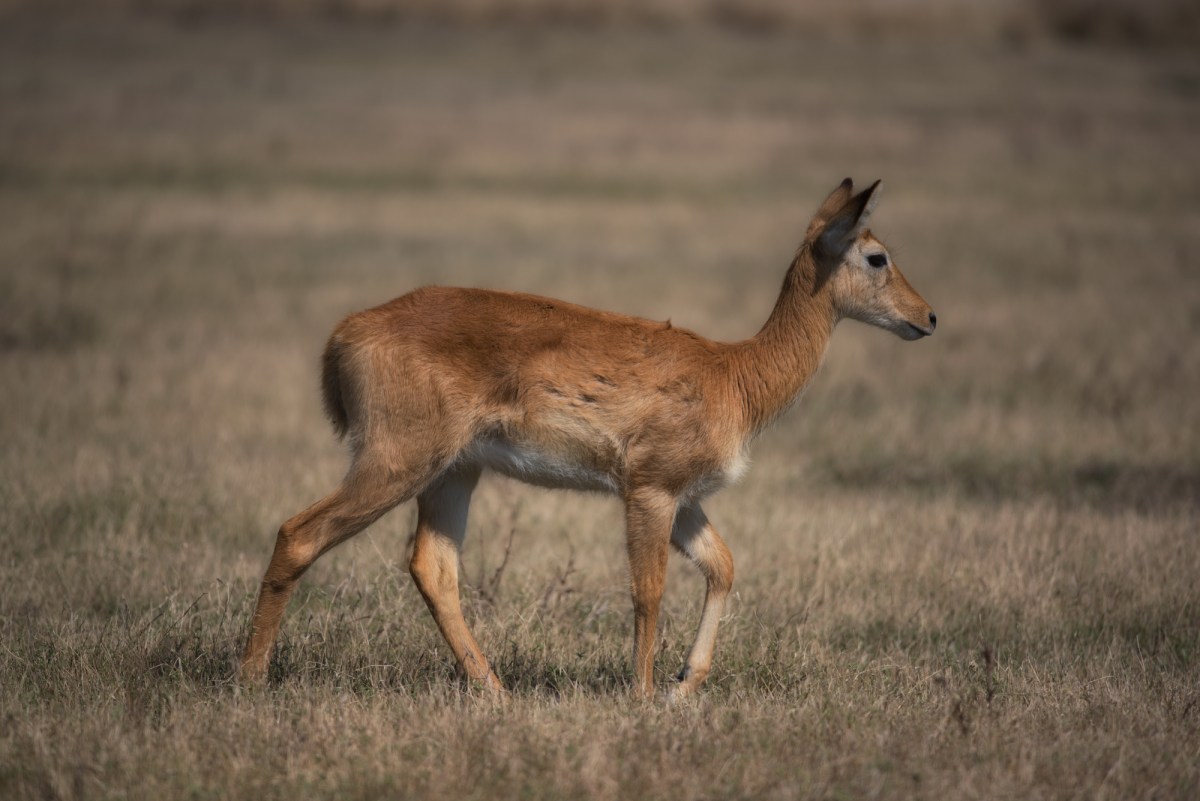
The puku is a relatively common antelope in Zambia. It can be distinguished from the impala by its more rough coat. Pukus like the marshy grasslands in the Kafue and Luangwa valley. The southern most region where pukus occur is Chobe National Park in Botswana.
Photo taken in South Luangwa National Park, Zambia
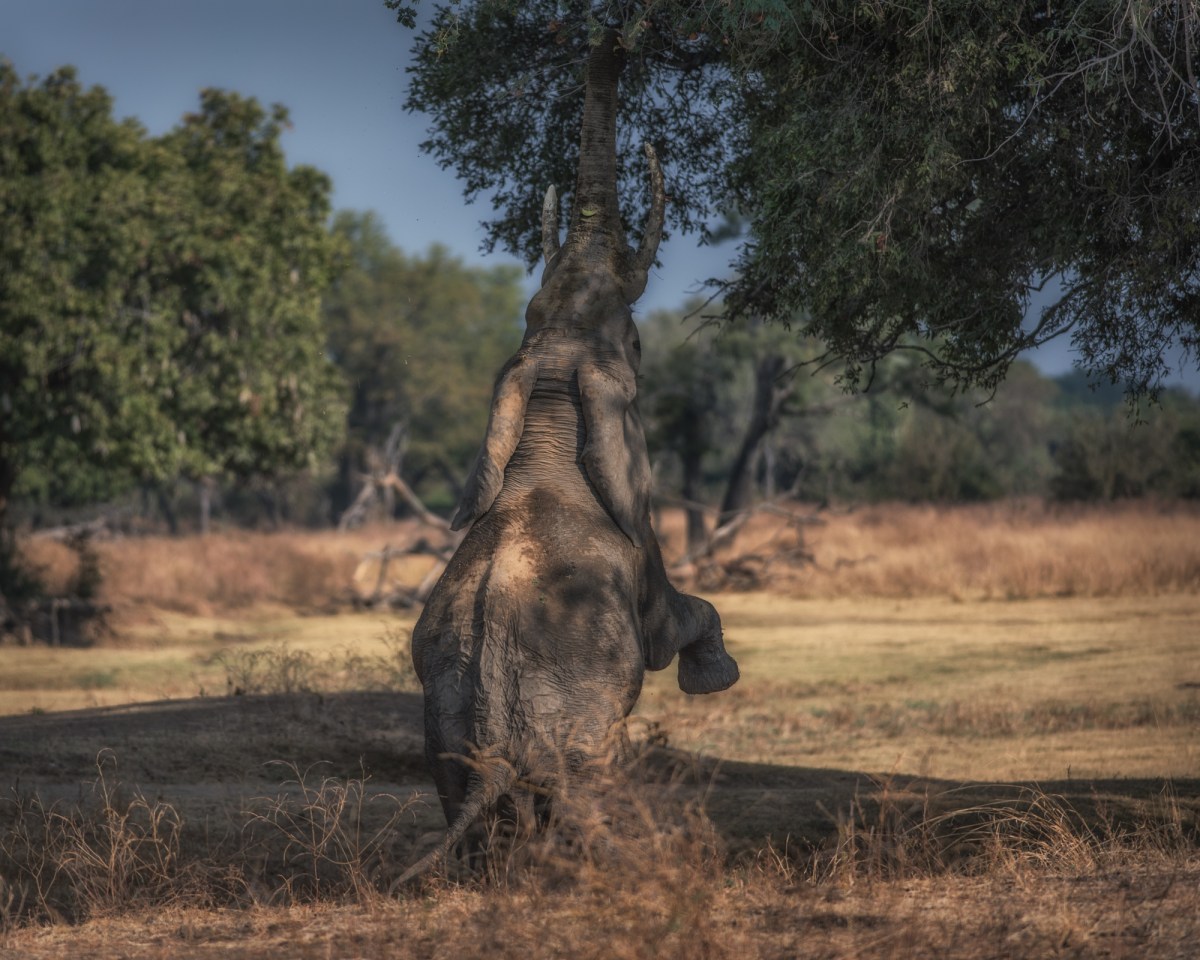
Sometimes, even big is not big enough…
Photo taken in South Luangwa National Park, Zambia.
A vendor in Luangwa Bridge market, selling hats, baskets and popcorn. He seems to be enjoying his own merchandise!
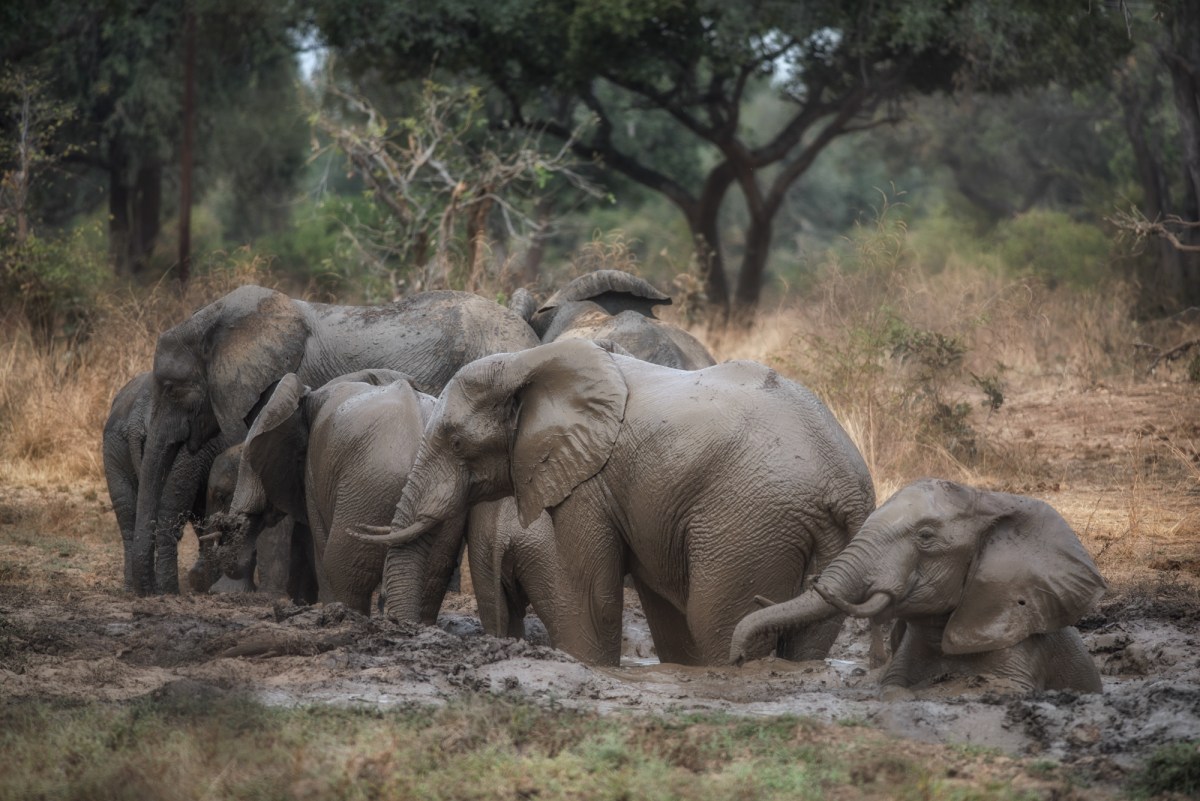
It’s getting hot in Zambia – and the elephants in South Luangwa National Park take the opportunity to take a refreshing bath.
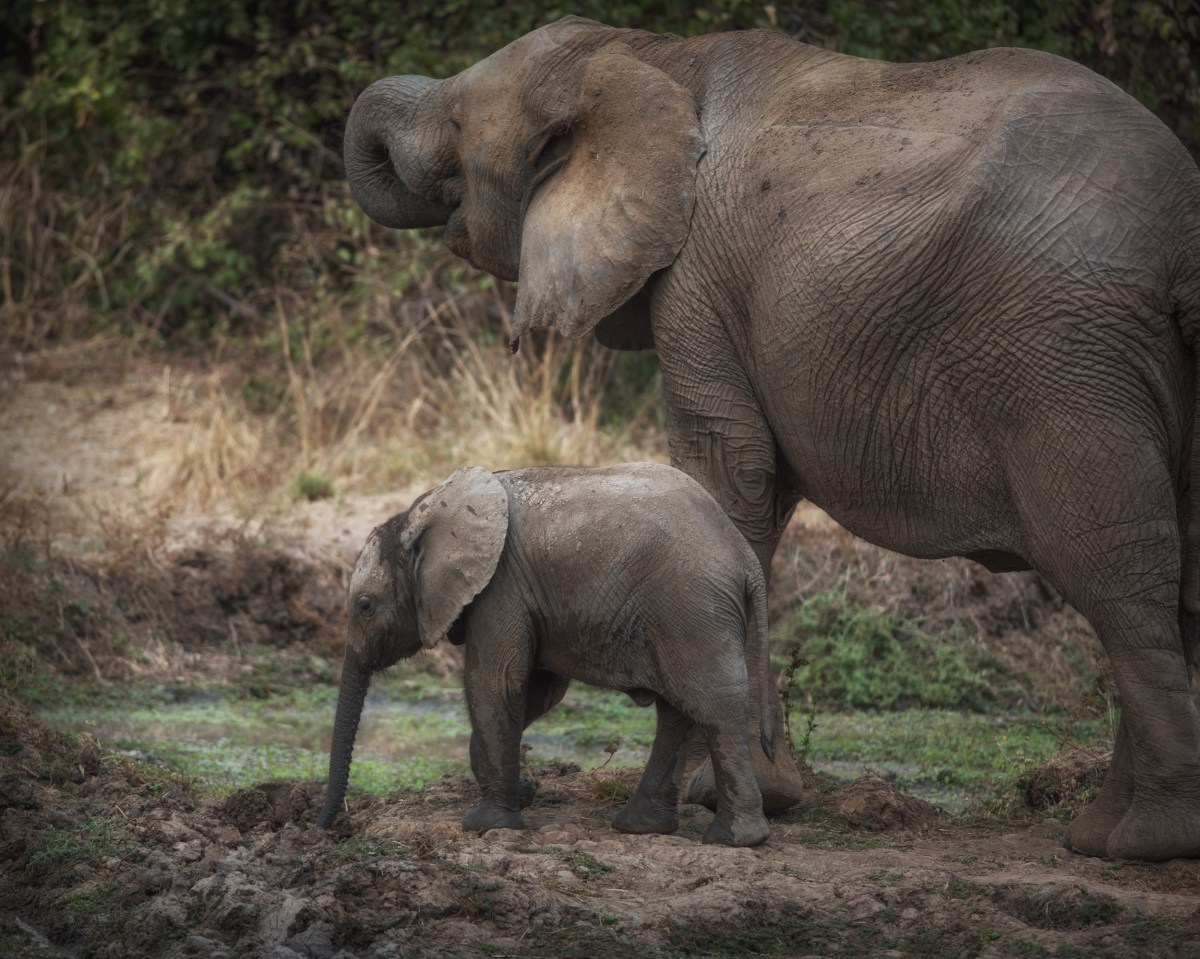
An elephant mother and her calf drinking at a waterhole.
Photo taken in South Luangwa National Park, Zambia
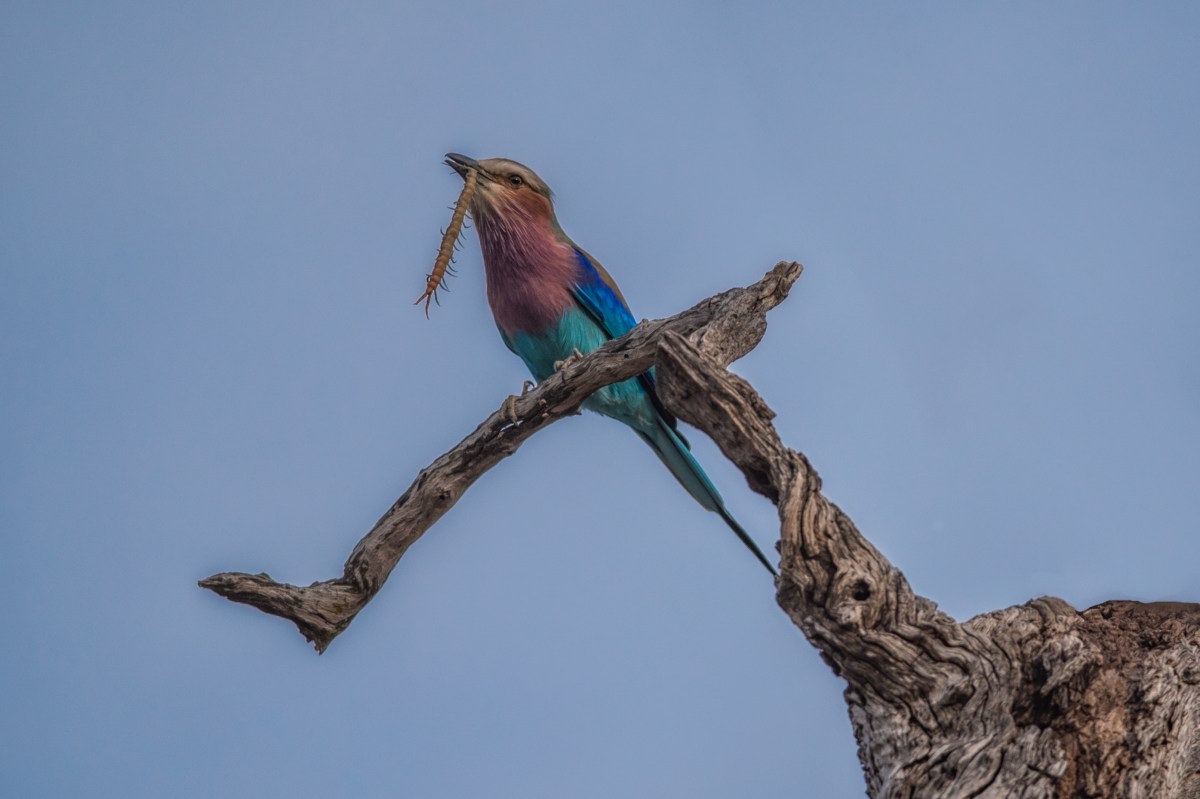
According to the saying, ‘the early bird catches the worm.’ It was already late in the afternoon when I took this picture of a lilac breasted roller with its catch. Maybe we should add: the later bird catches the centipede!
Photo taken in South Luangwa National Park, Zambia


 Awesome wonder