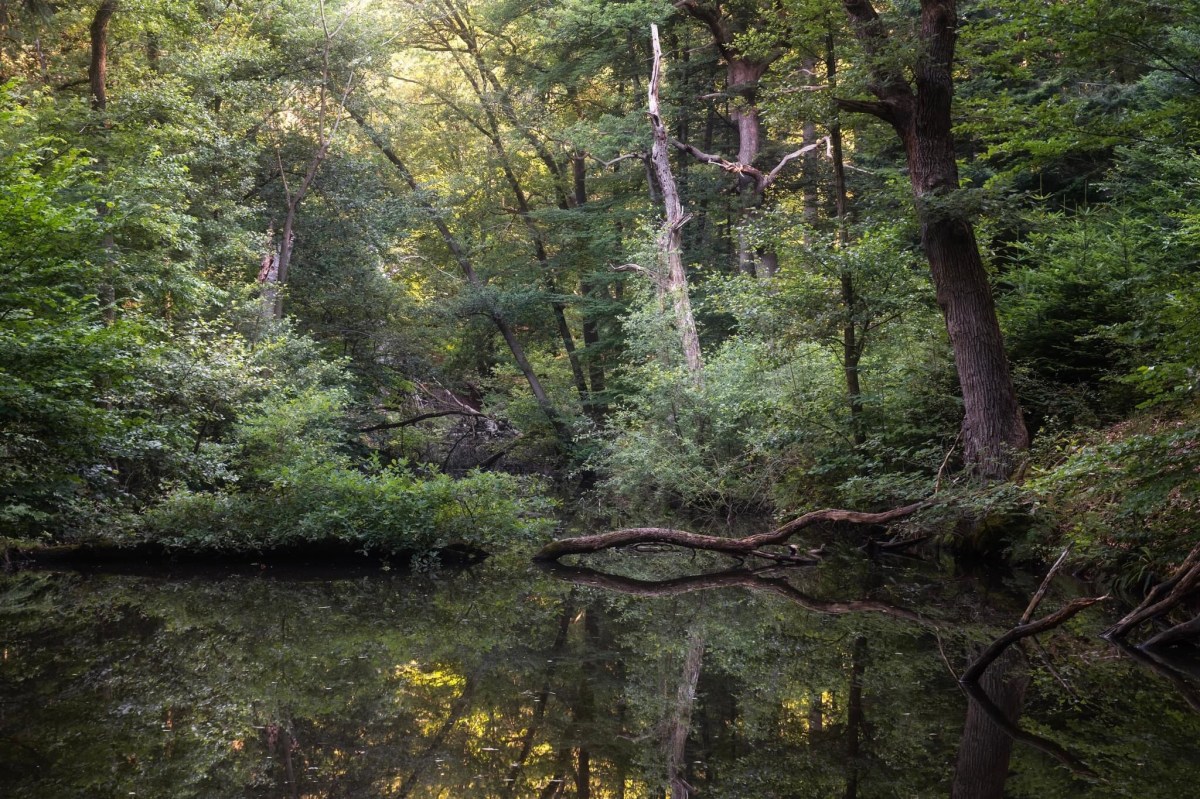
As we are walking the Walk of Wisdom trail, we discover new places around Nijmegen. But this stage was our home stretch, passing my favorite photo spots and Hermen’s jogging trail. What a beautiful environment!
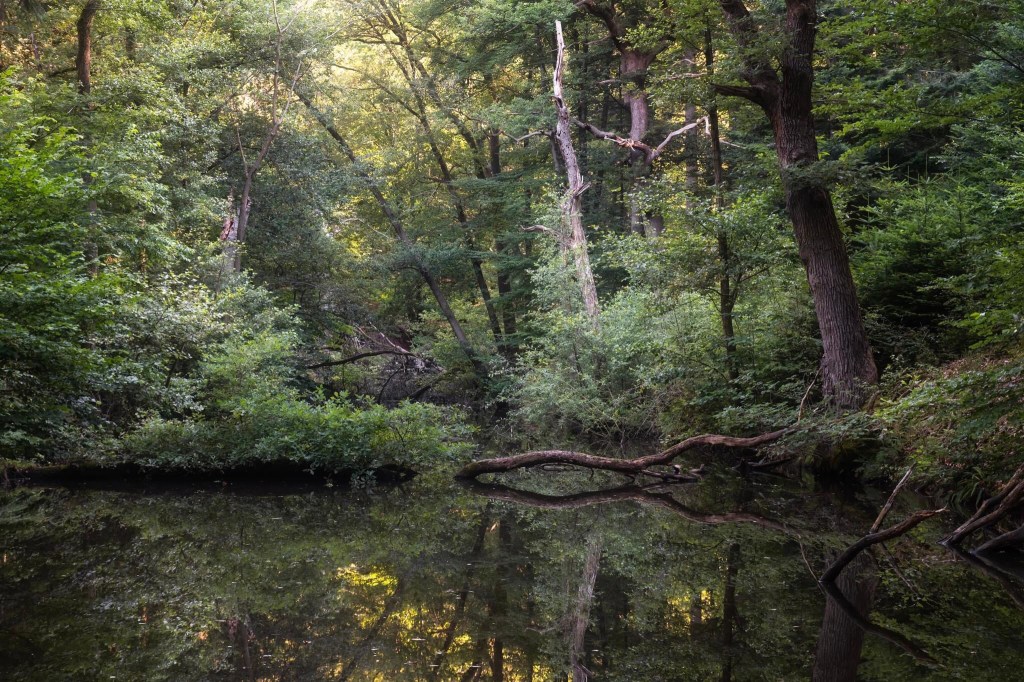
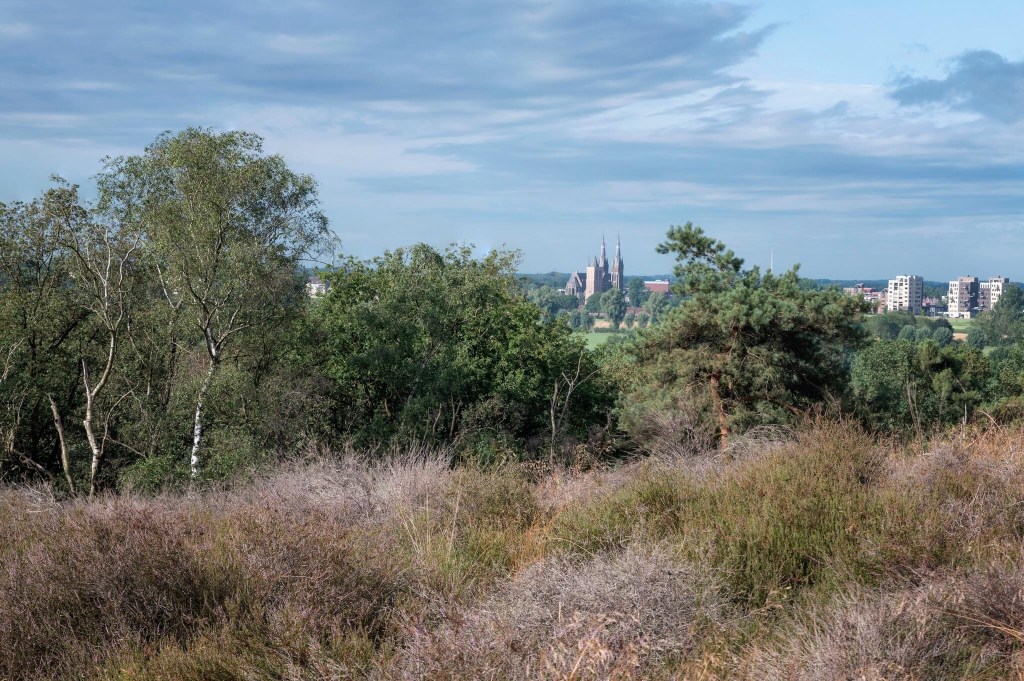

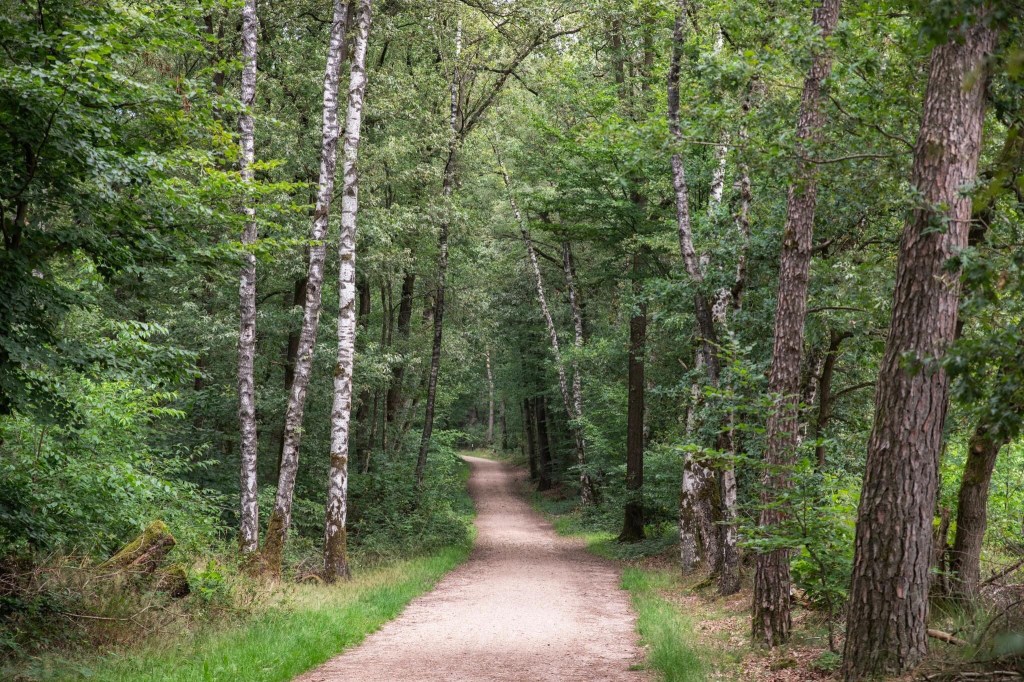
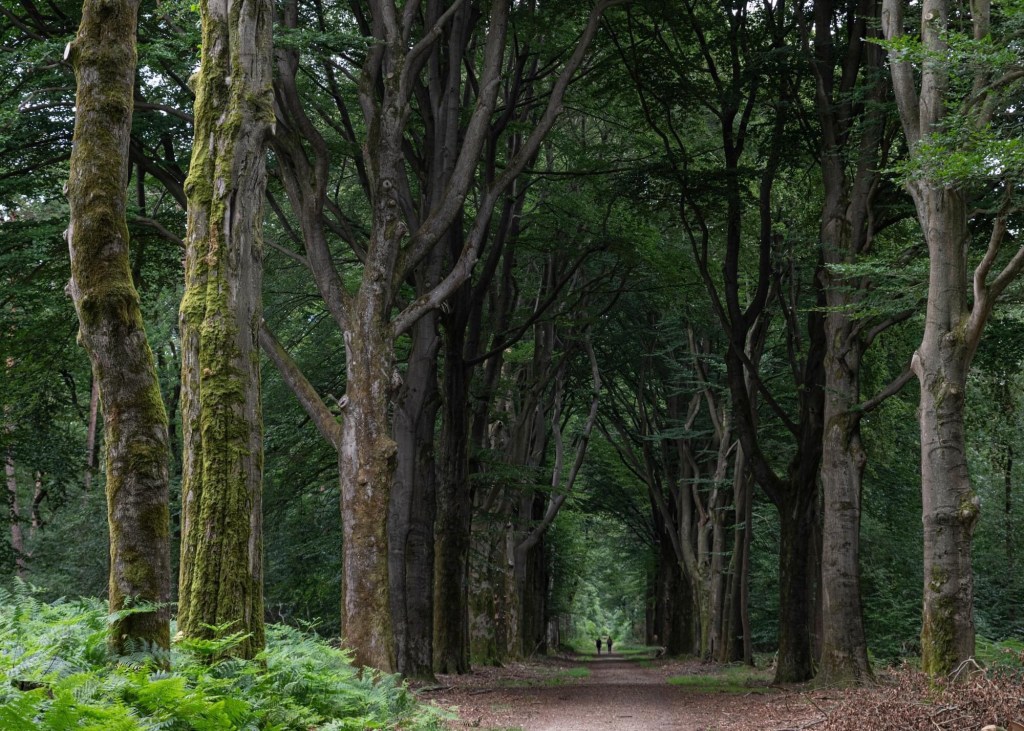
As we are walking the Walk of Wisdom trail, we discover new places around Nijmegen. But this stage was our home stretch, passing my favorite photo spots and Hermen’s jogging trail. What a beautiful environment!
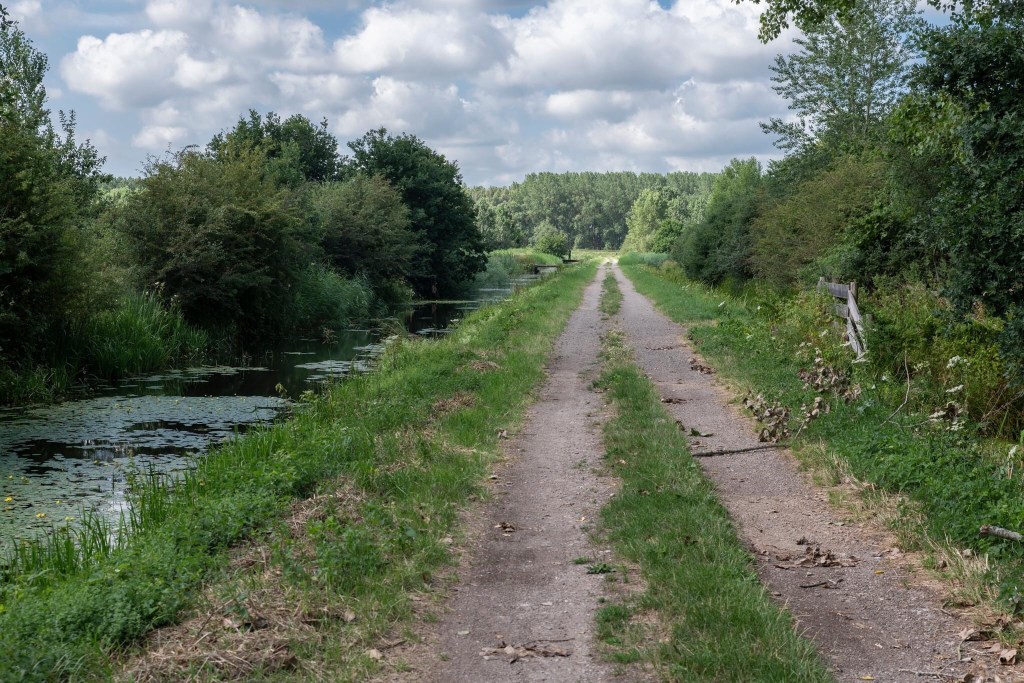
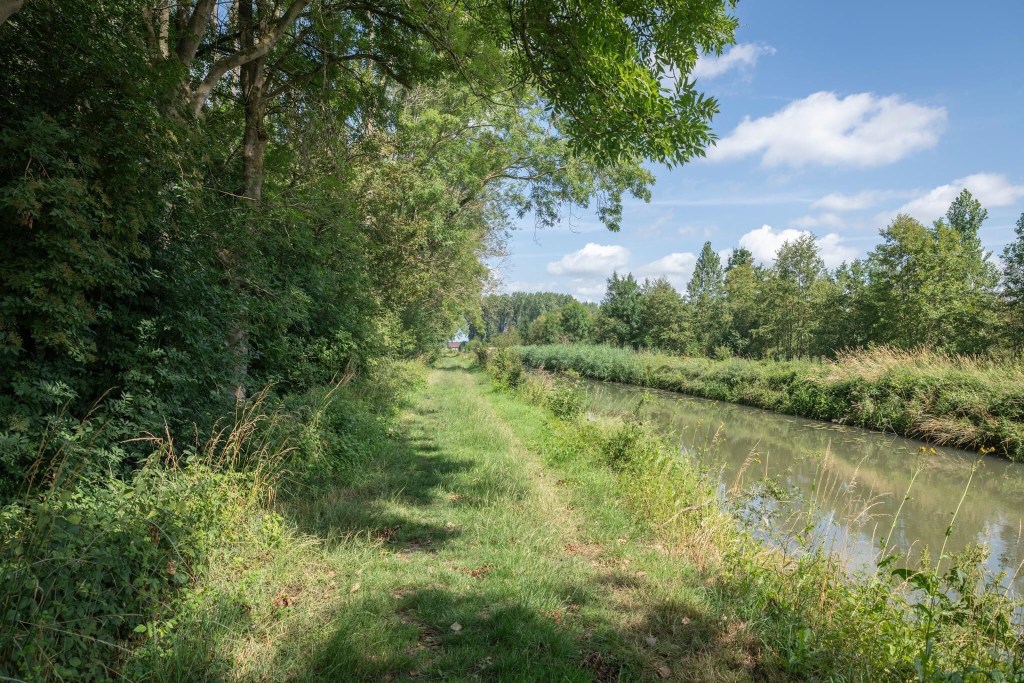
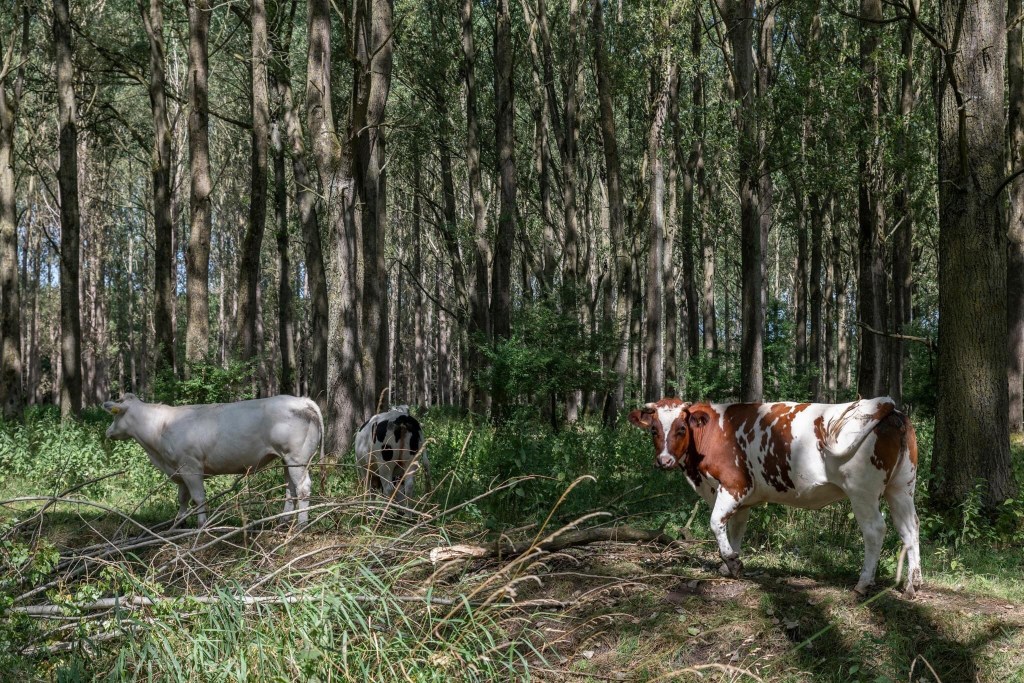
My plan for the summer is to do a long hike at least once a week, and since today’s weather promised to be the best of this week, I set out for a nice long walk this morning. I chose the NS walk between Culemborg and Beesd station, with beautiful Dutch scenery.
It was weird to suddenly realize I was walking on the Mariënwaard estate, where almost exactly 15 years ago I broke my back. I think I’m fitter today than before that day, but it has taken me very long.
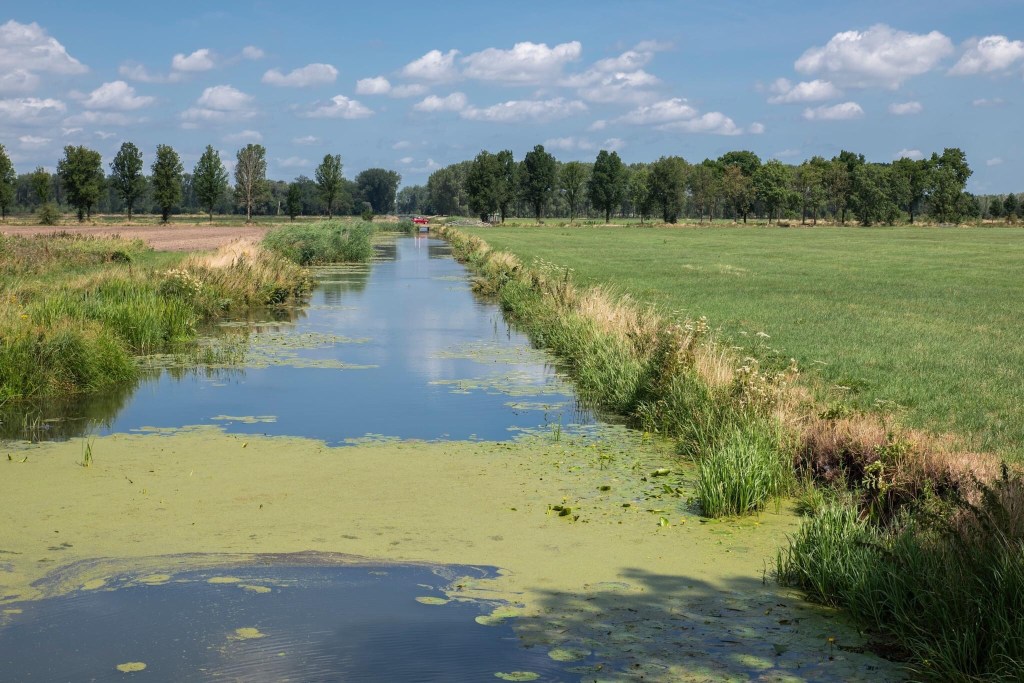
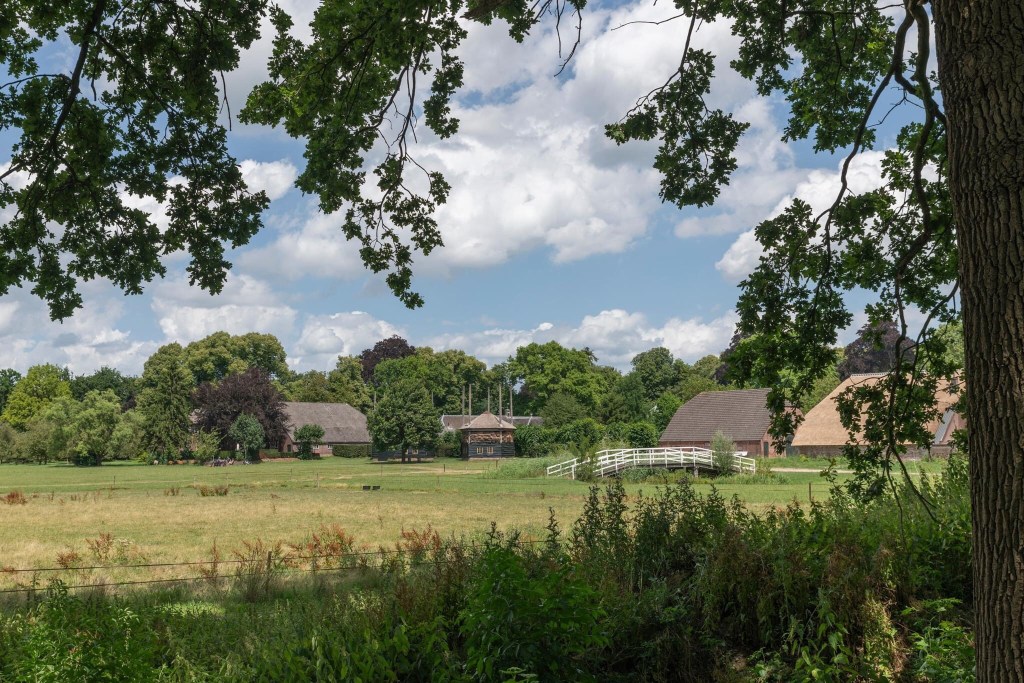
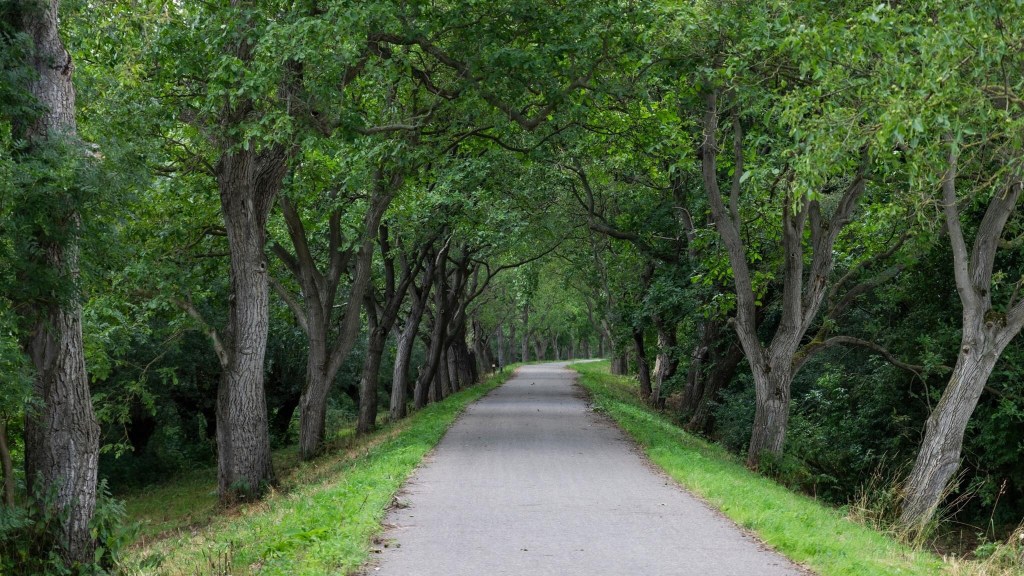
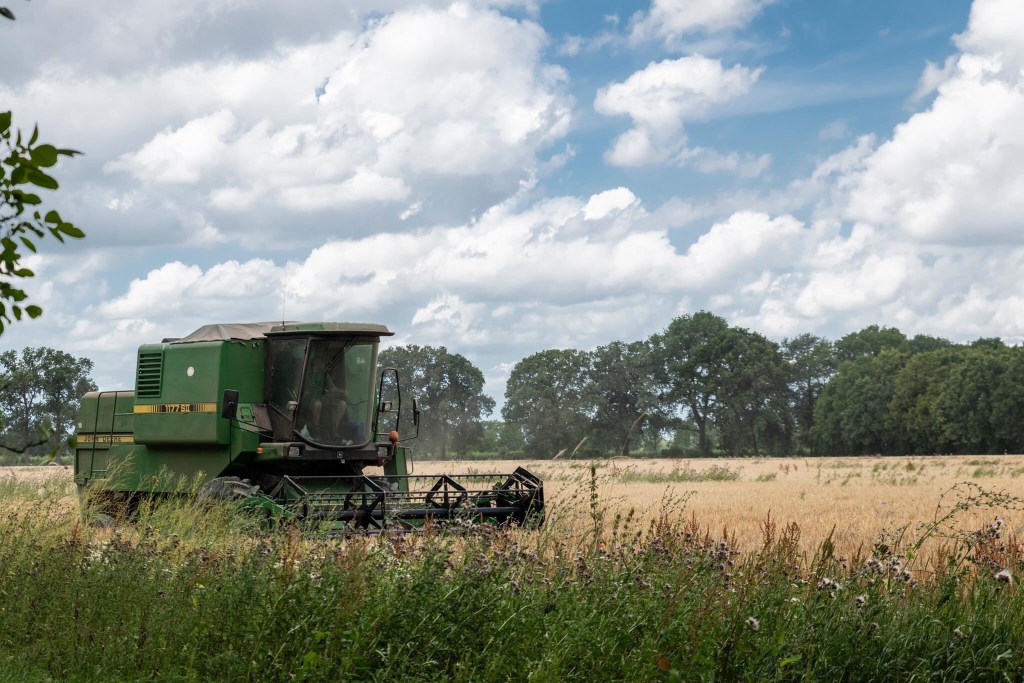
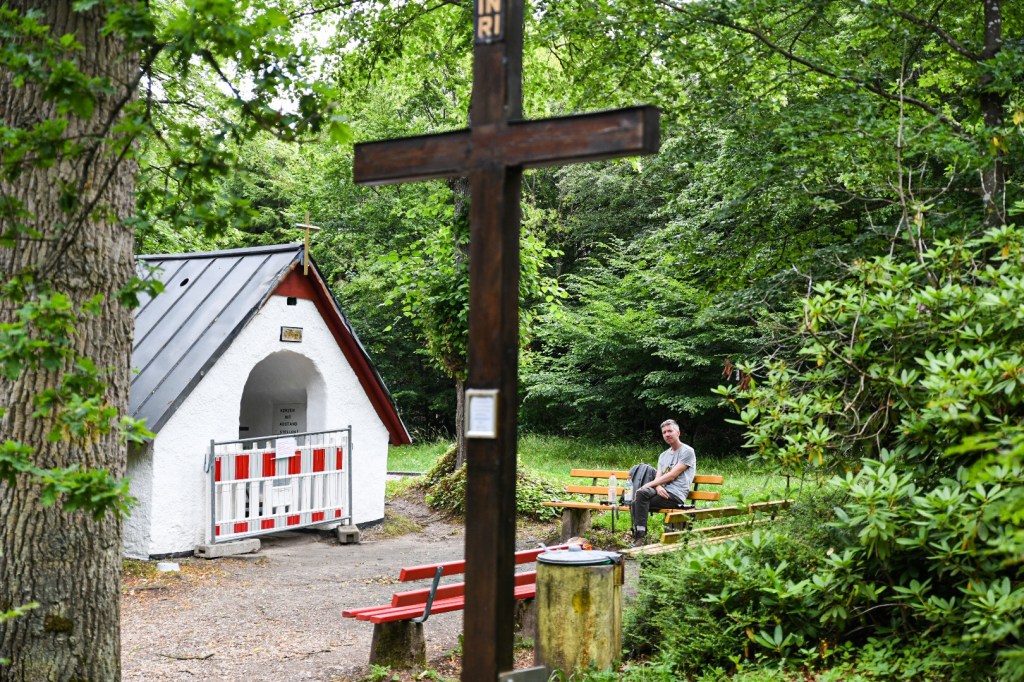
Today we visited a forest- and a field chapel. In the forest we found the chapel Dekke Tönnis – Fat Tony – for St Anthony. For fear of wildfires from candles the entrance was barred. Even more bars made the statue of the saint impossible to photograph. But it was a good place for a picknick!
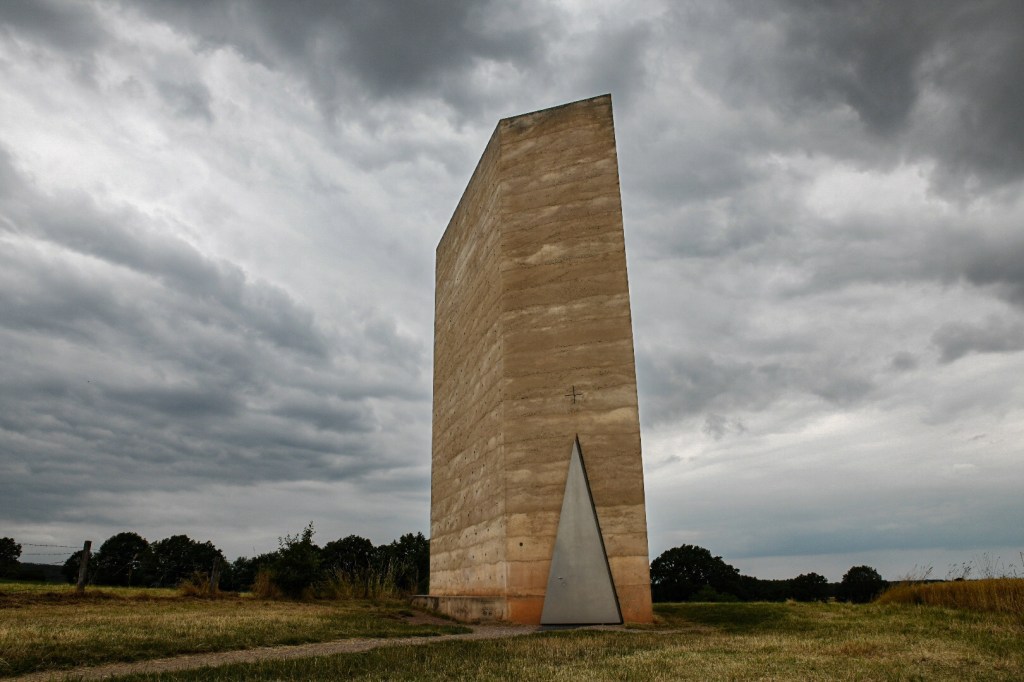
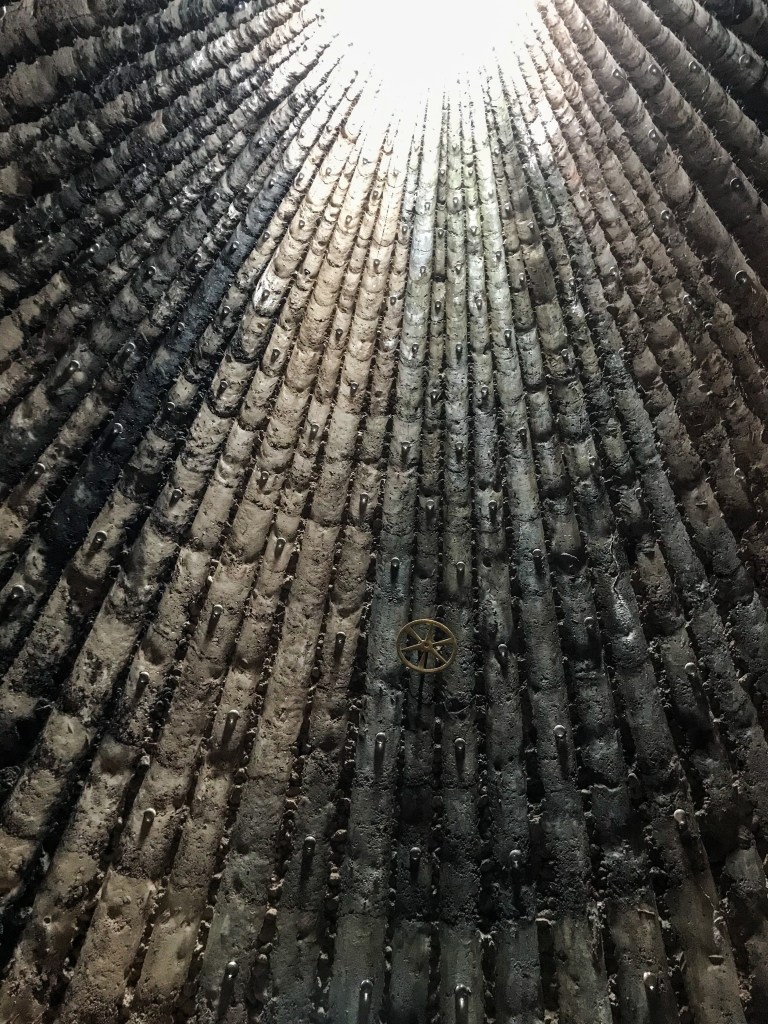
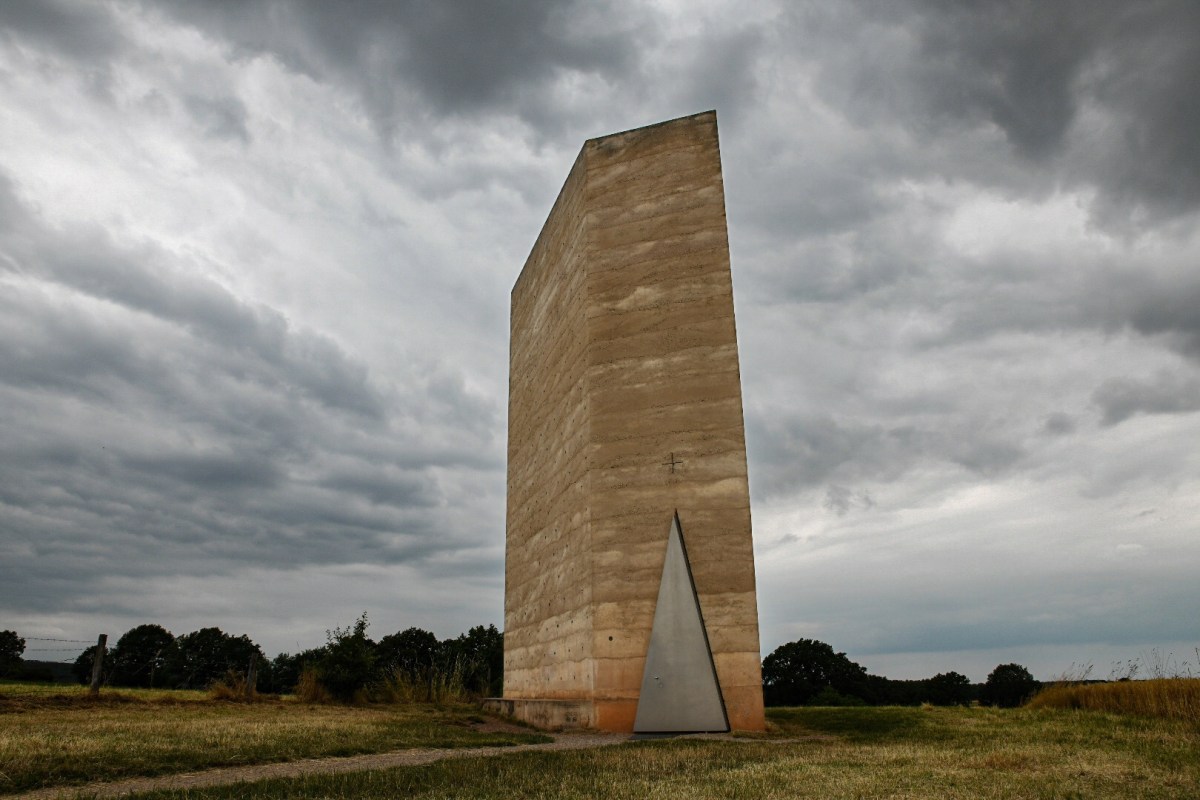
After hiking through the beautiful forest we went to the Bruder Klaus Feldkapelle – Brother Klaus Field Chapel – a chapel built in 2007 in a very modern style. Parking is a kilometer from the chapel, so it’s a brief pilgrimage to get there. From the outside, the building looks a bit like a climbing wall. Inside, there is room for two people, it’s a really intimate space with big marbles in the walls that let the light in. It’s beautiful and has a very special feeling.
We were awed by the destruction in Bad Münstereifel, still visible after the floods two years ago, but driving through the Ahr valley, we saw that it was much worse there. It’s unimaginable what happened there. We ended the day with Flammkuchen in Bad Ahrweiler, where the marketplace was restored.

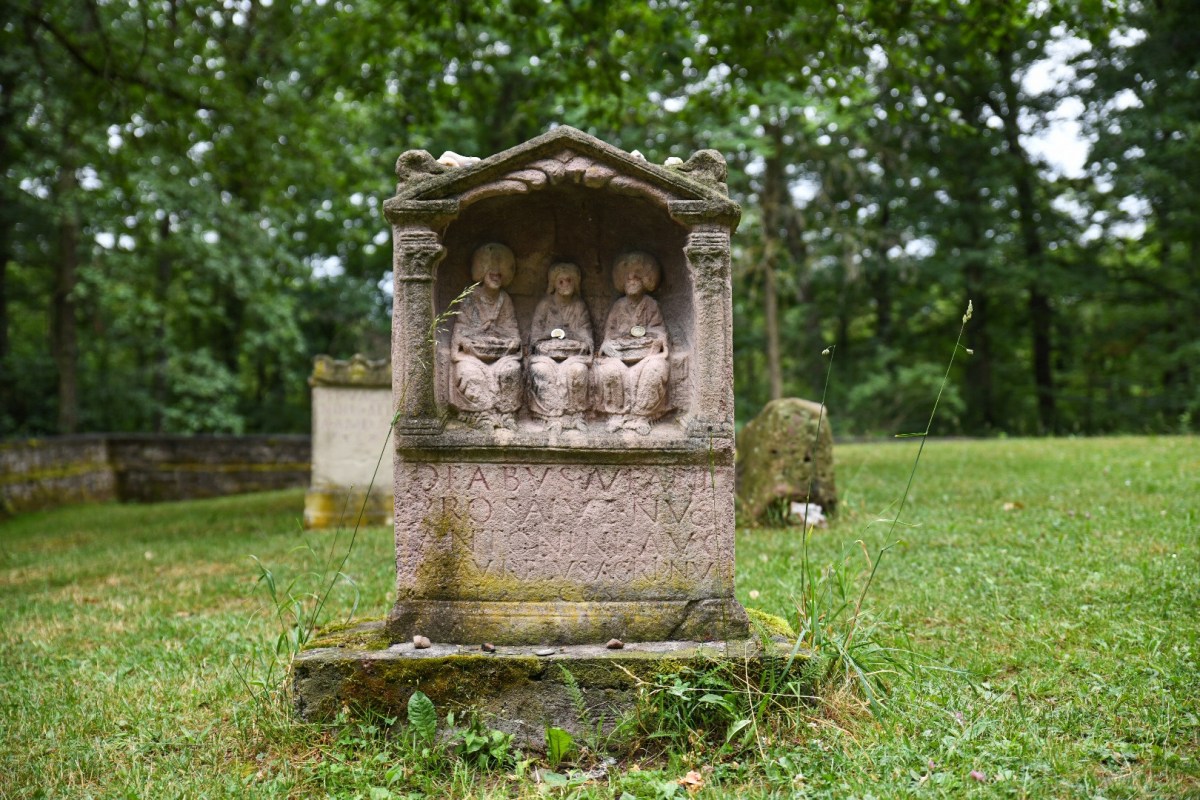
Did a beautiful hike today in the vicinity of Bad Münstereifel. A Roman sanctuary to the matrons – three goddesses – was very special to find. People had left some offerings, like Mexican coins and Dutch pre-Euro coins. They wanted to make a sacrifice but not one that’s actually worth something? What does that mean?
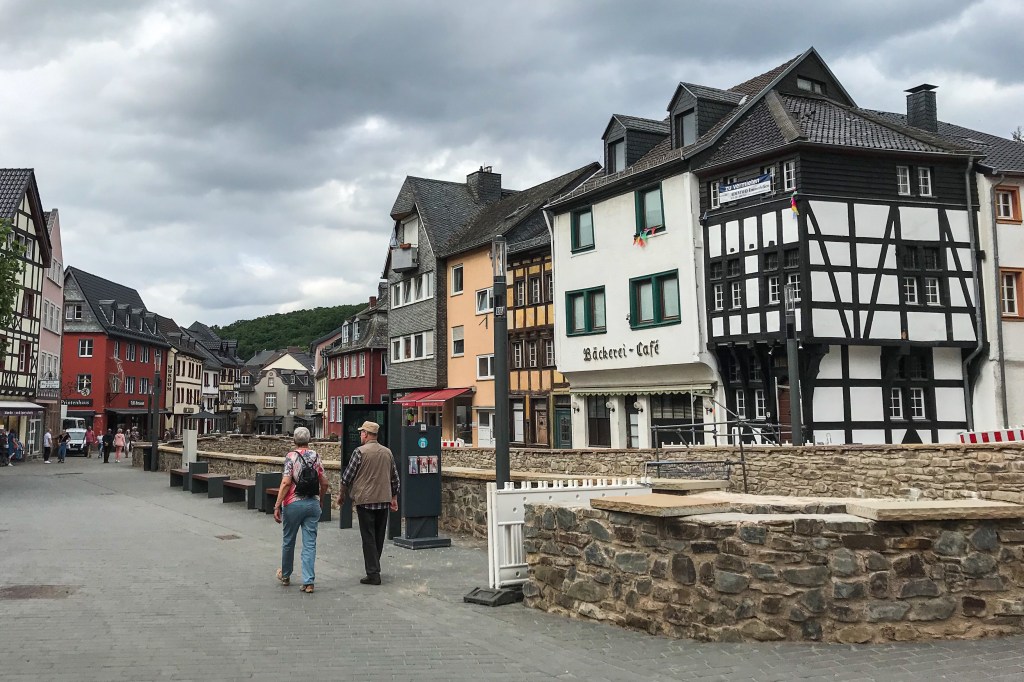
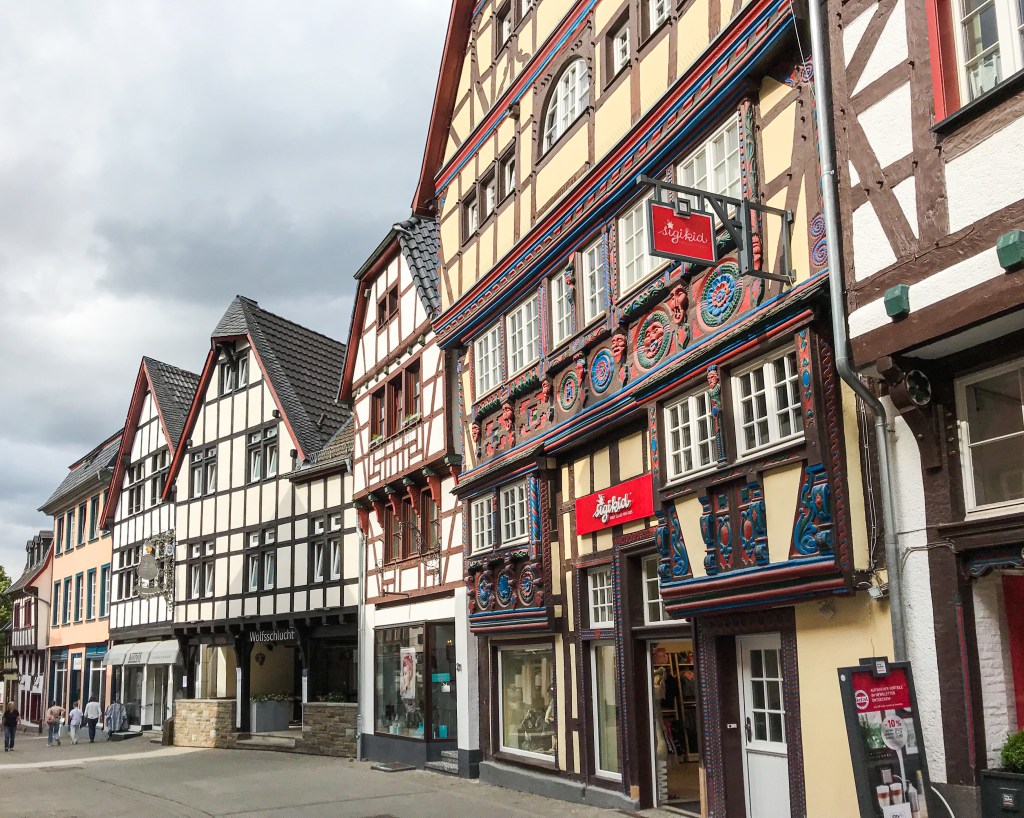
The town of Bad Münstereifel was badly damaged by the 2021 floods, now two years ago. The process of rebuilding is still ongoing, but it’s definitely worth a visit!




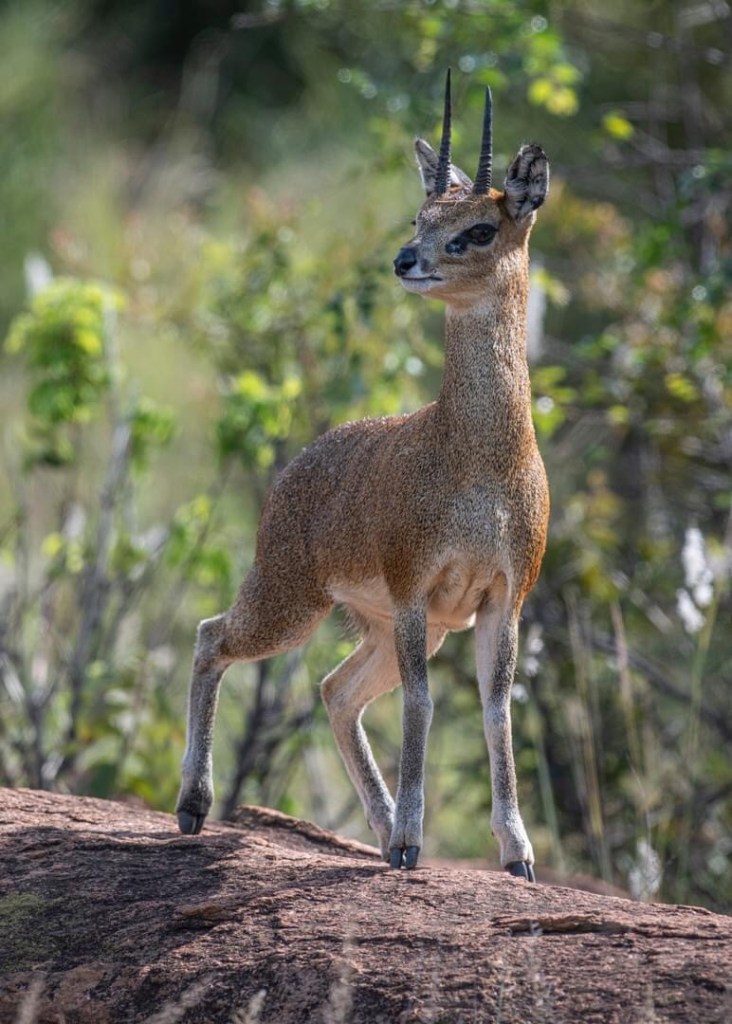
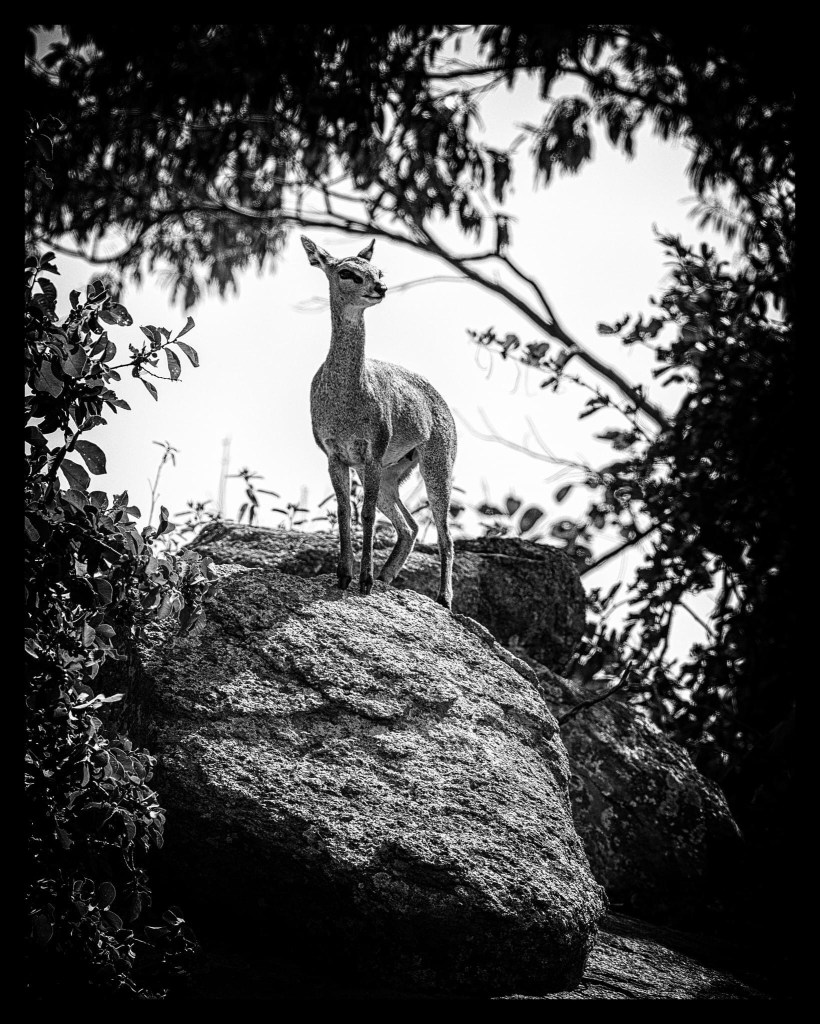
Another favorite: the klipspringer. Mrs. Klipspringer – without the horns – is slightly larger than her husband, and, when we saw them, also decidedly more brave. She had already crossed the road in front of our car when he was still checking us out from a nearby boulder. He decided that we were not safe and darted away – and then she had to go back as well, of course.
Klipspringers feel safe on the rocks, so that’s where you will find them. If you look at their hooves, it’s like they are walking en pointe like a ballet dancer. They are unbelievably quick when they scamper up a rock to get to safety.


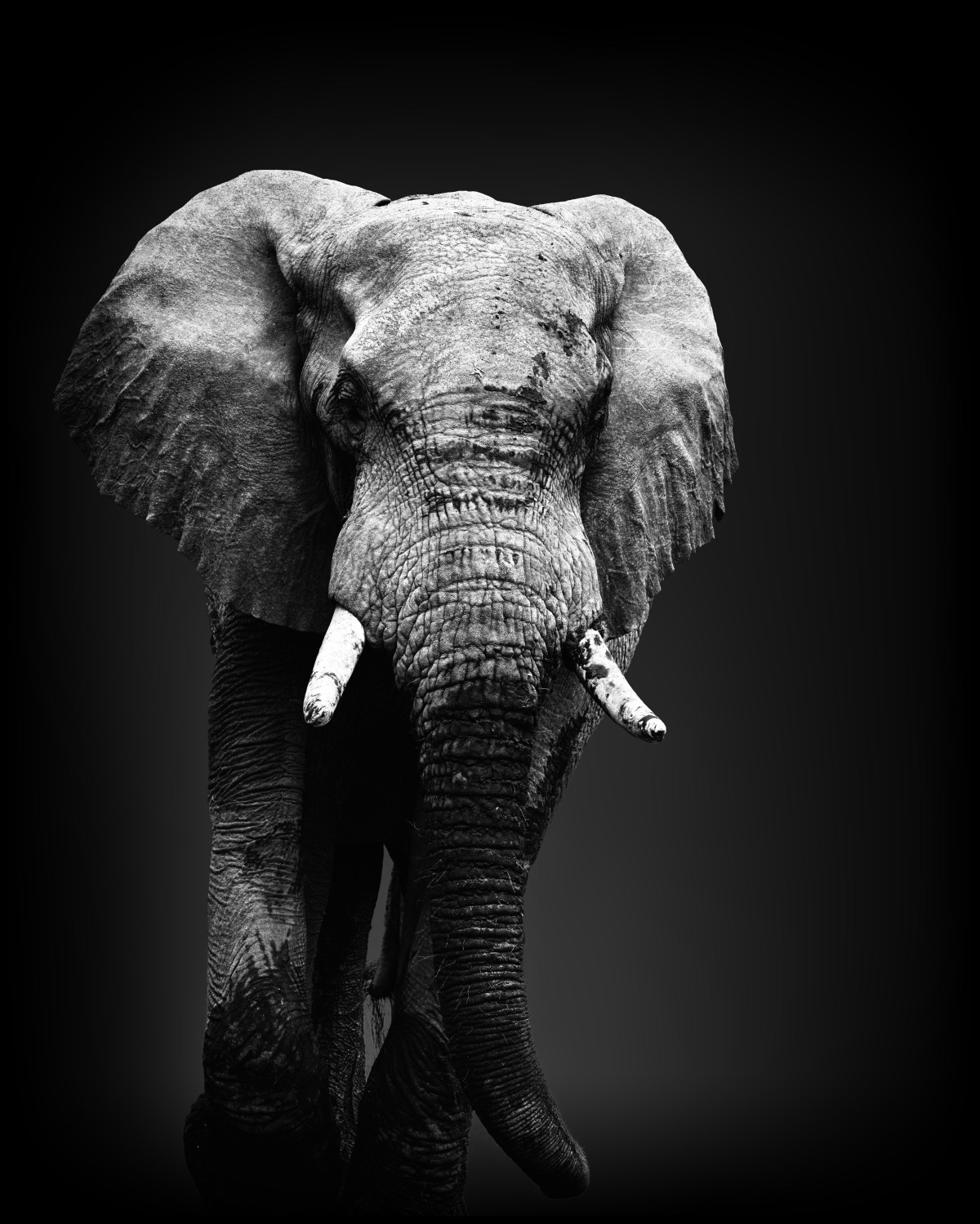
The first elephant we saw on our recent trip to Pilanesberg was steadfast in his conviction that the road was his – and his only – to walk on. He was right, of course!
Mapoza is a stunning lion and the dominant male of a pride in the Thornybush Game Reserve. His right eye is cloudy because of either a birth defect – a congenital glaucoma – or an injury early in his life. Whatever the cause, it hasn’t hindered his success in life!
Of all the photos I took during our trip at KwaMbili Game Lodge, this is my favorite. As a friend said: His right eye is his spirit eye with which he looks into the world of the ancestors. That’s absolutely believable!
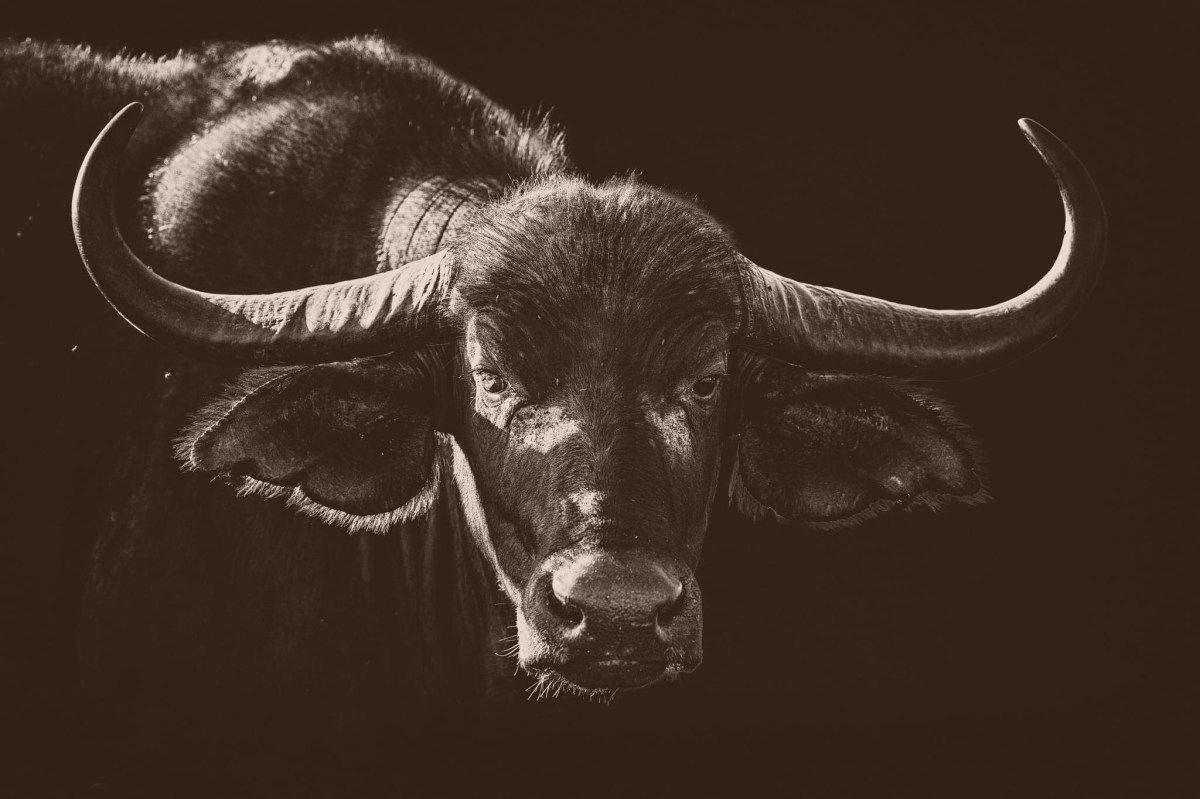
Where the male buffalo’s horns touch each other on the forehead, the female has skin and hair. The horns are no less intimidating though!
Rhino populations have been under heavy pressure from poaching. They are poached because some people believe that the horn of a rhino has medicinal qualities, and trade in rhino horn is very lucrative.
In the past years, there has been an effort to dehorn rhinos in several South African national parks and game reserves. A dehorned rhino has no value to poachers, so this is an effective way of protecting them – and the incidences of poaching have dropped significantly as an effect. For the rhino it does not seem to matter much. Fights over dominance can still happen, even without a horn, and may even be safer for the parties involved.
Still, it’s sad that we have to do this to protect a species!




 Awesome wonder