
In Southern Africa, elephants regularly fall victim to poaching or to conflicts about living space with farmers and villagers. Sometimes baby elephants are left orphaned when their mother is killed – elephants drink their mother’s milk until they are three years old. In Zambia, Game Rangers International rescues, rehabilitates, and releases orphaned elephants back into the wild. The youngest elephants are cared for at the elephant nursery in Lilayi, close to Lusaka. There they receive bottles of milk every three hours and are taken into the bush to learn to vend for themselves. Everyday between 11.30 and 13.00 hrs visitors can watch how the babies are fed – a lovely sight, as you can see in this photograph. When they are a little older, the elephants are taken to Kafue National Park to join other older orphaned elephants, to work towards reintegration with elephants in the wild.
Tag: animal
An owl’s tale

Last weekend, a colleague found an owl hanging in a tree. It was strung up by its wings. Later in the day it was gone. Yesterday, we discovered this barn owl sitting in a tree. It was obviously weak and its wing was hanging by its side. Fortunately we got in touch with a someone with some experience in rescuing birds. He was able to catch it and take it to his home to care for it. After drinking and eating, the owl looks much better. Its wing is still hurt, but doesn’t seem to be broken. We hope that with rest and care the owl can be released back into the wild!
I’m happy that we were able to do something for this animal. But a concern remains: Why would someone hang a living owl up in a tree? That just seems very cruel. This situation reminded me of a quote by Albert Schweitzer that a teacher in religious education once taught me: “I am life which wants to live amidst of lives that want to live.” Let’s treat both people and living creatures with reverence!
Eyes in the grass

A young male leopard hiding in the grass. I wouldn’t want to be the impala walking past unaware of the danger!
Photo taken in Kruger National Park, South Africa
African yellow white-eye

One of the common birds in our garden is the African yellow white-eye. I love the bright yellow color!
Happy Mother’s Day!
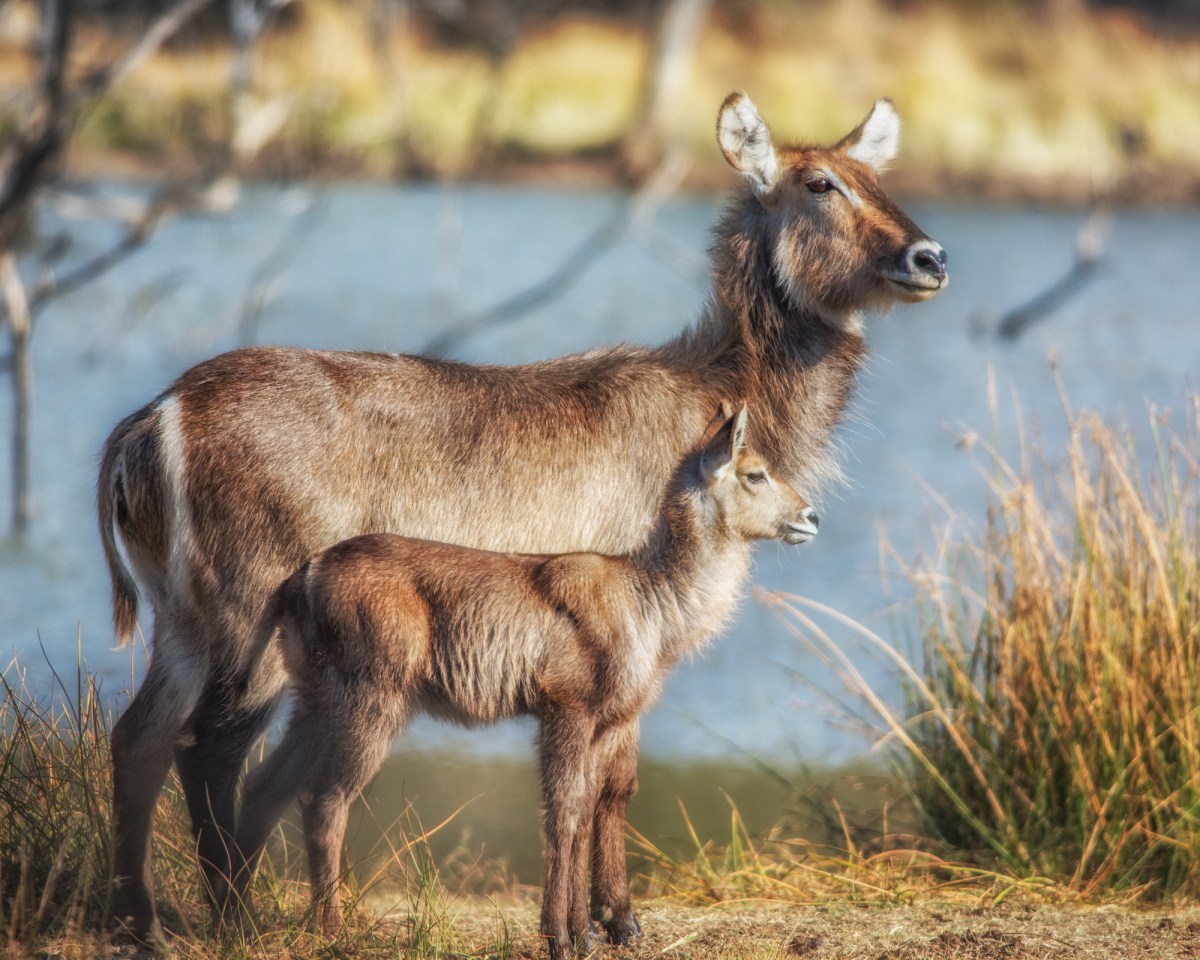
A female waterbuck and her calf.
Photo taken in Pilanesberg National Park, South Africa
Golden silk orb-weaver

The golden silk orb-weaver is one of the largest spiders in our garden. The large female weaves a strong, yellowish web and catches anything that finds itself entangled. The much smaller male doesn’t need a lot of food, but I’m sure he shares every now and then.
Photo taken in Pilanesberg National Park, South Africa
Zebra love
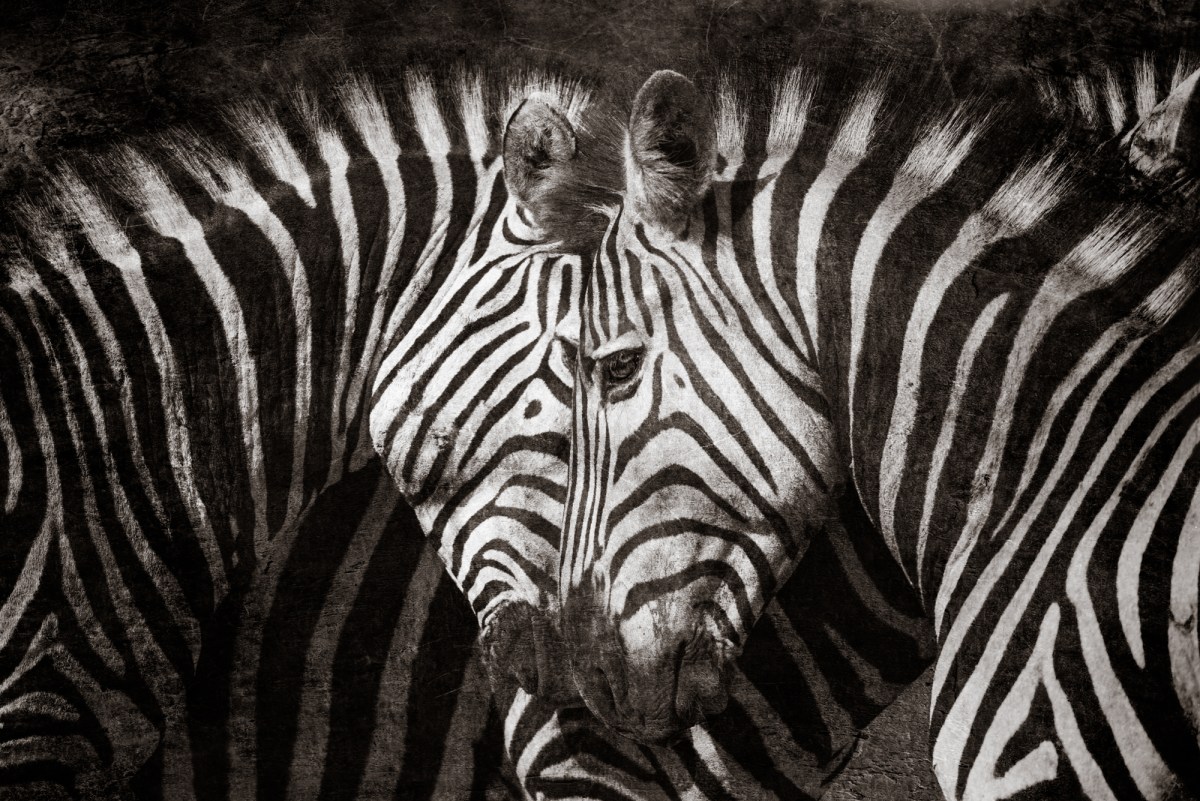
We encountered a group of zebras standing on the road. After waiting for a while, a second group arrived. In this photograph zebras from the two groups meet and greet each other. Such affection and love!
Photo taken in Pilanesberg National Park, South Africa
Painted dogs

African wild dogs, also known as painted dogs, are among Africa’s most endangered species. There are probably around 6,000 animals left in the wild. It’s therefore always a blessing to see them, like here at sunset in South Luangwa National Park, Zambia.
Photo taken in South Luangwa National Park, Zambia
The majestic impala
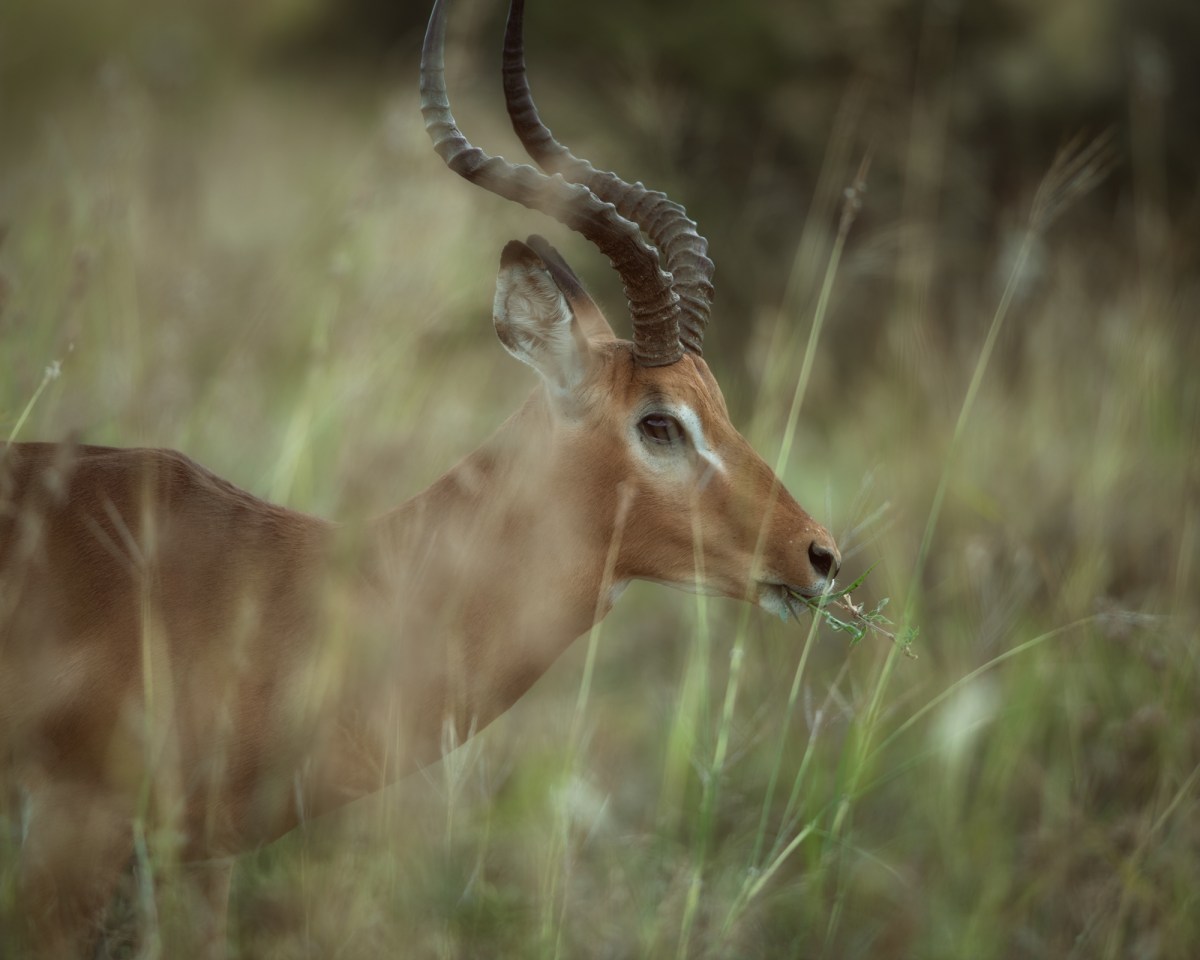
The humble impala is one of the most common animals one might encounter on a safari game drive. While first-time visitors may be reasonable impressed by the impalas’ soft eyes and the males’ horns, those who have been on safari more often generally just pass them by. Impalas are ubiquitous, they are everywhere – and like everything that is considered ‘normal’, they lose some of their allure.
I often pass the impalas by too. But I’m happy that on this occasion I didn’t. Because this is a majestic impala, with impressive horns, completely at ease while eating his grass. He looks at us but knows that here, today, he is the king of this grassy field.
Photo taken in Pilanesberg National Park, South Africa
 Awesome wonder