Dragonfly

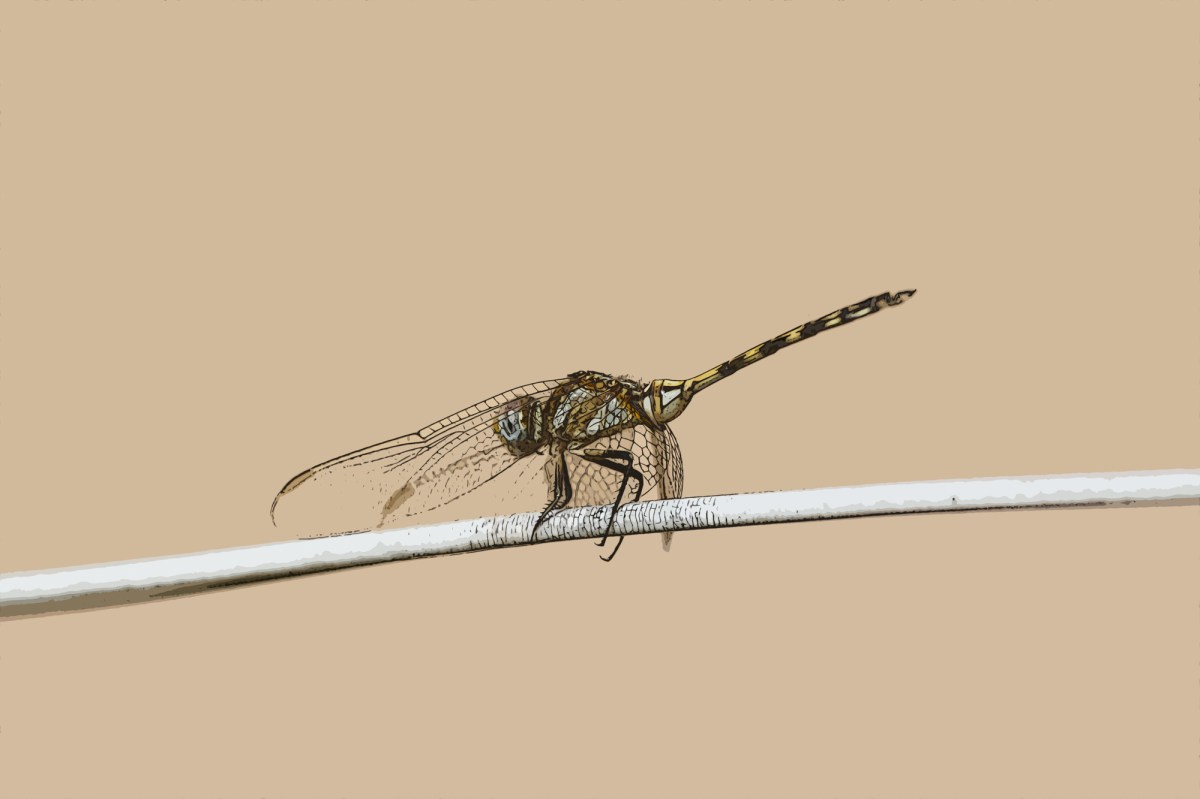
A dragonfly perching on our washing line. I think this species is known as the common tigertail, obviously because of the yellow and black markings on its rear part. It is part of the family of clubtail dragonflies.

Like the picture? You can buy prints here.

Dark-capped bulbul bath

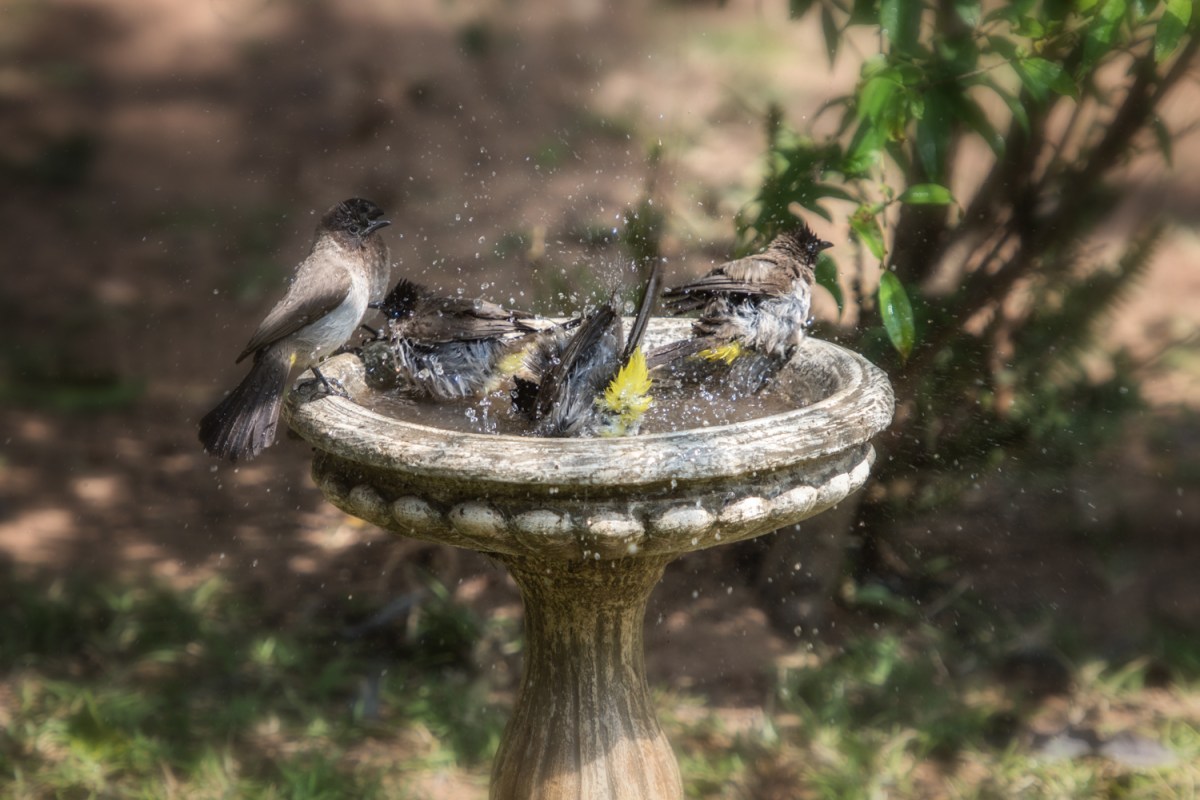
It’s the middle of the dry season, and the birds in our garden are craving for some moisture. The dark-capped bulbuls are especially happy with our birdbath. Several times a day they come and try how many of them fit in. I think we’ll have to start calling it a bulbul bath…

Shalow’s turaco

The turaco is a fruit-eating bird from southern Africa. Green turaco’s such as the one on this photograph come in different types, distinguishable by their crests. Where we live, Shalow’s turaco, with its long, even floppy, crest can be found. It’s a shy bird that is more often heard than seen. But to my delight this turaco has made our birdbath a daily stop for some water. What a joy!

Happy baby elephants

In Southern Africa, elephants regularly fall victim to poaching or to conflicts about living space with farmers and villagers. Sometimes baby elephants are left orphaned when their mother is killed – elephants drink their mother’s milk until they are three years old. In Zambia, Game Rangers International rescues, rehabilitates, and releases orphaned elephants back into the wild. The youngest elephants are cared for at the elephant nursery in Lilayi, close to Lusaka. There they receive bottles of milk every three hours and are taken into the bush to learn to vend for themselves. Everyday between 11.30 and 13.00 hrs visitors can watch how the babies are fed – a lovely sight, as you can see in this photograph. When they are a little older, the elephants are taken to Kafue National Park to join other older orphaned elephants, to work towards reintegration with elephants in the wild.

Winter is coming

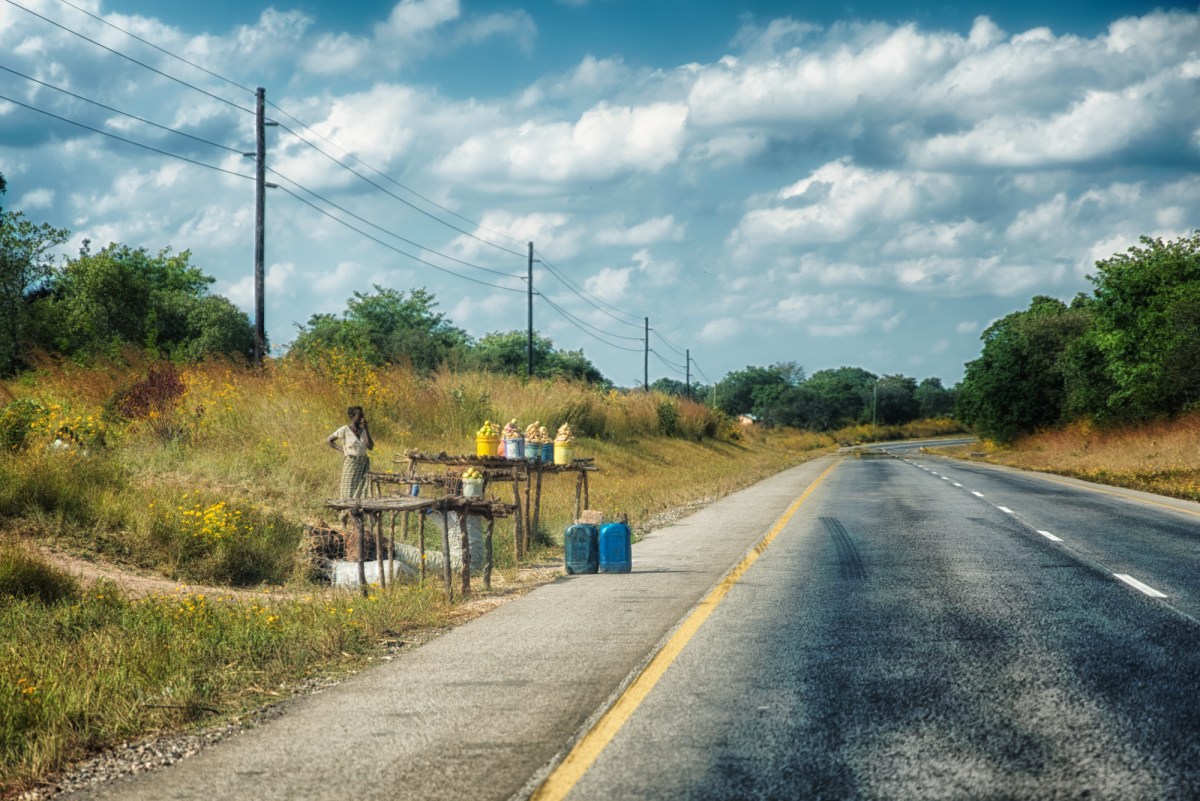
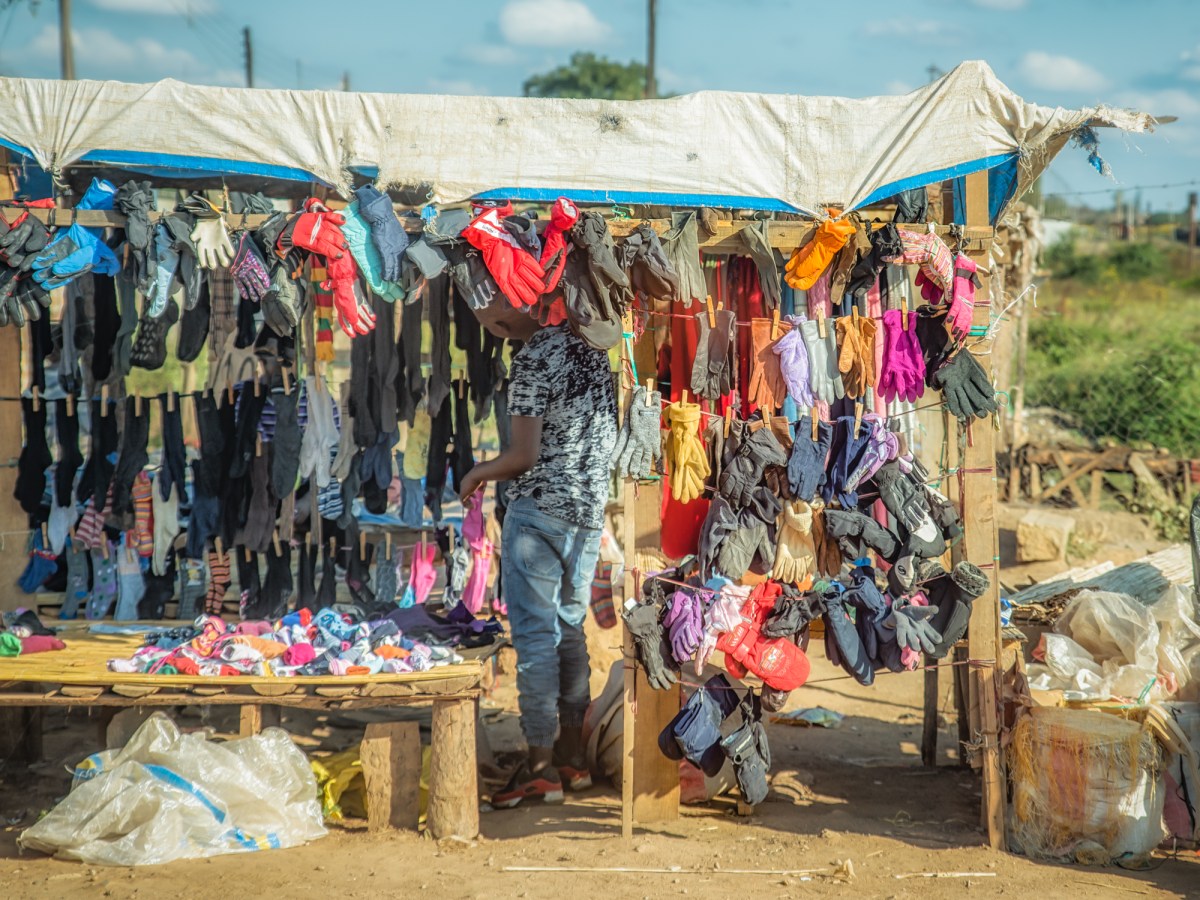
The sun shines brightly, but in the mornings and evenings it gets chilly. No wonder that Zambians are stocking up on their winter’s clothes. In this roadside stall the main item for sale are gloves. Who would have thought that there is a thriving market for gloves in Zambia?

An owl’s tale

Last weekend, a colleague found an owl hanging in a tree. It was strung up by its wings. Later in the day it was gone. Yesterday, we discovered this barn owl sitting in a tree. It was obviously weak and its wing was hanging by its side. Fortunately we got in touch with a someone with some experience in rescuing birds. He was able to catch it and take it to his home to care for it. After drinking and eating, the owl looks much better. Its wing is still hurt, but doesn’t seem to be broken. We hope that with rest and care the owl can be released back into the wild!

I’m happy that we were able to do something for this animal. But a concern remains: Why would someone hang a living owl up in a tree? That just seems very cruel. This situation reminded me of a quote by Albert Schweitzer that a teacher in religious education once taught me: “I am life which wants to live amidst of lives that want to live.” Let’s treat both people and living creatures with reverence!