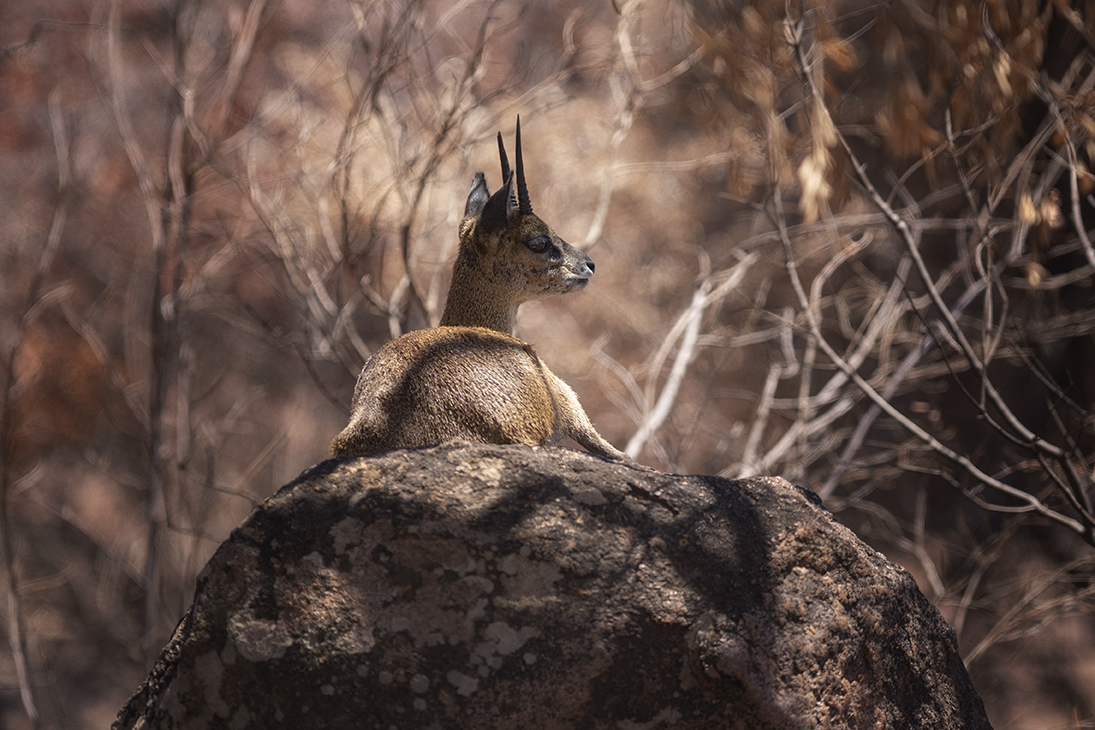
One of my favorite animals since we first saw them in a zoo in the Netherlands. Klipspringer literally means ‘rock jumper’, and it is one of the things they do best. You can find them on rocky outcrops, although they are hard to spot because their coat blends in so well with the environment. Klipspringers are largely monogamous, and partners generally stay within five meters of each other. Females are generally a bit larger than the males, but only the males have short and spiky horns. Such a joy to find these in the wild!
Tag: animal
Black Rhinoceros
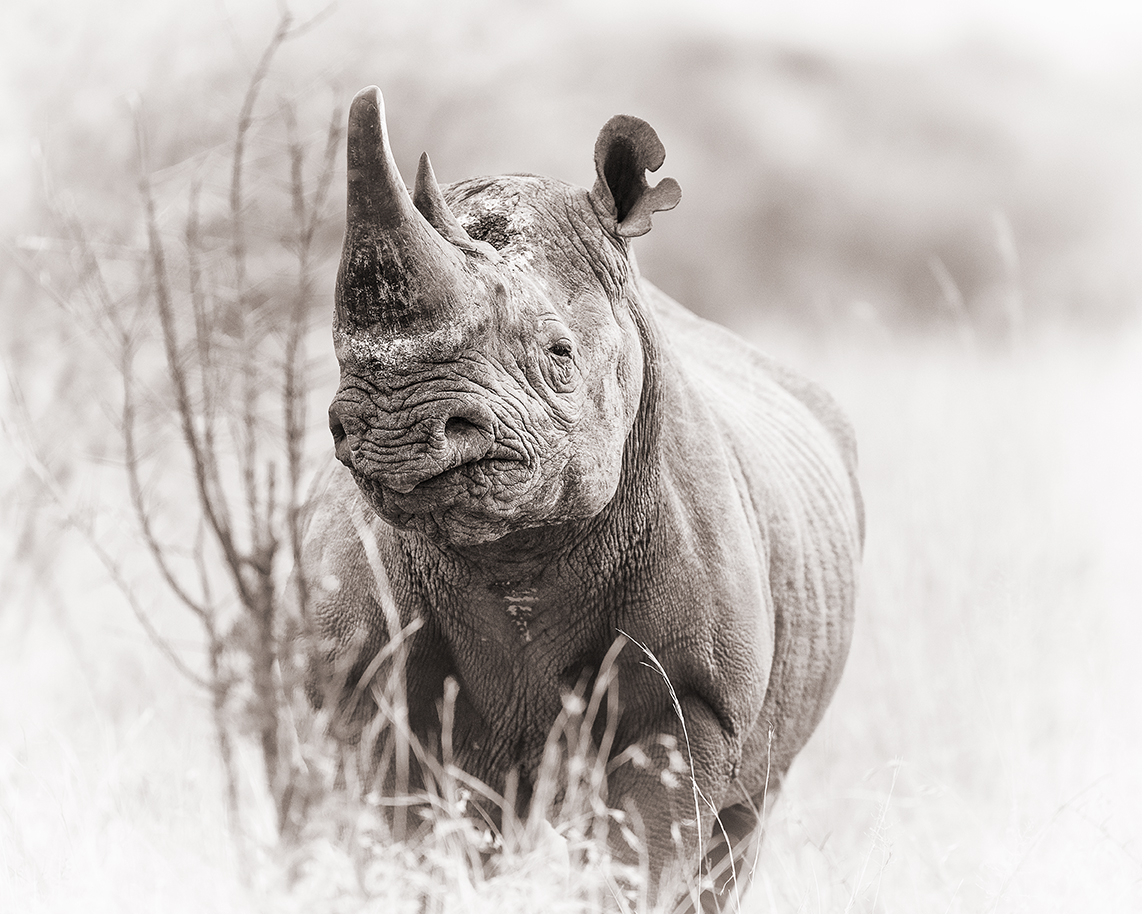
My first black rhino! The black rhino is actually not black in color, but brown or grey like its cousin the white rhino. One of the main differences between the black and the white rhino is the shape of its lips. The mouth of the black rhino has a slight V-shape, unlike the white rhino which has a straight mouth. This is why the species are also known as hook-lipped rhinoceros for the black, and square-lipped rhinoceros for the white.
Protective elephants
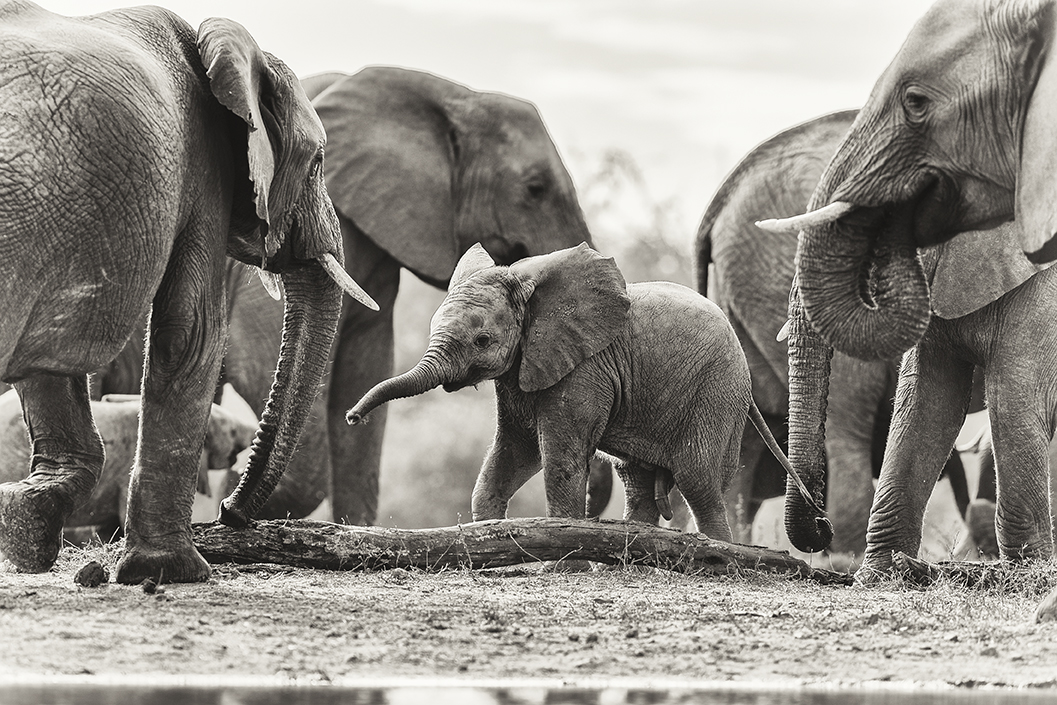
Elephants are careful to protect their young – as you can see here the adults form a protective circle around the baby!
Portrait of a giraffe
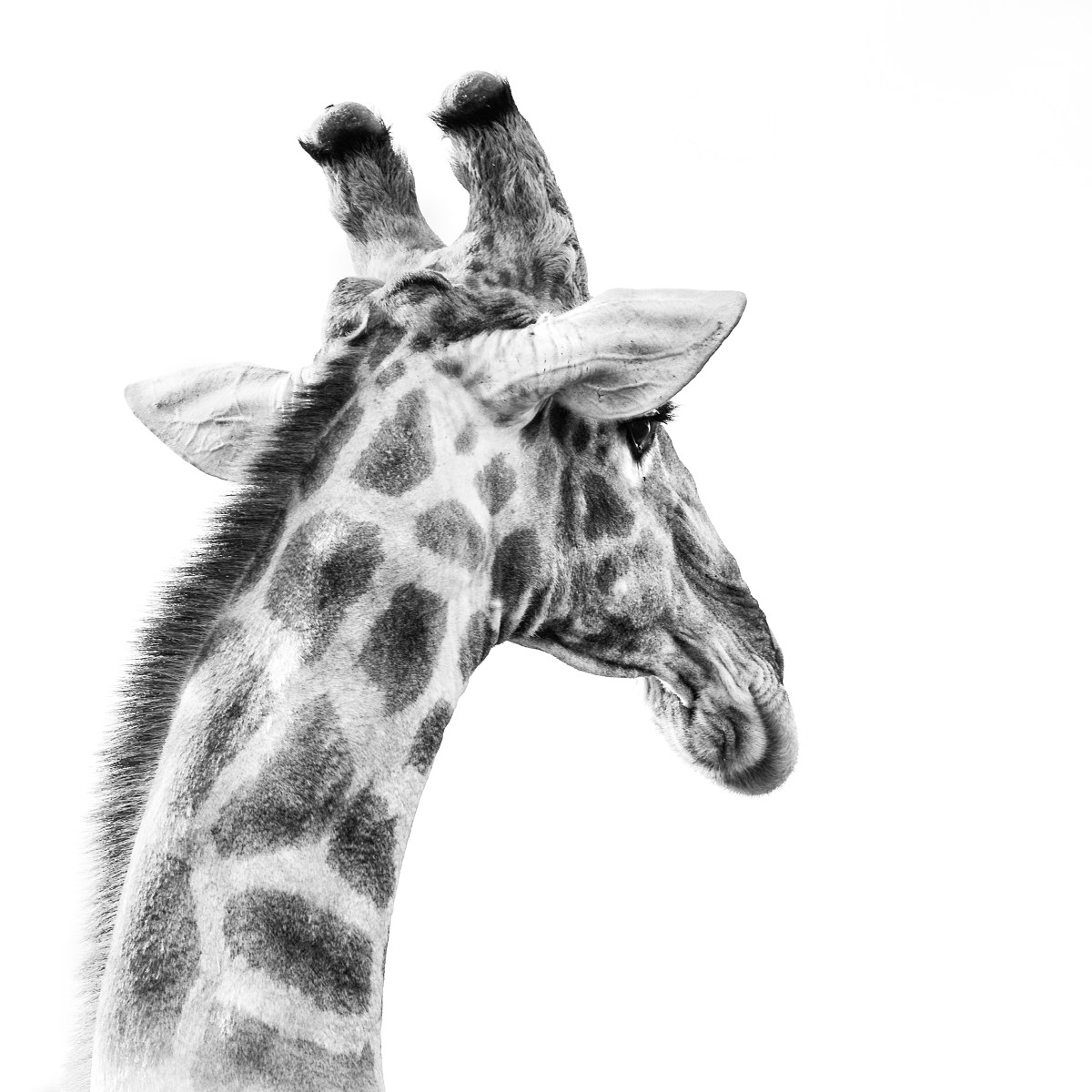
Who says portraits should be of people? This majestic male giraffe obviously has personality!
Photo taken in Pilanesberg National Park, South Africa.
After a bath
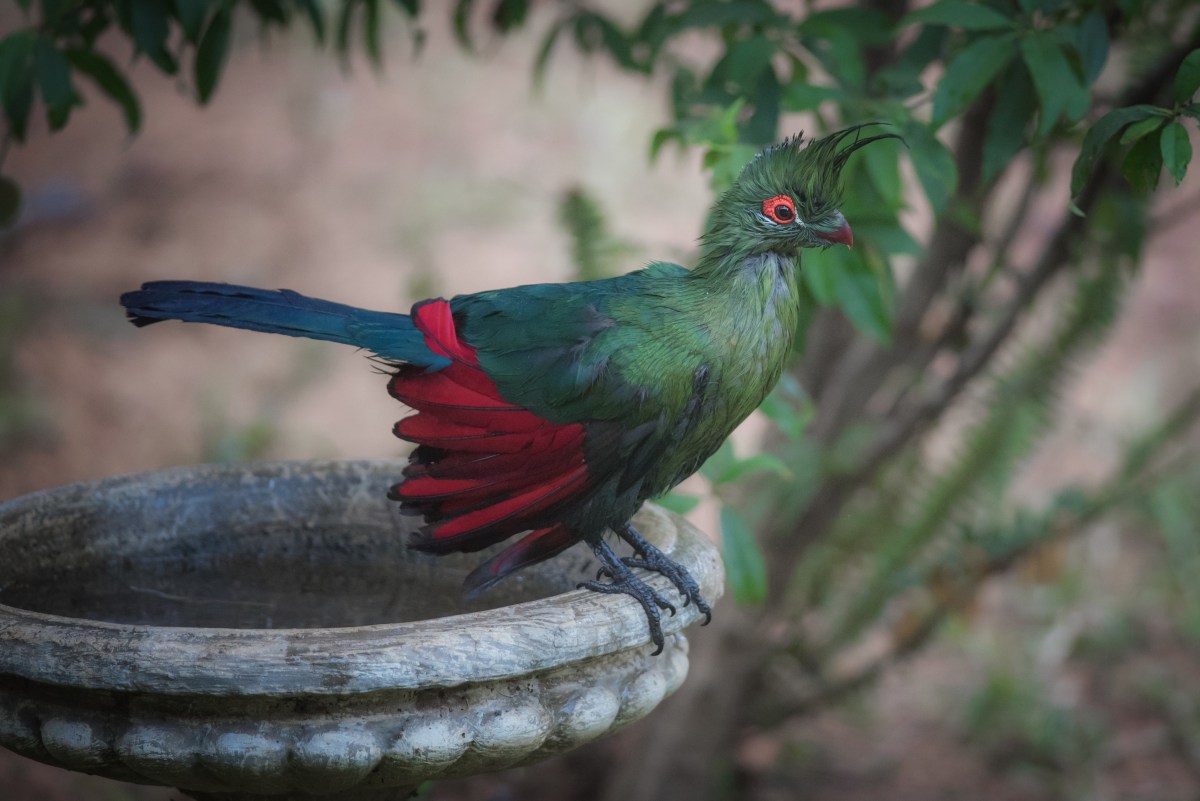
The beautiful Shalow’s Turaco looking a bit bedraggled after a bath on a hot day!
Photo taken in our garden in Lusaka, Zambia
The hunt

A leopard hunting in the night, hoping to catch some tasty impala or puku.
Photo taken in South Luangwa National Park, Zambia
Puku
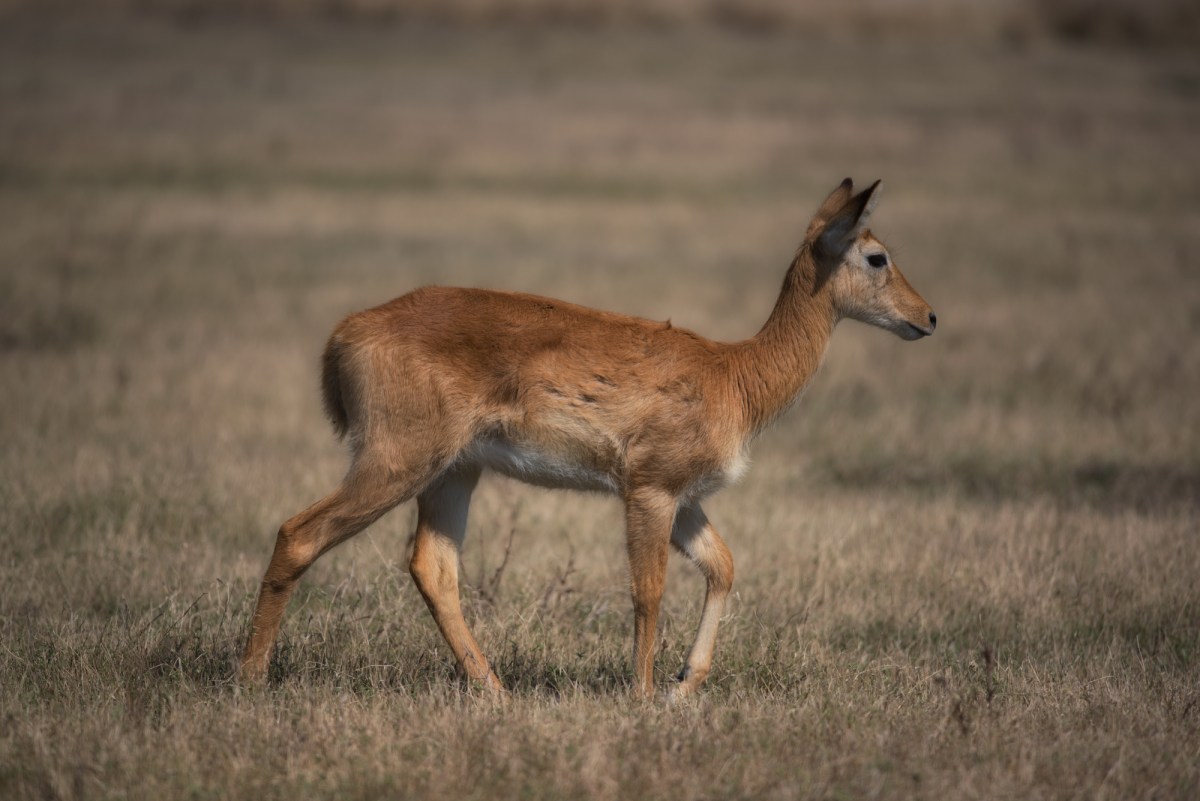
The puku is a relatively common antelope in Zambia. It can be distinguished from the impala by its more rough coat. Pukus like the marshy grasslands in the Kafue and Luangwa valley. The southern most region where pukus occur is Chobe National Park in Botswana.
Photo taken in South Luangwa National Park, Zambia
Out of reach…
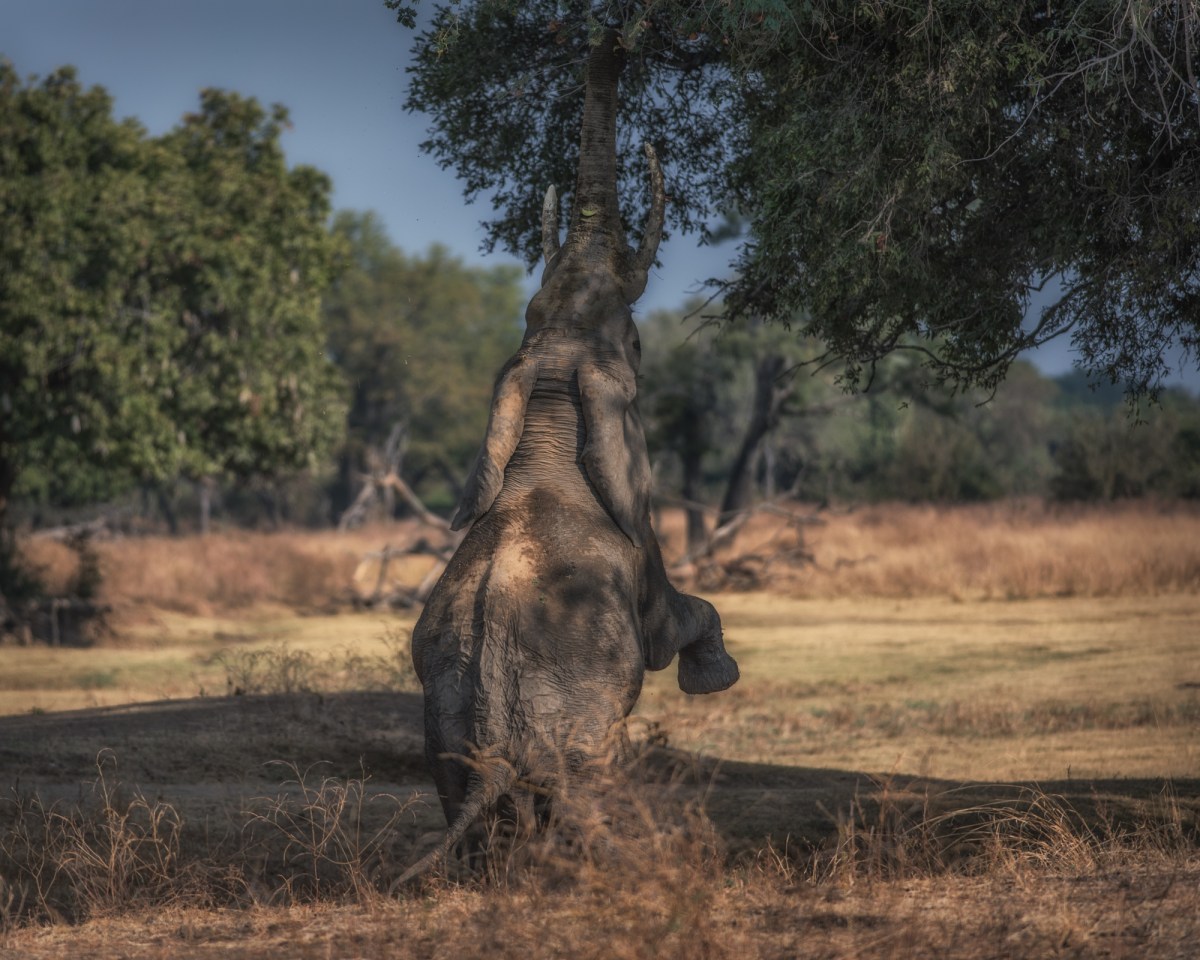
Sometimes, even big is not big enough…
Photo taken in South Luangwa National Park, Zambia.
The early bird
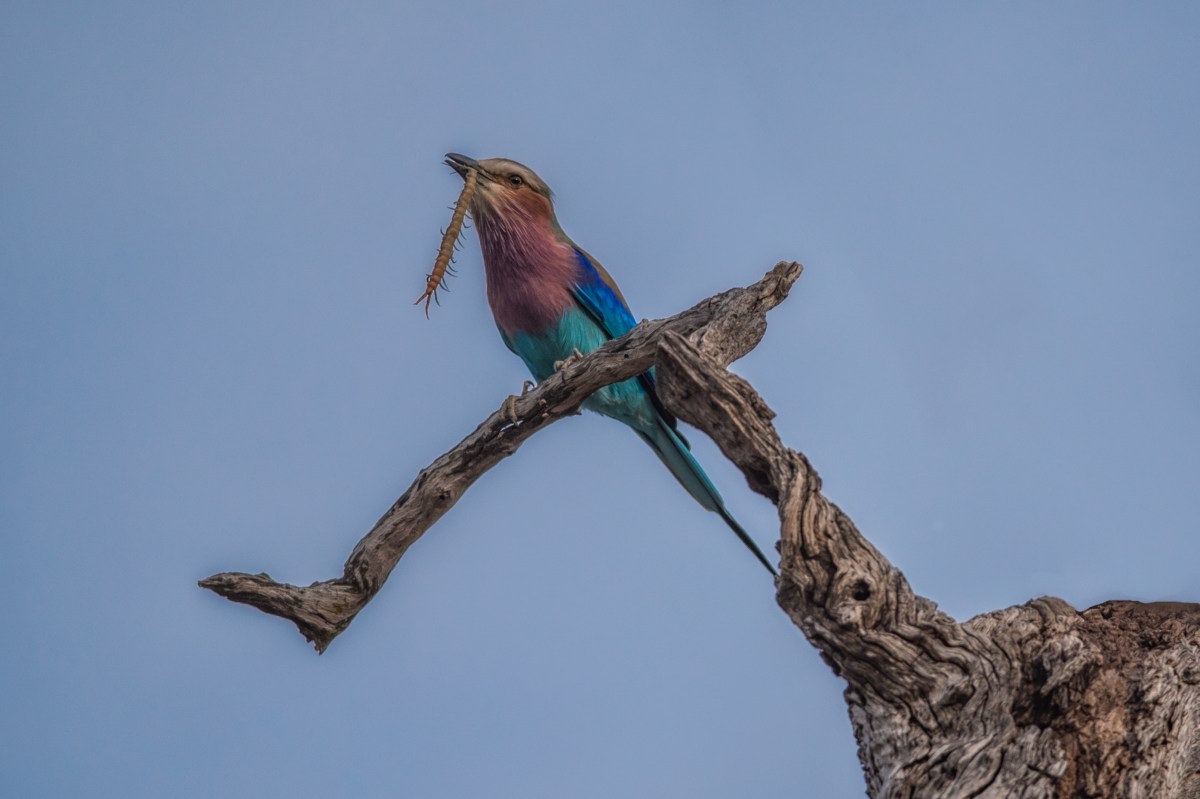
According to the saying, ‘the early bird catches the worm.’ It was already late in the afternoon when I took this picture of a lilac breasted roller with its catch. Maybe we should add: the later bird catches the centipede!
Photo taken in South Luangwa National Park, Zambia
 Awesome wonder