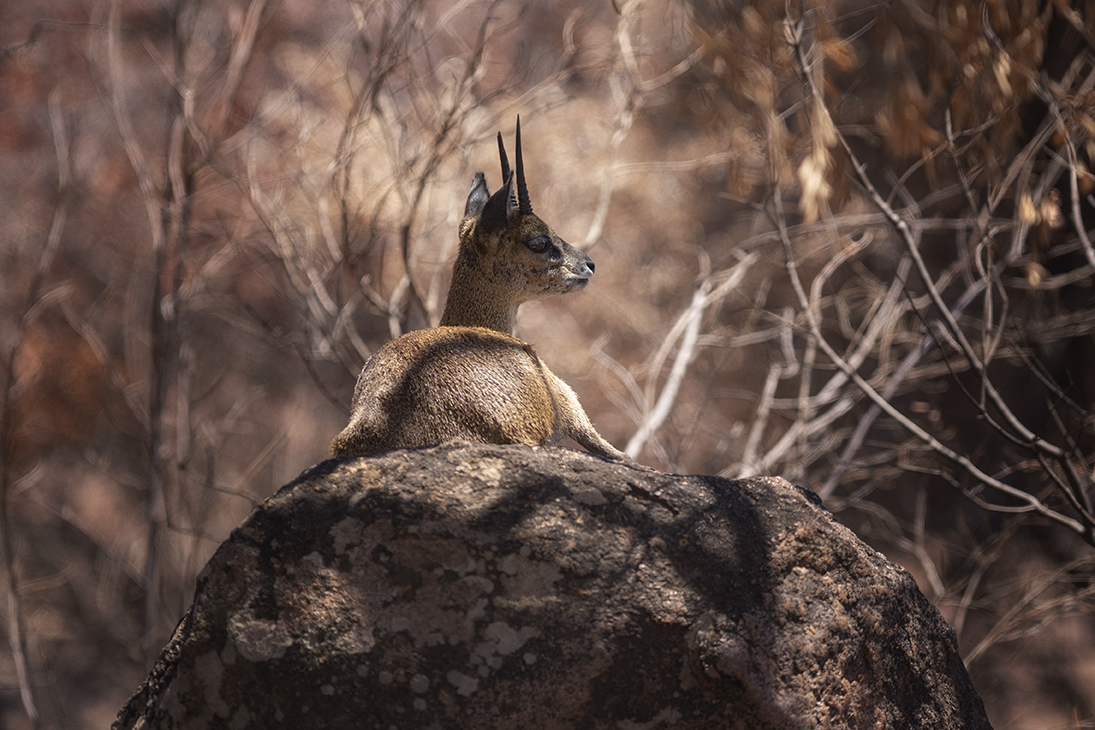
One of my favorite animals since we first saw them in a zoo in the Netherlands. Klipspringer literally means ‘rock jumper’, and it is one of the things they do best. You can find them on rocky outcrops, although they are hard to spot because their coat blends in so well with the environment. Klipspringers are largely monogamous, and partners generally stay within five meters of each other. Females are generally a bit larger than the males, but only the males have short and spiky horns. Such a joy to find these in the wild!
Tag: wildlife
Scrub hare grooming
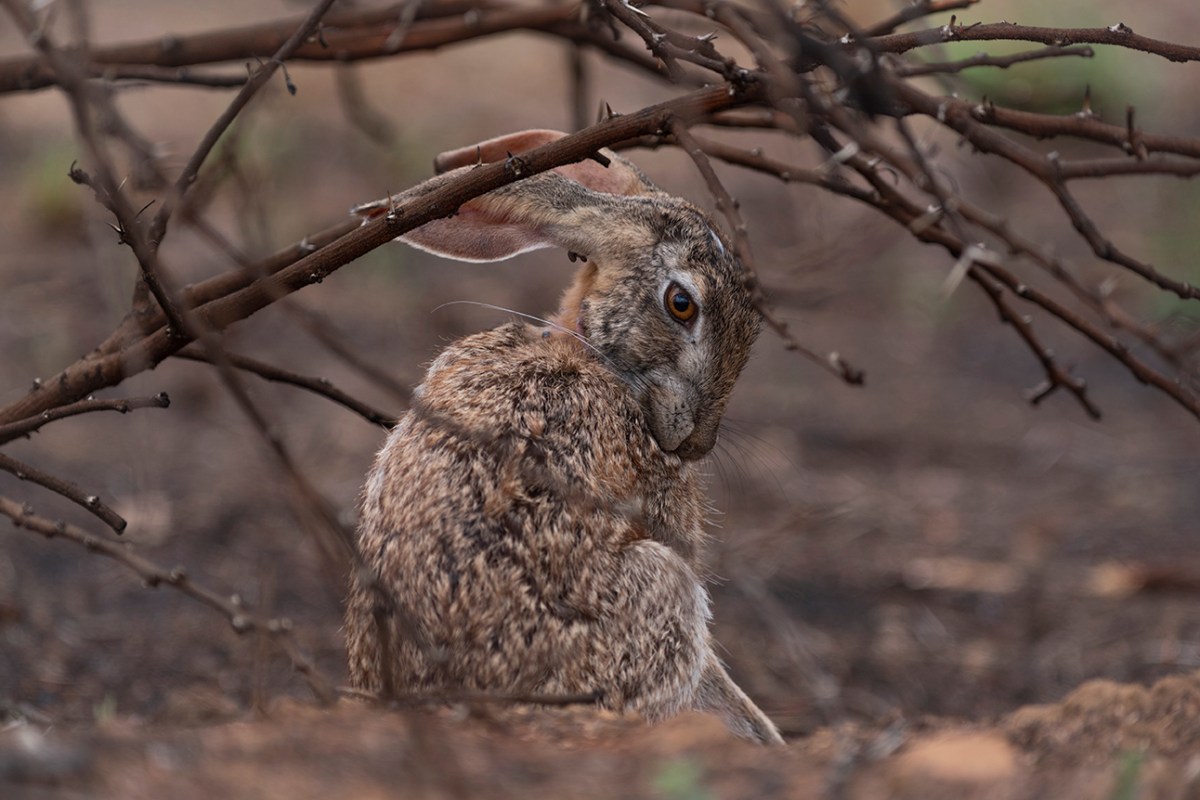
An uncommon sighting of a scrub hare, grooming itself, during daytime. Usually, a hare will burrow a small hollow in the ground in which its body fits snugly. Lying flat, even predators cannot detect them because their color blends with the surroundings.
Protective elephants
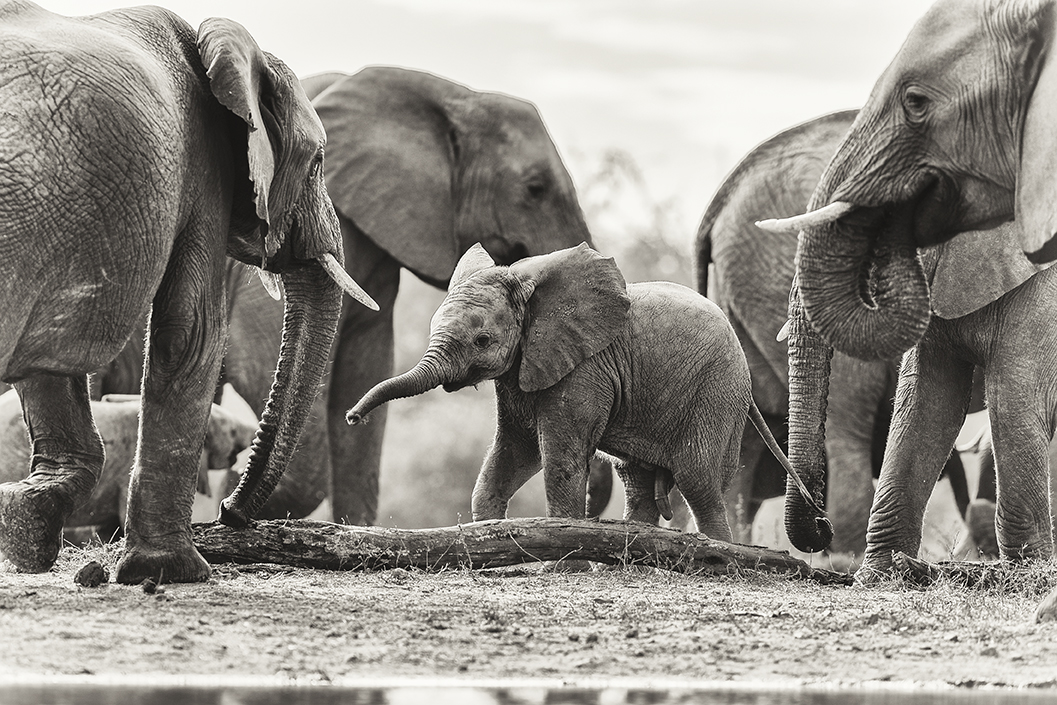
Elephants are careful to protect their young – as you can see here the adults form a protective circle around the baby!
October

Outside temperature is over 35 degrees Celsius – another hot and thirsty day in Lusaka!
Photo of Bronze mannikins taken in my garden.
Battered, not broken
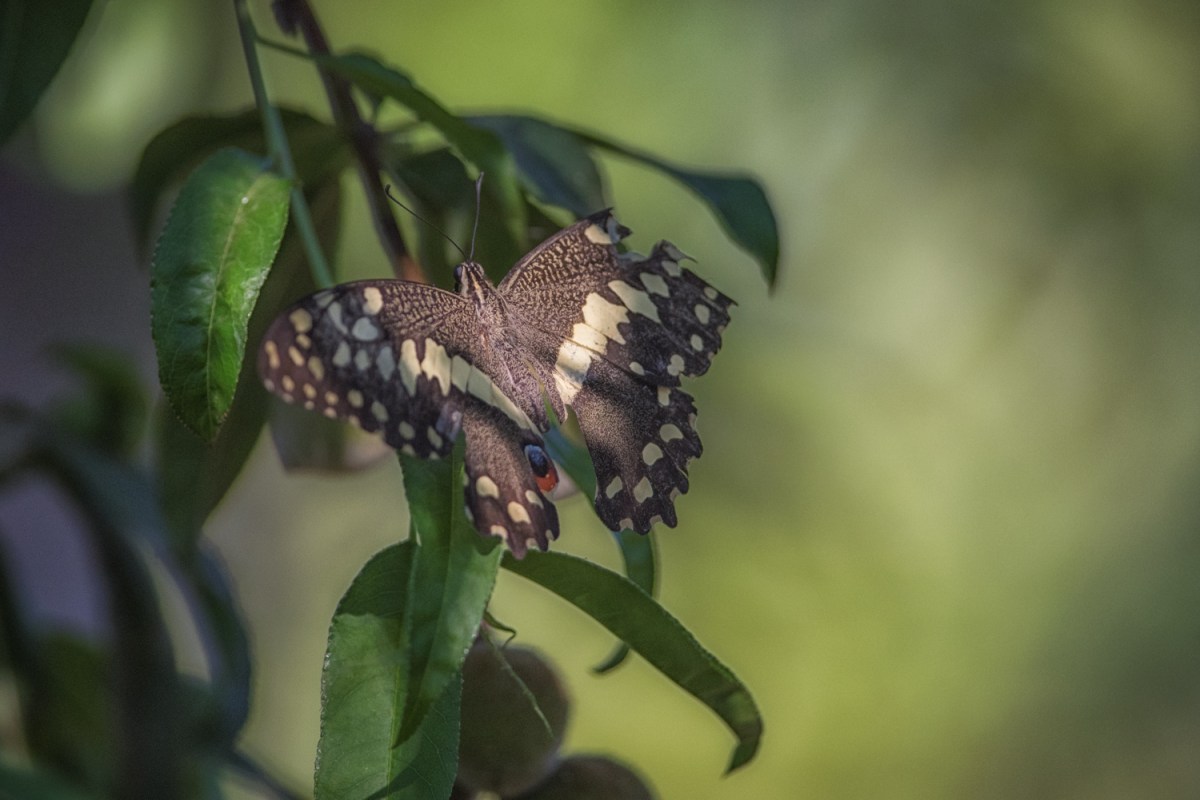
Inspiration: This butterfly is battered – but she is not broken and still flying!
Photo taken of a citrus swallowtail in my garden in Lusaka, Zambia
After a bath
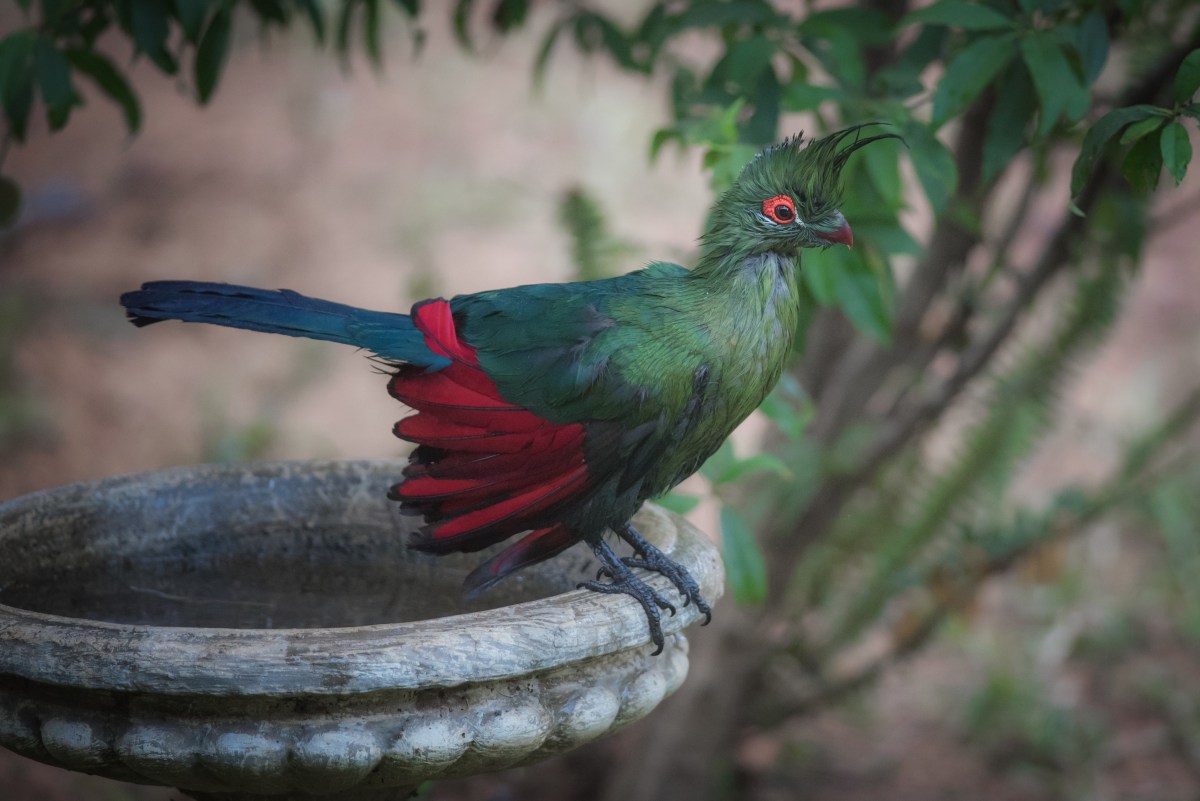
The beautiful Shalow’s Turaco looking a bit bedraggled after a bath on a hot day!
Photo taken in our garden in Lusaka, Zambia
Southern Ground Hornbill
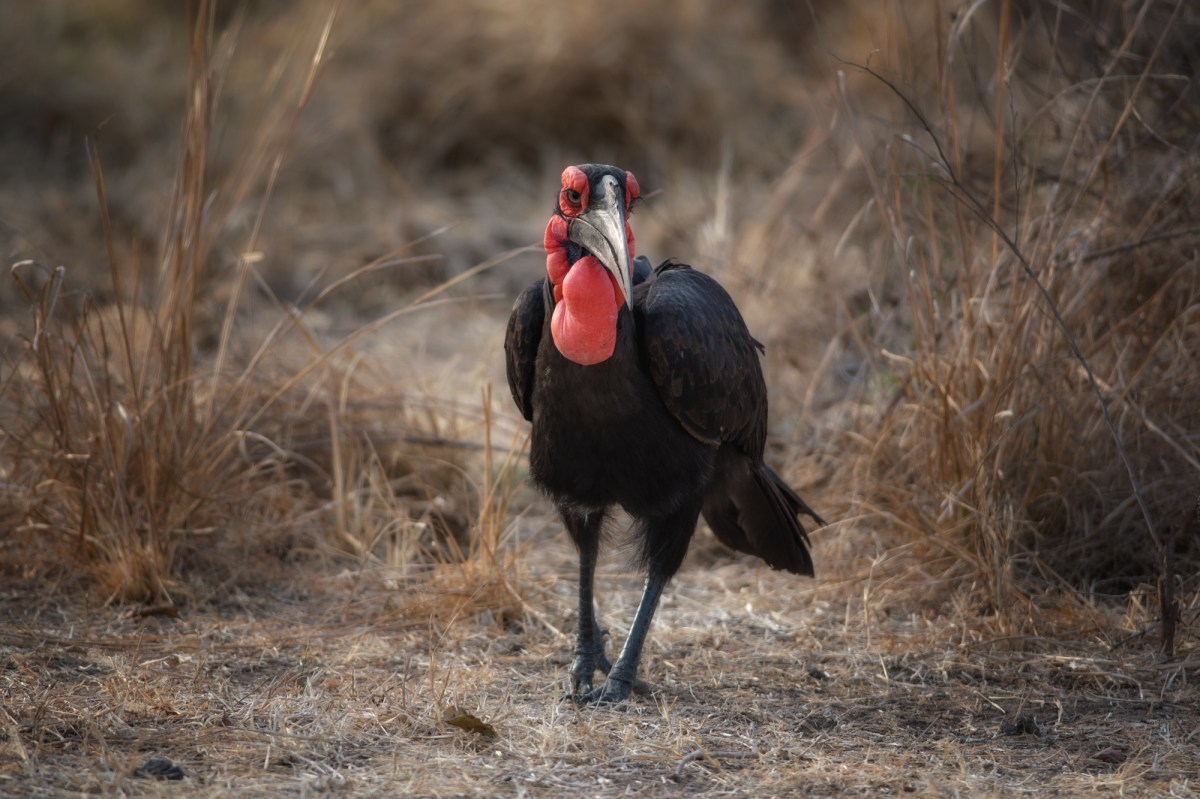
Southern ground hornbills live together in family groups consisting of males and females, adults and youngsters. They prefer walking around to flying, and while doing so they catch small animals like snakes, lizards, insects, and small mammals. The whole group takes care of the young ones, who are only able to live independently after two years. This long period means that southern ground hornbills can only breed every three years, making them vulnerable to extinction.
Photo taken in South Luangwa National Park, Zambia
The hunt

A leopard hunting in the night, hoping to catch some tasty impala or puku.
Photo taken in South Luangwa National Park, Zambia
Puku
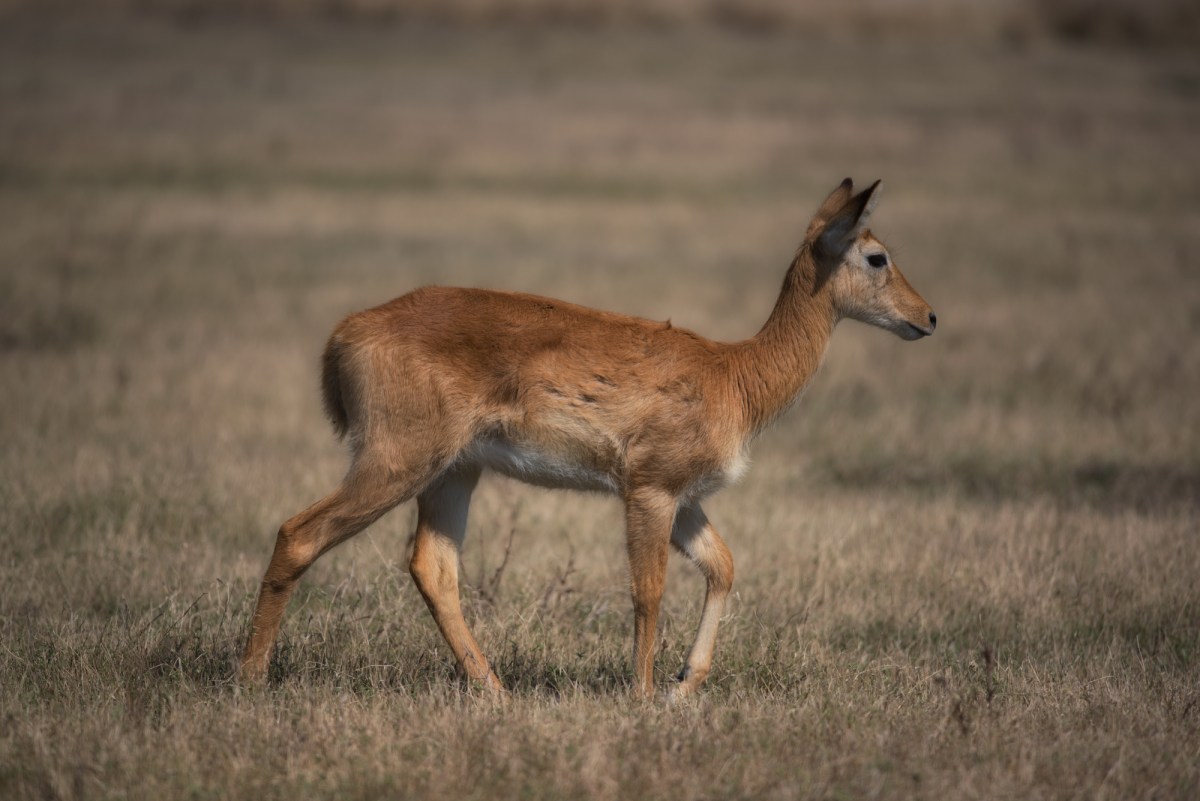
The puku is a relatively common antelope in Zambia. It can be distinguished from the impala by its more rough coat. Pukus like the marshy grasslands in the Kafue and Luangwa valley. The southern most region where pukus occur is Chobe National Park in Botswana.
Photo taken in South Luangwa National Park, Zambia
 Awesome wonder