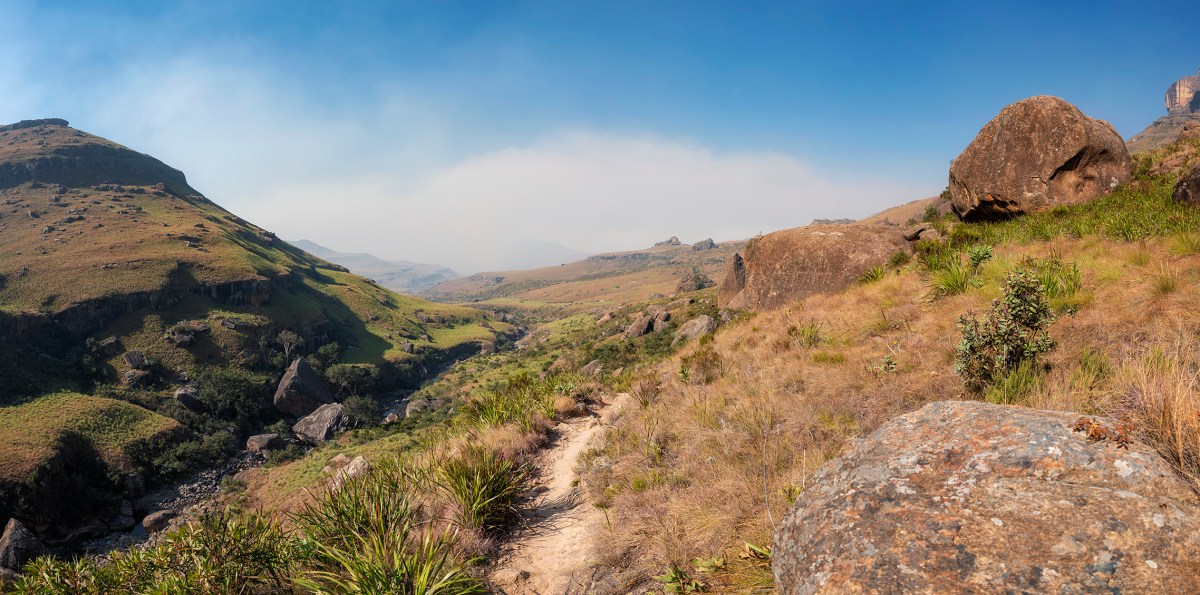
A beautiful hike in the Garden Castle section of the Drakensberg Mountains. The hike goes up to a cave called Pillar Cave. Although we didn’t make it all the way to the cave (still struggling with my back…) the scenery was amazing. The smoke in the background is from controlled burning of the grasslands to create firebreaks, protecting the World Heritage Site of the Drakensberg.
Tag: nature
Waiting

A lioness on a stone wall in the National Zoological Garden in Pretoria, waiting for the sun to rise above the horizon. Or maybe for the weekend?
Melancholic leopard
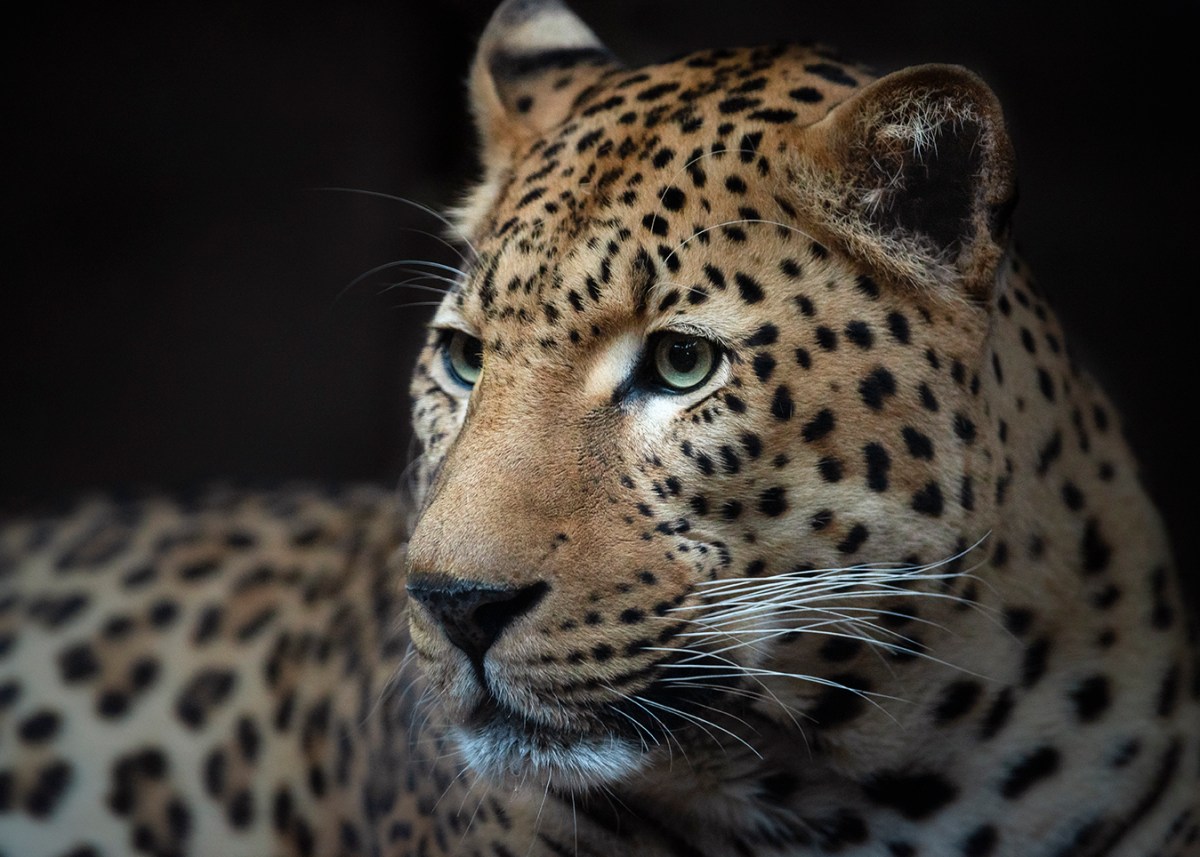
My practice leopard in the National Zoological Garden in Pretoria. Looking a bit melancholy here!
Zebra family portrait
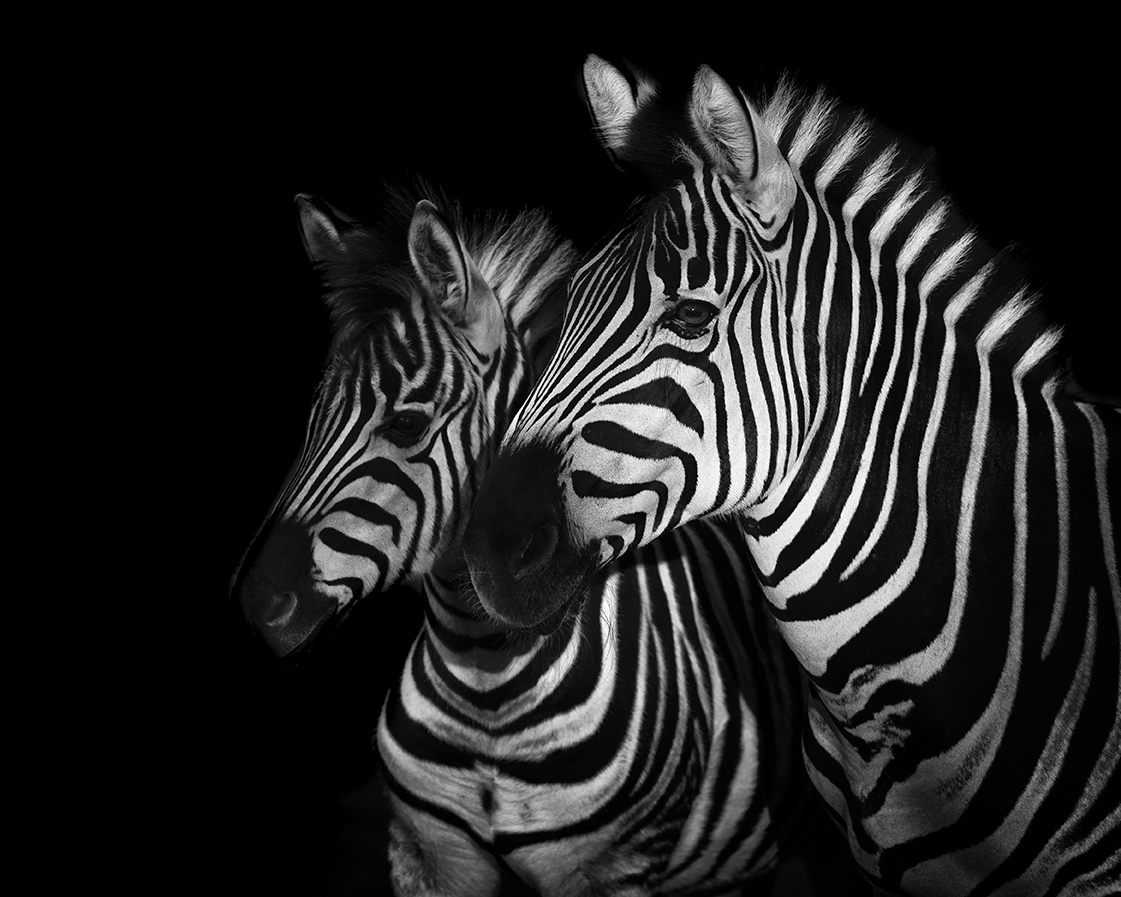
A mother zebra and her young, in the early morning light against a black background. What a nice family portrait! (If I may say so myself…)
A mighty bull elephant
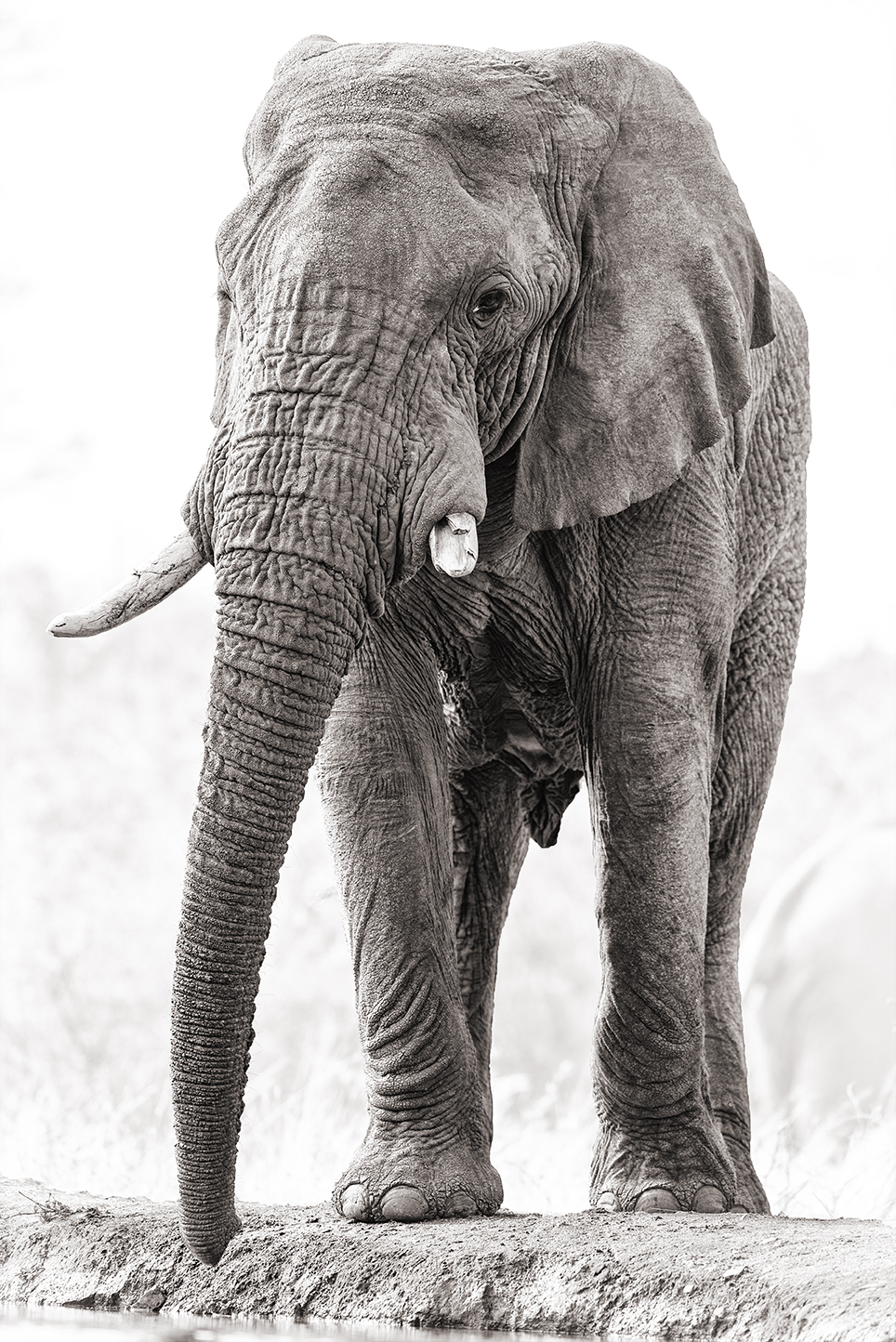
A huge bull elephant comes for a drink at a waterhole in Madikwe Game Reserve. Male elephants are generally solitary creatures, although friendships between groups of males have also been documented.
For one month of the year, bull elephants go into the condition of musth. During this time the bull produces 40 to 60 times more testosterone than usual. It makes him aggressive and unpredictable, and the best advice for other elephants and humans alike is to give the bull lots of space.
Musth is similar to what happens to Popeye when he downs a can op spinach. In musth, a male that is way down the ladder can challenge a dominant bull and win. When a bull elephant has broken tusks like this one, it may well be the result of a fight with another elephant!
Leopard stare

From three months old, leopard cubs start to accompany their mother on the hunt. This one, though, was left to fend for itself during the day while his mother was… what? Hunting? Going to work? Shopping? I don’t know. At the end of the day he grew restless and tried his luck on some guinea fowls, who laughed at his attempts to catch them. There are a lot of skills a young leopard has to learn. They often do not leave their mothers until they are a year or a year and a half old. Some may even stay for longer than that.
Elephant in a hurry

A beautiful elephant in a hurry on its way to the waterhole. Such an impressive sight! My mother used to call me an elephant when I stamped up the stairs in our home, but in reality elephants really don’t make a lot of noise…
The lovely courtship of the flying banana
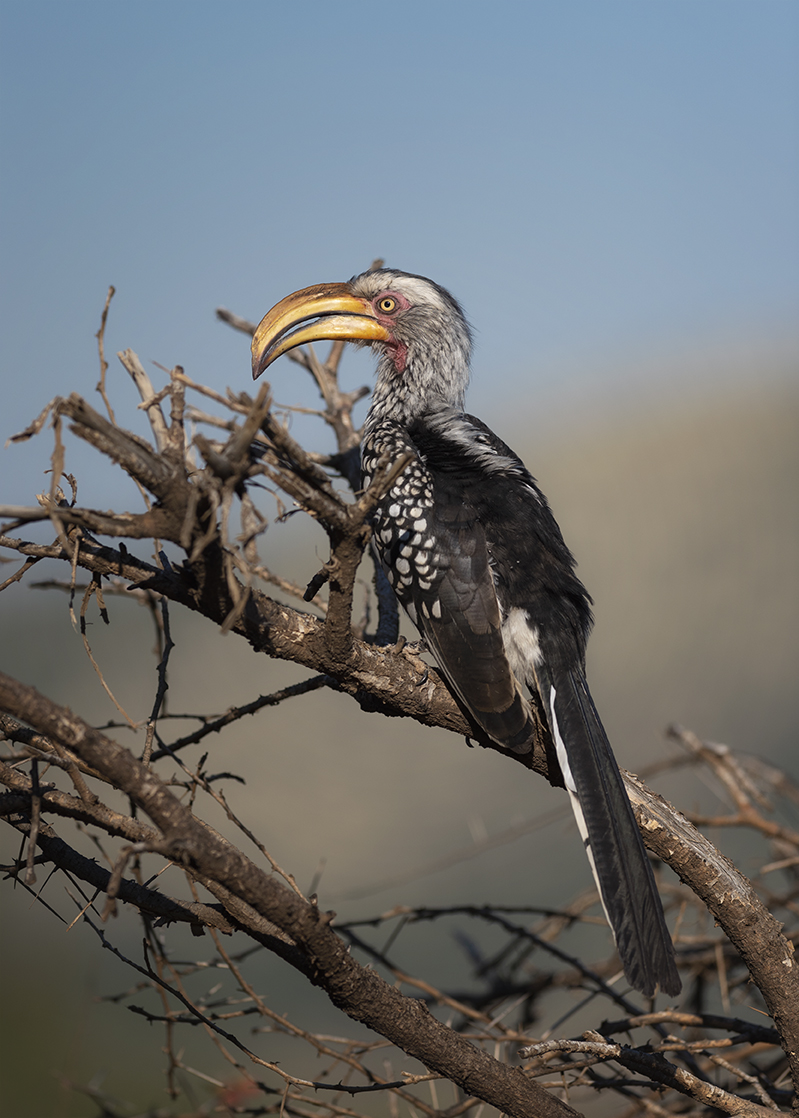
With its strikingly yellow bill, the Southern yellow-billed hornbill is sometimes called the ‘flying banana’. Yellow-billed hornbills are solitairy creatures until the mating time arrives. At that time, the male will do anything for his love, such as bringing her small morsels of food and feeding her from his mouth, and bowing for her with his wings spread. The female then nests in a natural hole in a tree, closing the opening off with her faeces. She leaves just enough opening so that the male can feed her while she incubates the eggs. During this time she loses her feathers. If the male were to abandon her at this time, the female and the eggs would be doomed, as there is no way for them to acquire food. After 25 days the first egg hatches, and when the first chick is about three weeks old, the female leaves the nest in a new suit of feathers. From this moment both parents feed the chicks for the next six weeks. What a lovely family!
Young cheetah

A young cheetah looks back over its shoulder. Cheetahs are weaned at the age of six months, but usually stay with their mother for some time after that. After 17 to 20 months, the mother can have another litter, so that often marks the end of the time of the youngster with the mother. Although young cheetahs from as young as six months go after hares or young antilopes, they often are only able to bring down a kill on their own when they’re 15 months or older. The odds for cheetah cubs to survive into adulthood are not so good. Lions are major predators of juveniles. This particular young cheetah was left to fend for itself for just one day when it was killed by predators…
 Awesome wonder